
Wireless Perimeter Security - An Invisible Border Line, Explained on the PRO-WALL System
PRO-WALL creates rapidly deployable wireless perimeters with distributed sensors, self-healing mesh networking and photo-verified alarms for borders, critical sites and temporary operations.
Classic perimeter security assumed infrastructure: trenches for cables, power lines, construction crews and weeks of work before a single sensor could go live. A newer class of systems drops that assumption and treats the perimeter as a software-defined object - battery sensors are placed along a line, organize themselves into a radio mesh and begin reporting movement within minutes. PRO-WALL, from ProDefence's border control portfolio, is built to exactly this pattern: fully wireless, rapidly deployable and aimed at unprepared terrain.
This overview explains the anatomy of such systems - sensors, mesh networking, control software and photo verification - and sets the vendor's published description next to the operational questions that decide whether an invisible fence works outside the brochure.
From fence wires to distributed wireless perimeters
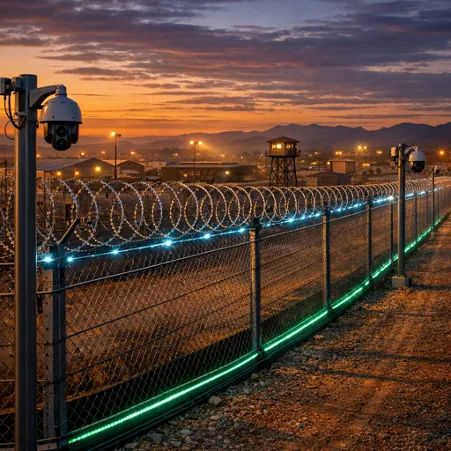
Perimeter detection began as wiring: taut-wire fences, buried leaky coaxial cables, microwave posts chained to a control room. These systems work, but they bind security to construction - every kilometer is an engineering project, and a temporary object, a field camp or a remote border stretch gets whatever coverage time allows. The wireless approach inverts the logic: nodes are autonomous radio devices, the network is established over the air, and the line exists only as a configuration on an operator's screen.
The shift became practical when low-power radio modules, better batteries and mesh protocols matured in the 2010s, first in expeditionary military use and then in civilian border and site protection. The vendor's description of PRO-WALL reads as a checklist of that paradigm: masked, unobtrusive boundaries; no site preparation or fixed infrastructure; a distributed architecture that keeps working when individual elements fail; and a lightweight configuration for temporary or covert use. Each of those claims corresponds to a design property worth unpacking.
How the system is built: sensors, mesh, control
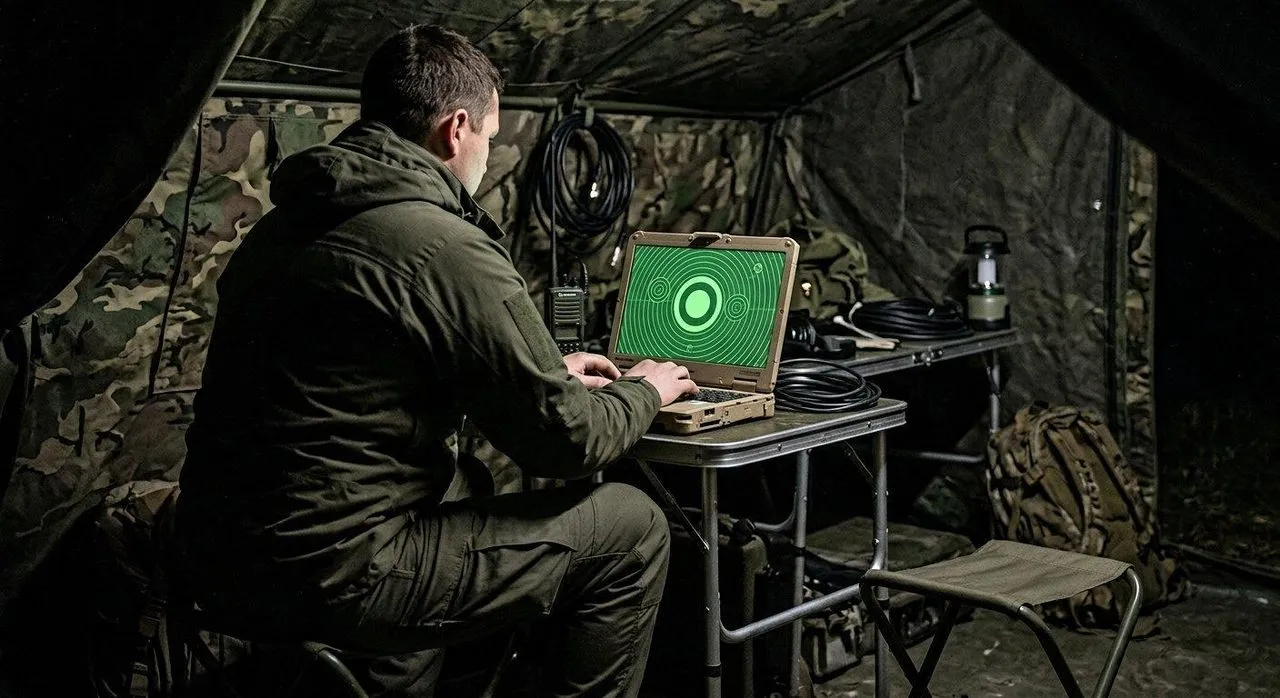
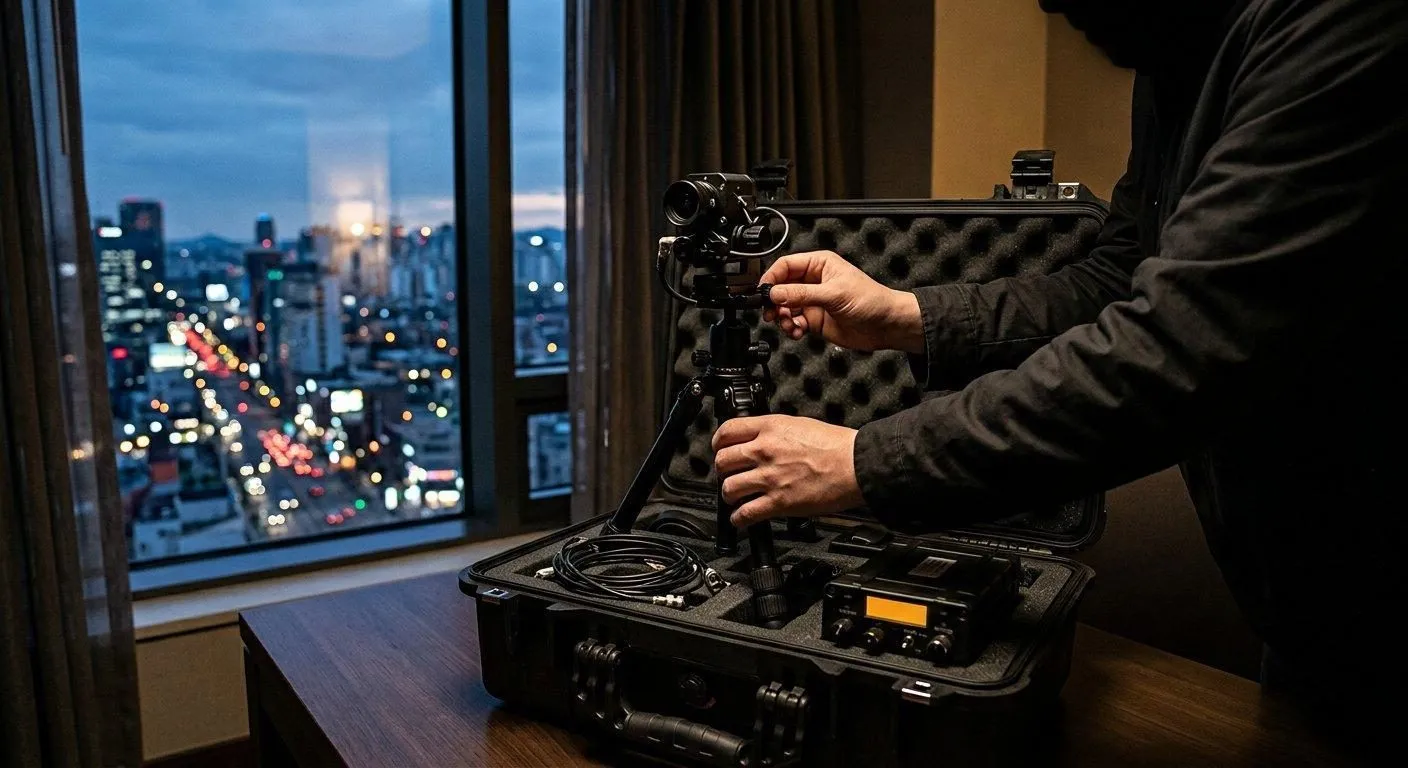
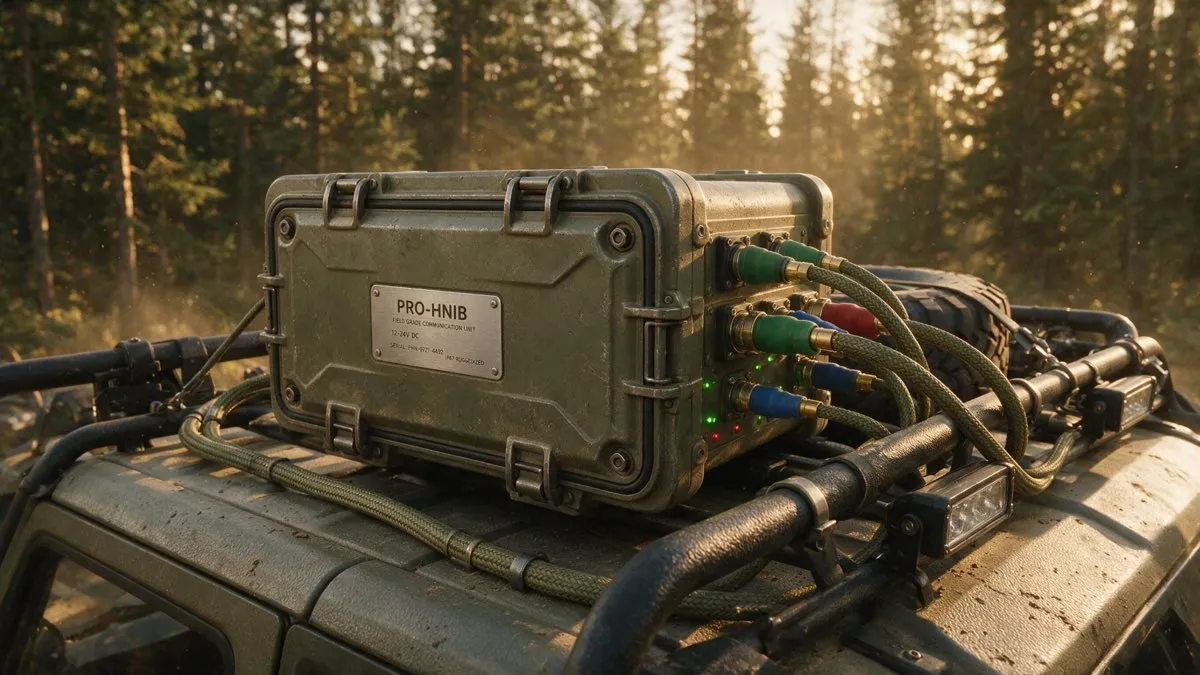
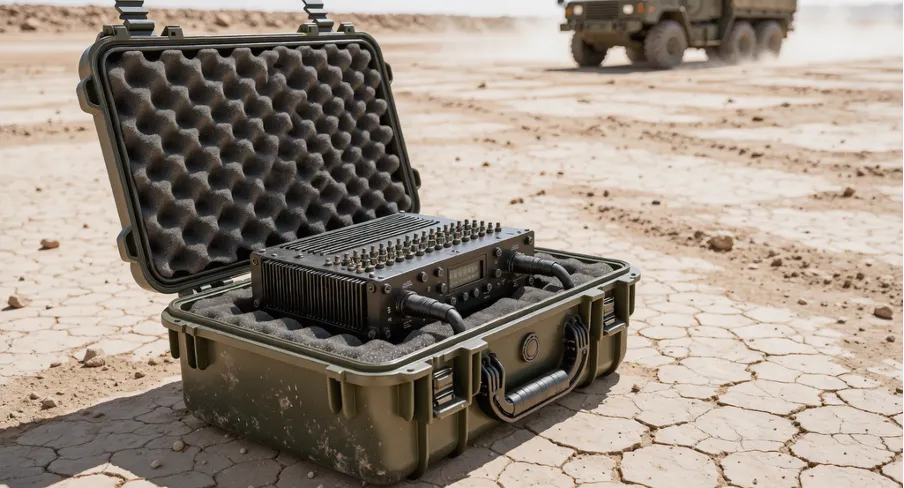
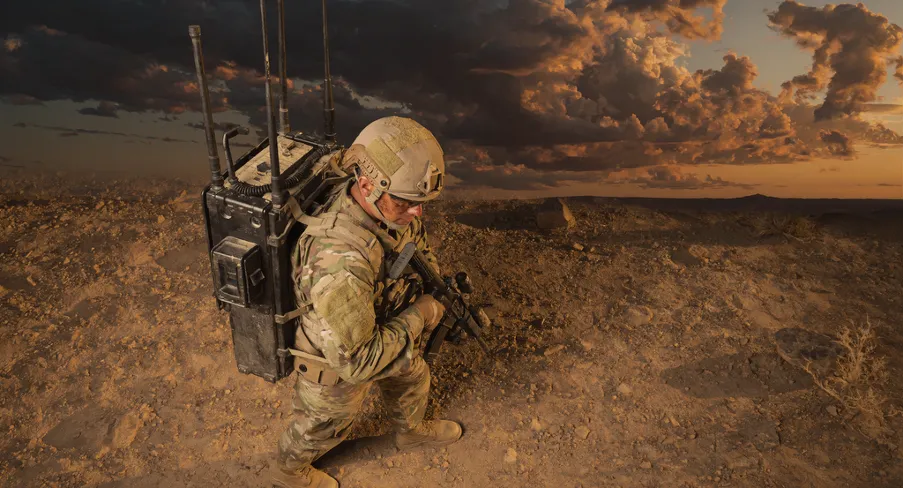
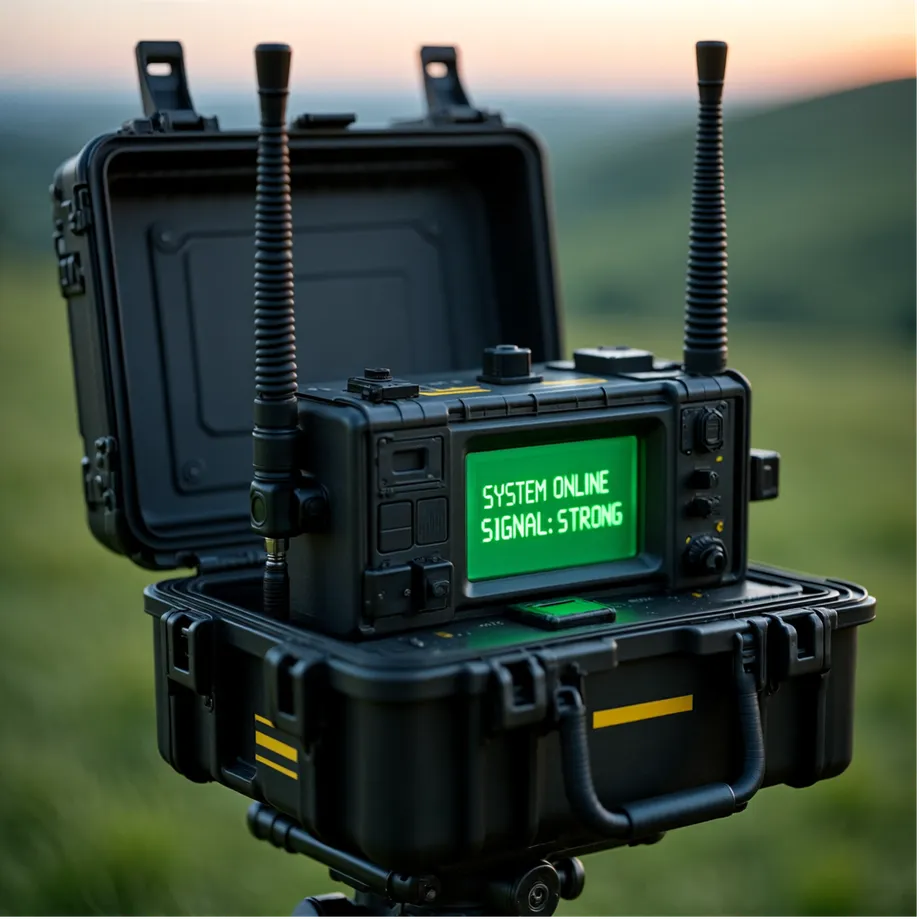
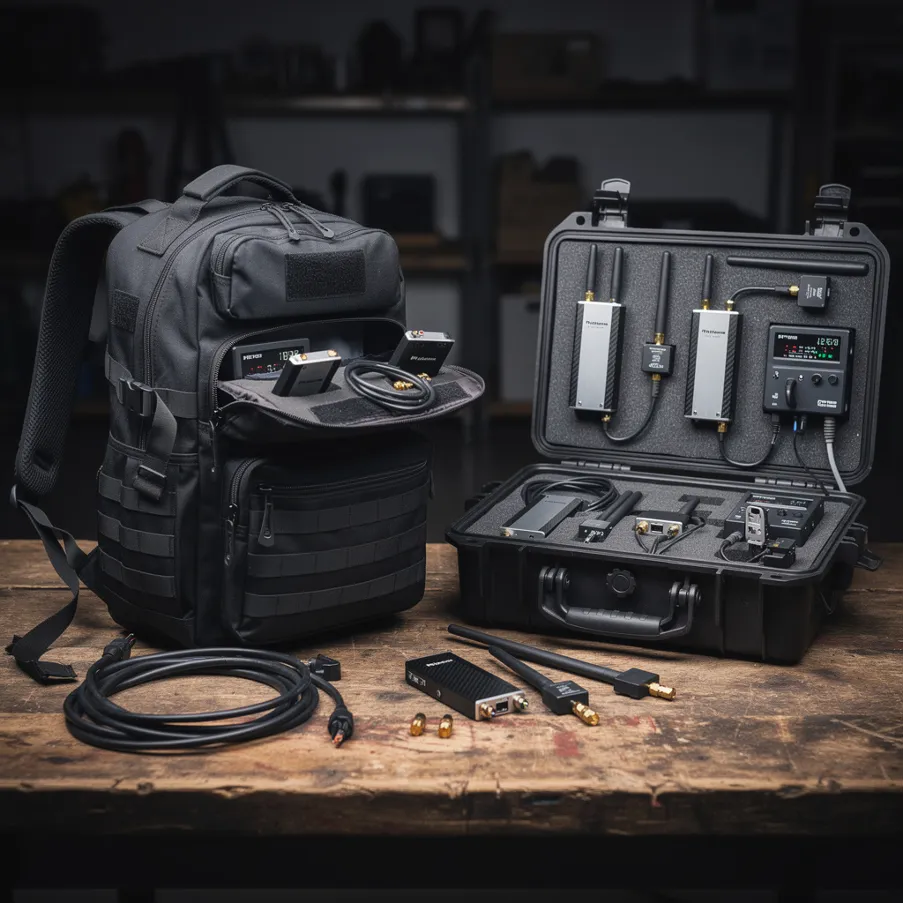
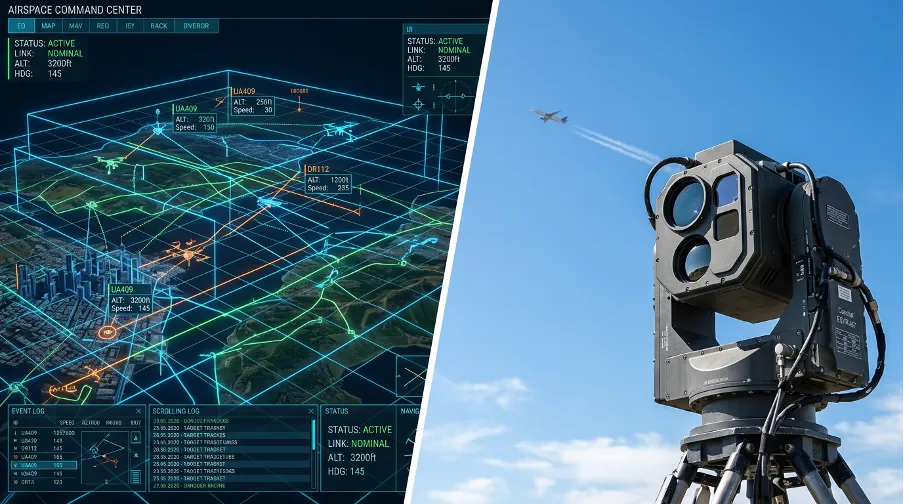
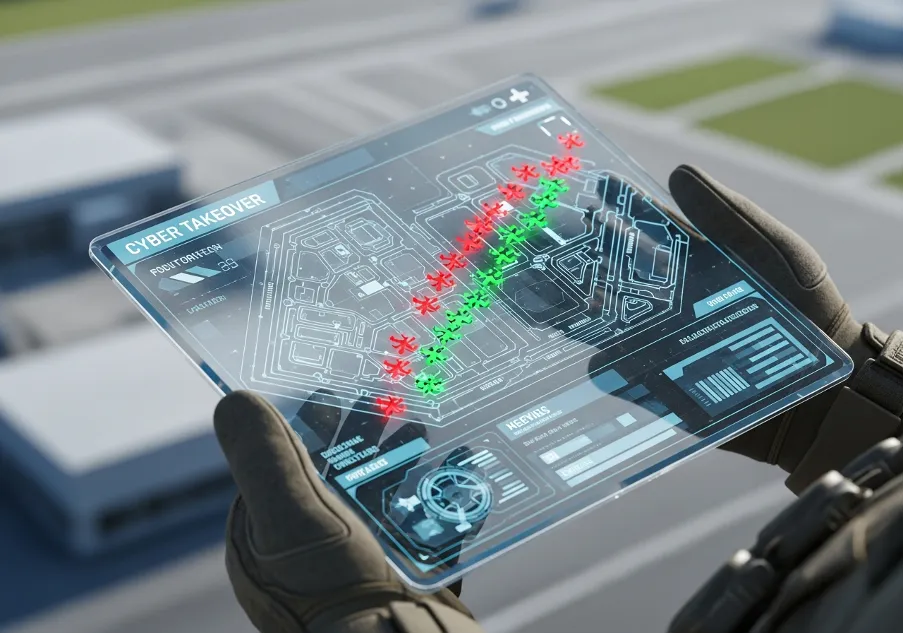
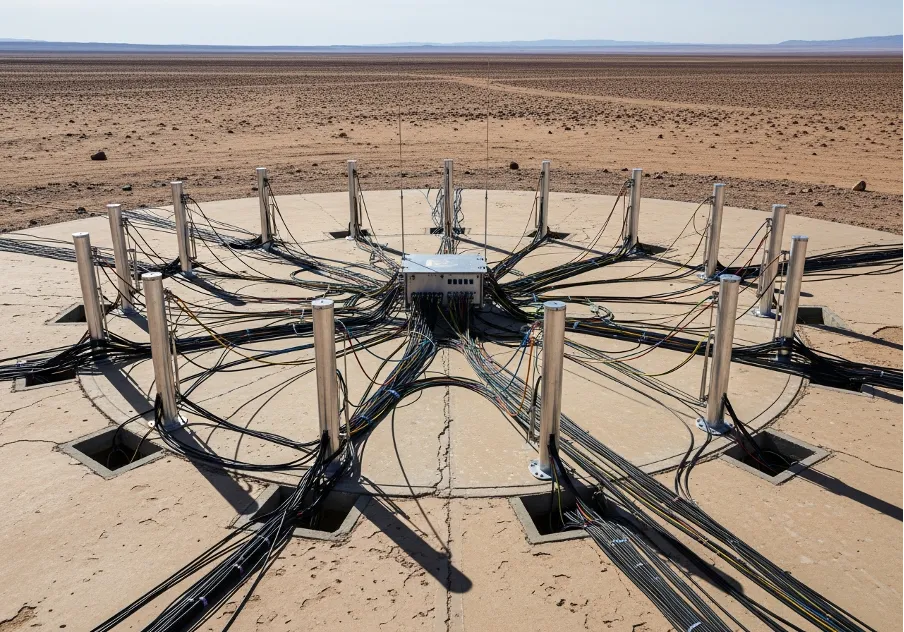
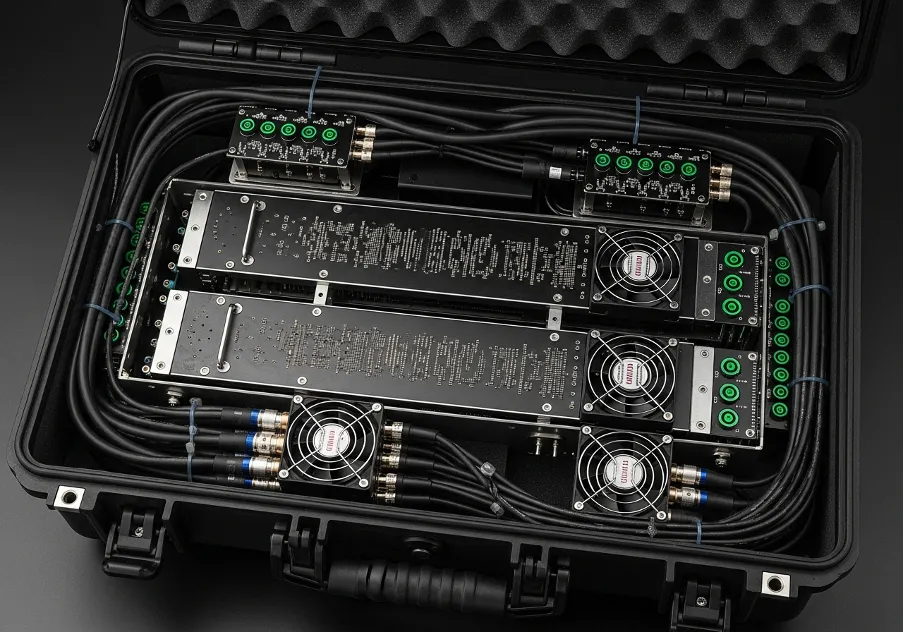
In the architecture ProDefence describes, detection happens at the edge: distributed sensor nodes analyze the ground and the air gap they cover, recognize movement or unusual activity, and report an event rather than a raw data stream. Nodes can be arranged as linear barriers - a line across open terrain - or as closed protective zones around an object, and the control system manages both automatically. Alarm and service messages travel over secure two-way channels to a fixed or a portable control unit, which gives small teams a supervision point that fits in a backpack.
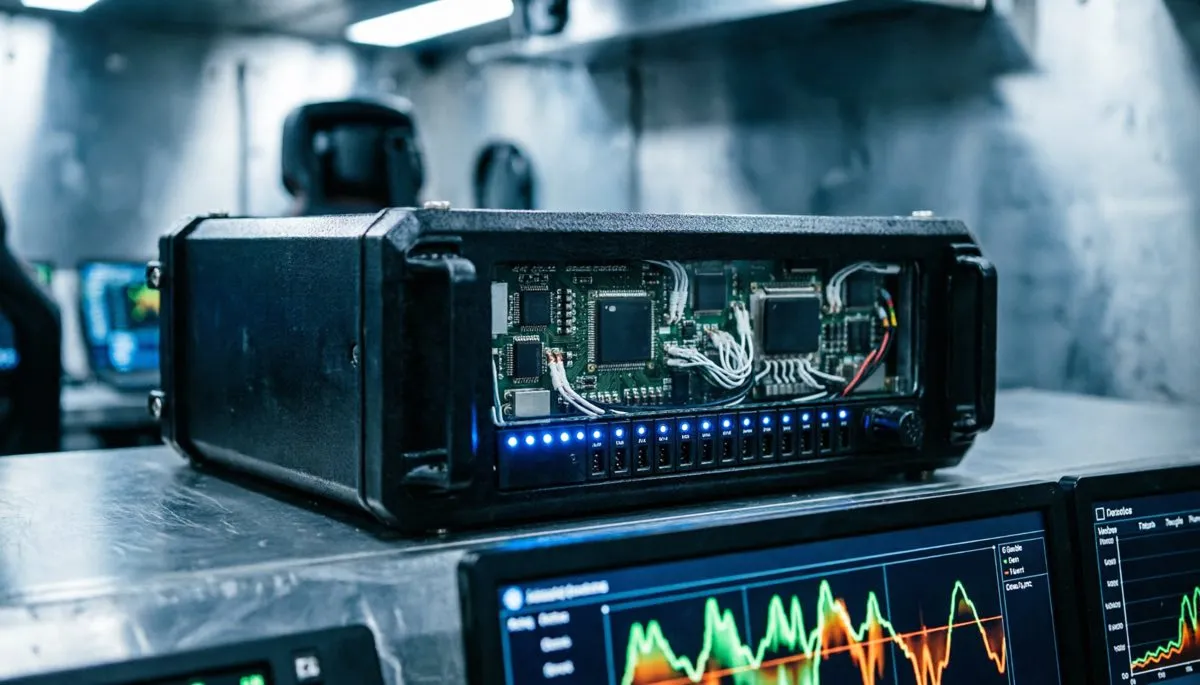
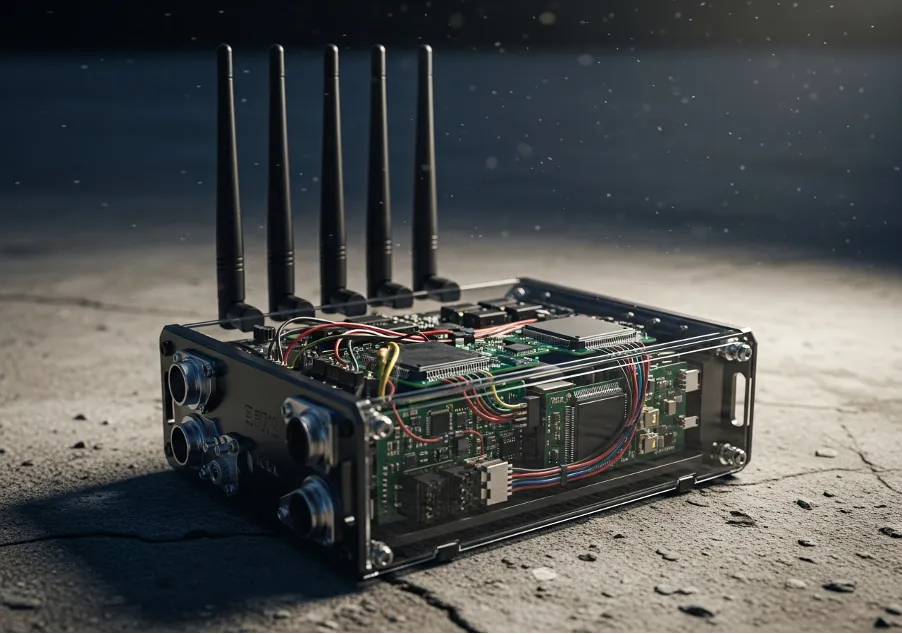
The nervous system of such a perimeter is its mesh. Instead of every sensor shouting to a distant base station, nodes relay messages for one another, and the network layer picks the best route as conditions change - a property the vendor calls automated network management and adaptive routing. Its practical meaning is resilience: a damaged, jammed or battery-dead node degrades a patch of coverage without cutting the line, because traffic reroutes around it. This is the feature that separates a true mesh from sensors that merely have radios.
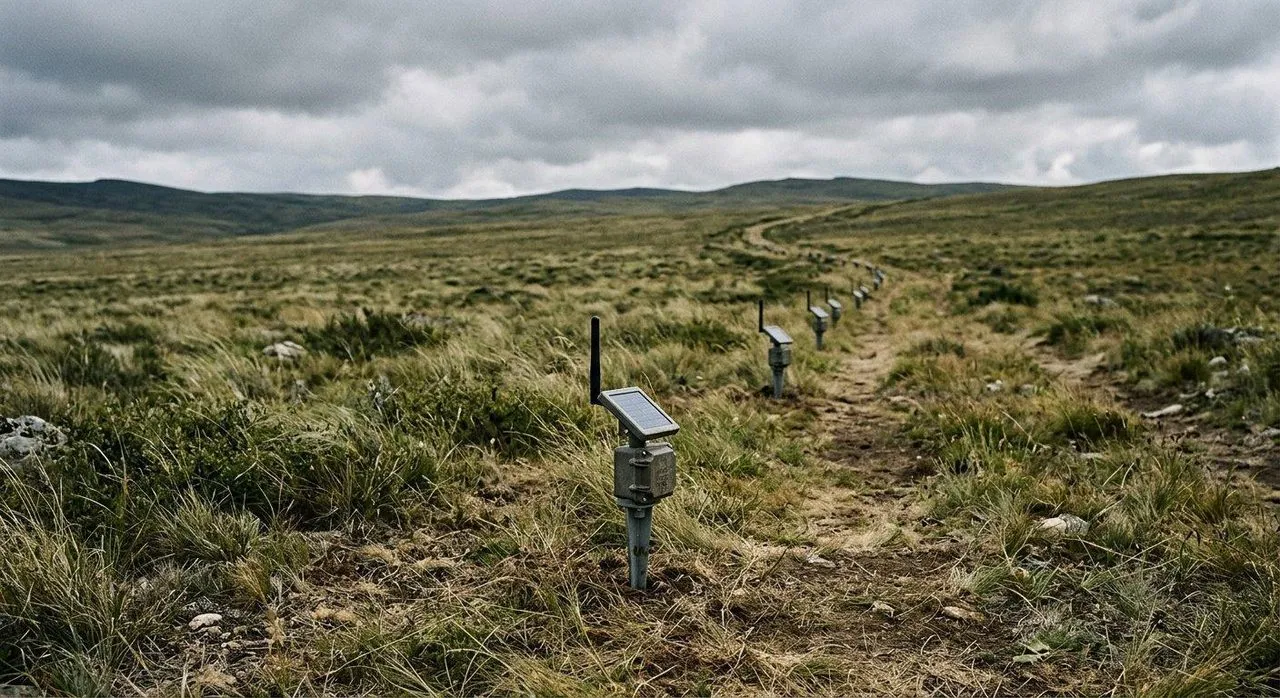
Why are multiple detection modalities combined?
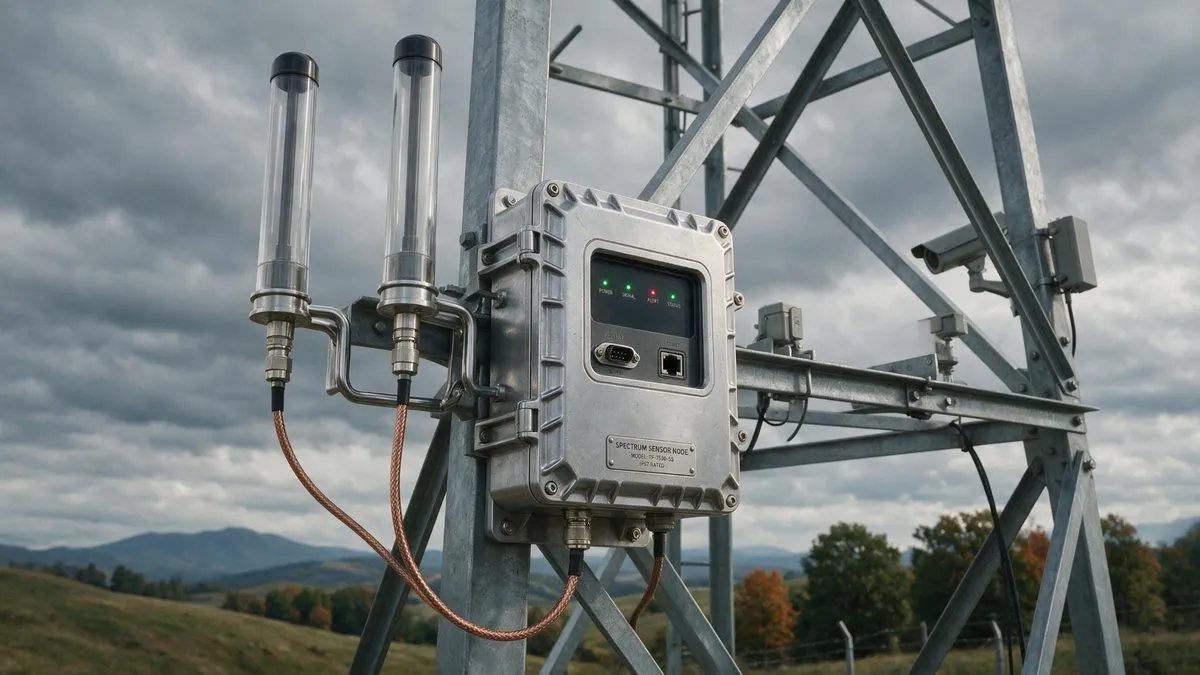
ProDefence states that PRO-WALL detectors are selected and combined according to the mission, which reflects the central lesson of the whole perimeter class: no single sensor is honest on all terrain. The modalities typically available in wireless perimeter kits each listen to a different physical phenomenon:
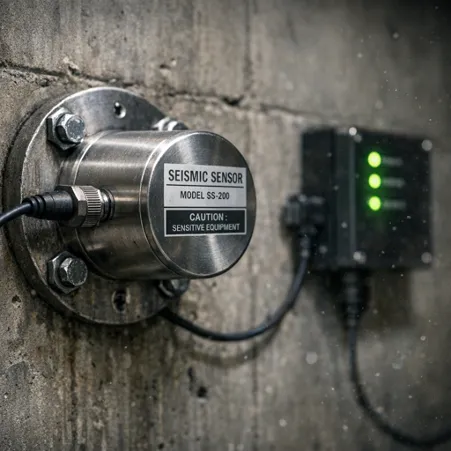
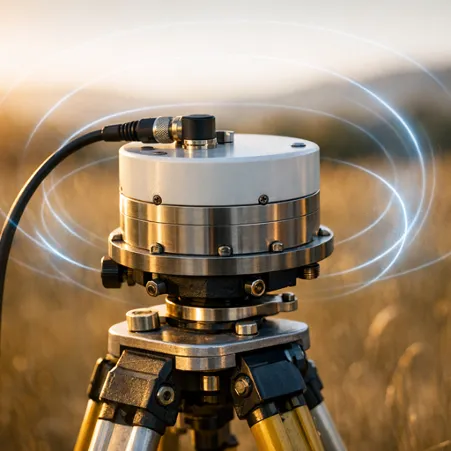
- Seismic or geophone sensing - footsteps and vehicles registered through ground vibration; nearly invisible to the intruder.
- Passive infrared - thermal motion across a detection lobe; fast to deploy, sensitive to animals and warm machinery.
- Magnetic sensing - vehicles and armed persons disturbing the local magnetic field; immune to weather.
- Microwave or break-beam links - a radio corridor between two points, reacting to anything crossing it.
- Photo traps and low-profile cameras - not a tripwire but the means to confirm what a tripwire heard.
Combined detection serves one master: the false-alarm budget. A perimeter that cries wolf eventually gets ignored, and each modality has its own nemesis - wind, animals, rain, farm machinery. Voting logic and layered zones, where an inner line confirms an outer line's alarm, filter most of that noise before a human ever sees it. The vendor's emphasis on complementary modes and layered strategies is precisely this standard engineering answer, and any evaluation should ask how the combination rules are tuned and who can tune them.
Alarms with pictures: what does video verification add?
A sensor says that something happened; an operator wants to know what happened before spending a patrol. Continuous video from dozens of remote points is a poor answer off-grid: it eats batteries and bandwidth. PRO-WALL-VIDEO, as described on the product page, takes the leaner route - on trigger, cameras capture freeze-frames and transmit the images to the operator, with manual requests possible as well. Incidents are verified and even tracked across frames at a fraction of the power and channel cost of streaming.
The value is double. Operationally, a single verified image separates a fox from a person in seconds and lets the response go straight to the right zone. Afterwards, the frozen frames become forensic material: time-stamped pictures tied to sensor events, usable in incident investigation and prosecution. For temporary and covert posts this approach has a second advantage - cameras that sleep until a sensor wakes them are far harder to spot and far slower to drain.
Deployment scenarios and selection criteria
The scenarios ProDefence names - border protection, critical-site security, temporary events and expeditionary operations - map onto the natural strengths of the class: long linear objects, objects without infrastructure, and objects that must appear and disappear quickly. When comparing systems of this type, the checklist that predicts success in the field looks like this:
- Detection probability against nuisance alarms for each modality, measured on comparable terrain.
- Real battery endurance at winter and summer temperatures, with alarm traffic included.
- Mesh behavior under node loss and deliberate interference - self-healing demonstrated, not promised.
- Cryptographic protection of links and management, and resistance to node capture and spoofing.
- Integration: open interfaces to higher-level security systems, maps and video management.
- Setup reality: how many people, how many minutes per kilometer, and how much training the interface assumes.
PRO-WALL's published profile - cable-free deployment, complementary detectors, resilient mesh, photo verification, minimal training - matches the reference design of a modern wireless perimeter, and the questions above are the instrument for checking how far any specific kit carries that design into practice. The invisible line works when its physics, its network logic and its false-alarm budget are all engineered together; the brochure gives the outline, and field trials supply the truth.











































































Trusted Worldwide
Operating in more than 50 countries, we provide cutting-edge defense solutions that ensure your safety to every corner of the globe.
Get Advice From Our Experts
Please complete the feedback form to gain exclusive access to our catalog showcasing models that are not available on our website
We’re here to assist you with any inquiries, support, or information you need. Whether you're interested in our defense products, looking to collaborate, or simply have a question, our team is ready to help.