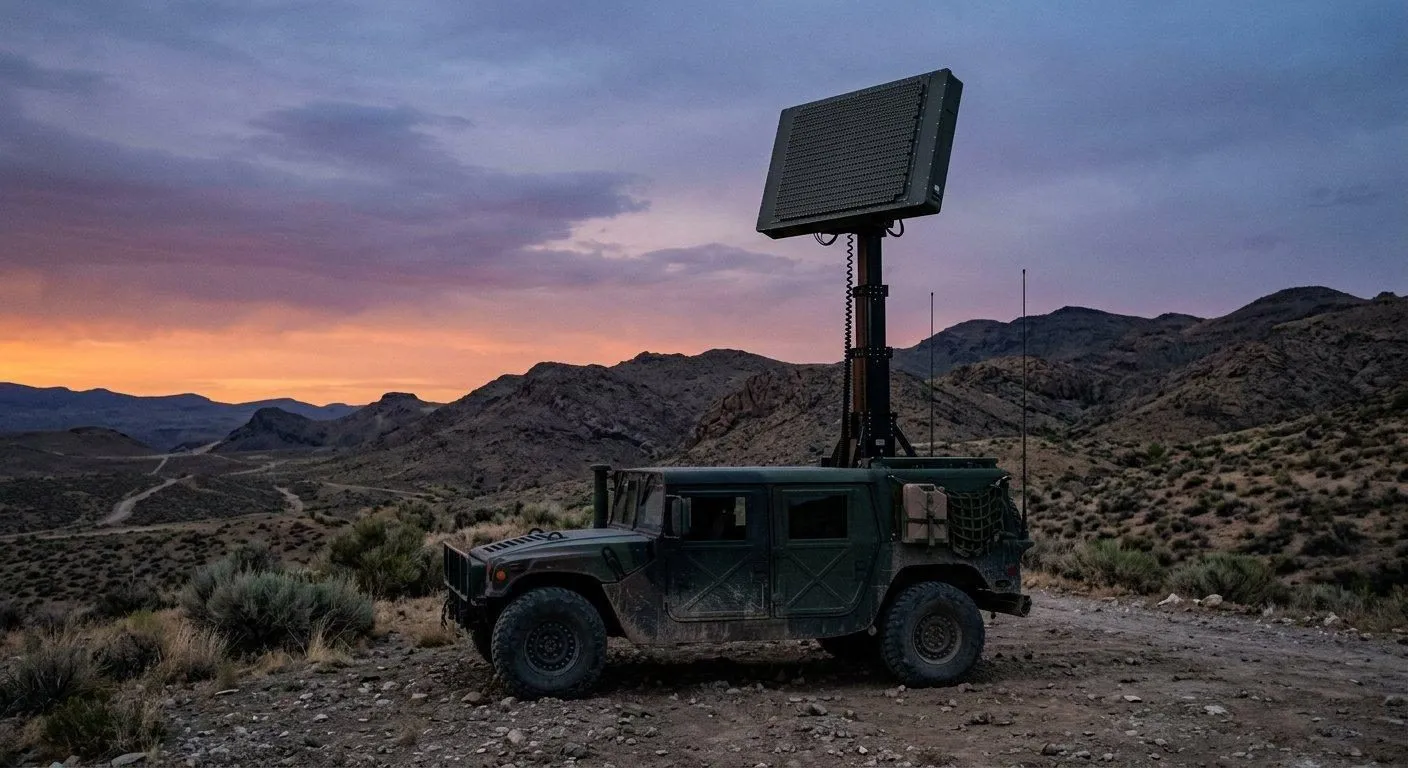
Digital 3D Radar for All-Threat Air Surveillance - PRO-ASDR in Context
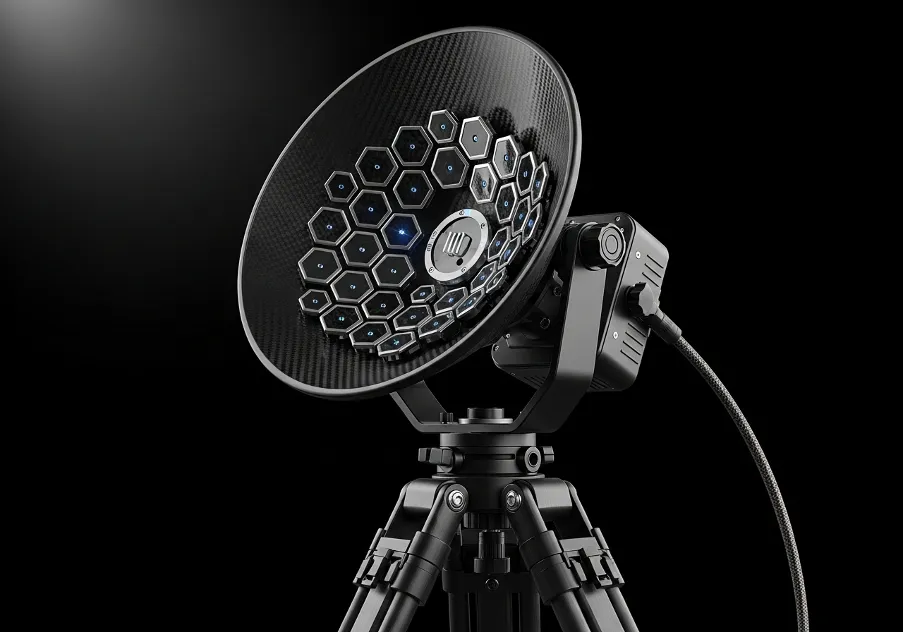
PRO-ASDR is a solid-state digital 3D radar designed to detect and track small drones, measure elevation and velocity, and support fixed, portable or vehicle-mounted counter-drone deployments.
Air surveillance radar was built for aircraft: large, metal, fast and high. Miniature drones are the opposite - small, slow, low, with a radar cross-section closer to a bird than to a plane - and their mass appearance forced a redesign of short-range air surveillance. PRO-ASDR, from ProDefence's border control line, addresses exactly this problem: the vendor describes it as a 3D digital radar that finds targets with the smallest radar cross-section at extreme distances, with no moving parts and with built-in real-time diagnostics.
This overview looks at the class rather than the brochure: what "smallest targets" means numerically, what a digital solid-state radar measures, which deployment models exist, and where such a radar belongs inside a full counter-drone architecture.
Small drones broke classic air surveillance
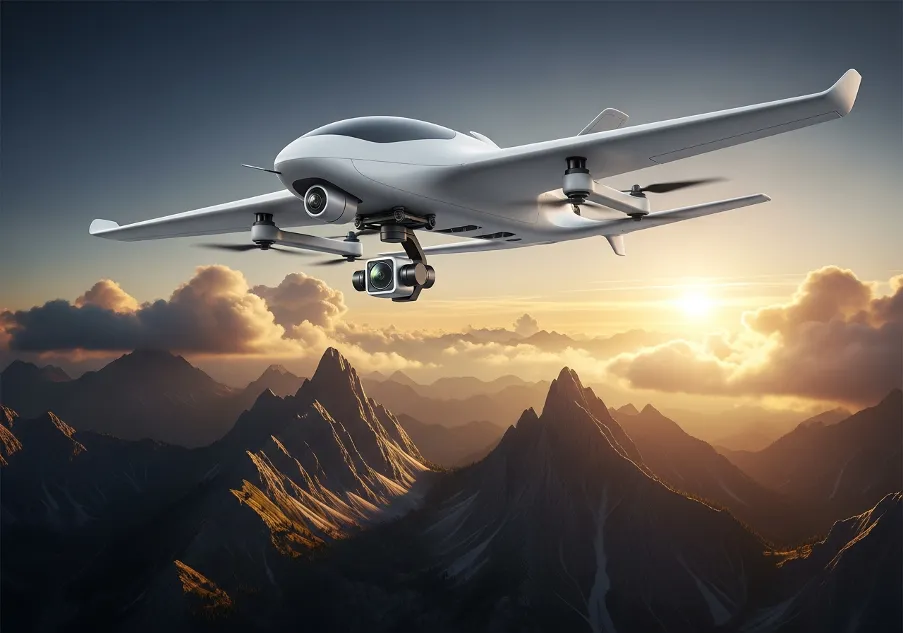
The radar cross-section of a medium consumer quadcopter sits near 0.01 square meters - comparable to a large bird and hundreds of times smaller than a light aircraft. Legacy radars filter such returns out on purpose, because the sky is full of birds, insects and weather, and an operator watching raw clutter sees noise instead of targets. Drones added two more complications: they fly low, where terrain and buildings shade them, and slow, just above the speeds that moving-target filters traditionally discard as ground clutter.
The result was a detection gap precisely where conflicts and incidents were growing: over borders, prisons, airports and critical infrastructure. The industry's answer has been a family of short-range 3D radars built around micro-drones as the design target - sensitive enough to hold a 0.01-square-meter object at useful distances, fast enough to update its position continuously, and smart enough to tell rotor blades from wings. PRO-ASDR's published sheet - detection of the smallest-RCS targets at extreme distances, full 3D plus velocity - is a statement of exactly that design target.
What does "digital radar" mean in practice?
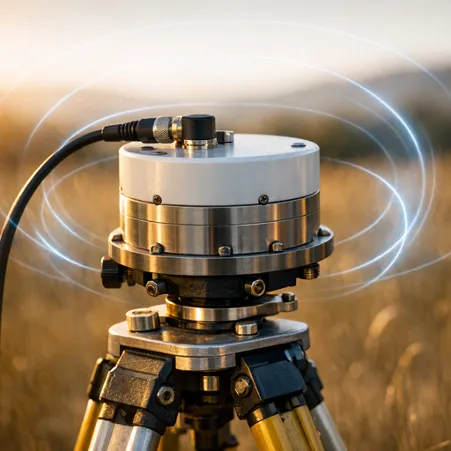
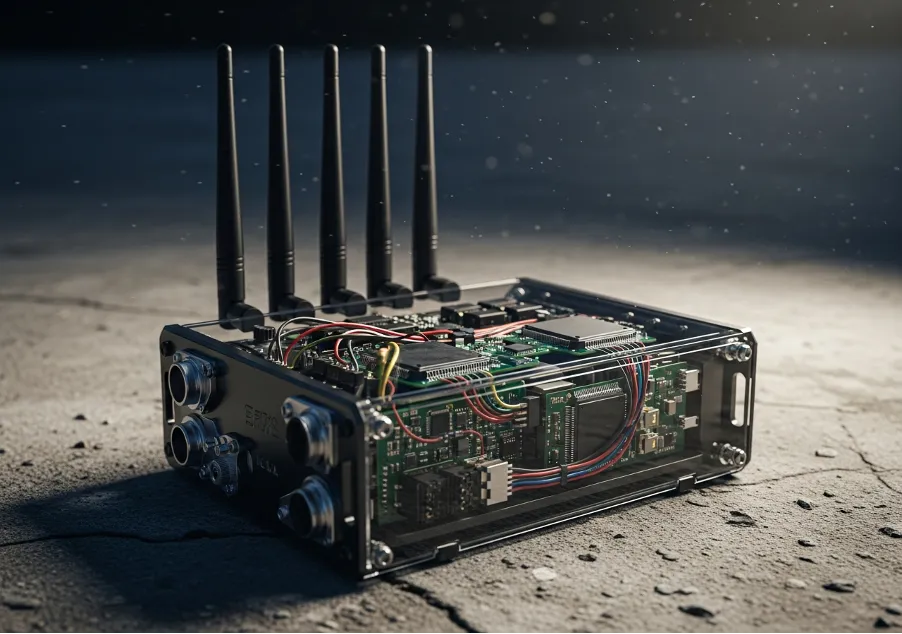
In this class, "digital" describes two engineering choices. The first is a solid-state antenna: transmitting and receiving are handled by electronic elements, beam-steering is done in software, and nothing rotates. The vendor's "no moving parts" formulation points to the operational consequences - concealed deployment without a spinning antenna to spot, and mechanical reliability in dust, frost and rain. The second choice is that digitization happens close to the antenna, so beamforming, detection and tracking are software problems, updated over the product's life rather than fixed at the factory.
ProDefence also names integrated real-time diagnostics: the radar continuously monitors its own health. For uncrewed, remote installations that matter more than any single performance figure, because the typical failure of a border sensor is not a dramatic breakdown but a silent degradation nobody visits for weeks. Compact form factor rounds out the description, enabling the three installation modes the vendor lists - stationary, portable and vehicle-mounted - without redesigning the sensor itself.

Three dimensions plus velocity: reading the air picture
A 3D radar measures range, azimuth and elevation for every target; adding Doppler processing gives radial velocity. Range and azimuth alone - the output of older 2D sets - cannot separate a drone at 100 meters altitude from a truck on a hill behind it; elevation is what makes the air picture three-dimensional and what allows cueing a camera precisely upward. Velocity closes the classification loop: hovering, orbiting and dash patterns are behavioral signatures that already discriminate drones from much natural clutter.
For the smallest objects, the class adds micro-Doppler analysis: the spinning rotors modulate the echo at distinct rates, producing a signature different from the flapping rhythm of a bird. This is relevant context for PRO-ASDR's claim about minimal cross-sections - sensitivity alone only finds a dot; it is the velocity and micro-motion analysis that assigns meaning to it. Buyers should read "all-threat" labels in exactly this sense: not the range to the largest possible target, but the detection and classification quality against the smallest, slowest one.
Fixed, portable or vehicle-mounted: deployment models
The use cases on the ProDefence page cover the standard deployment triangle of the class, and each mode buys something different:
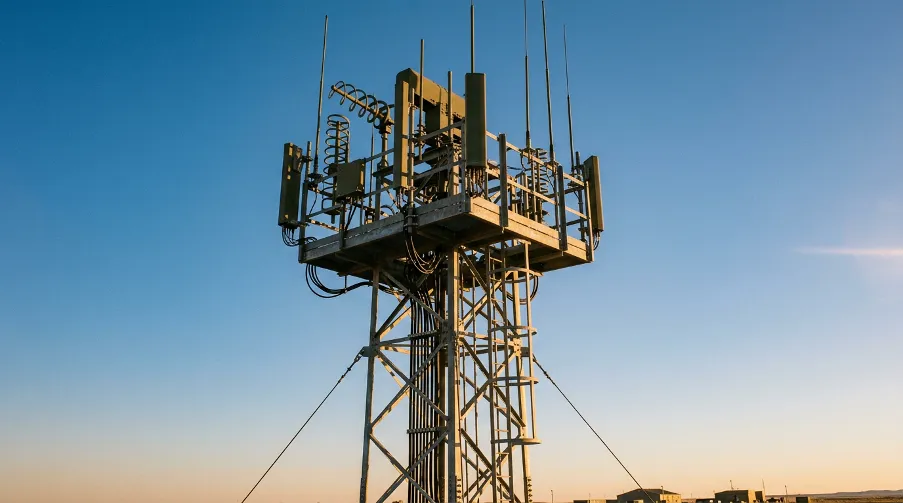
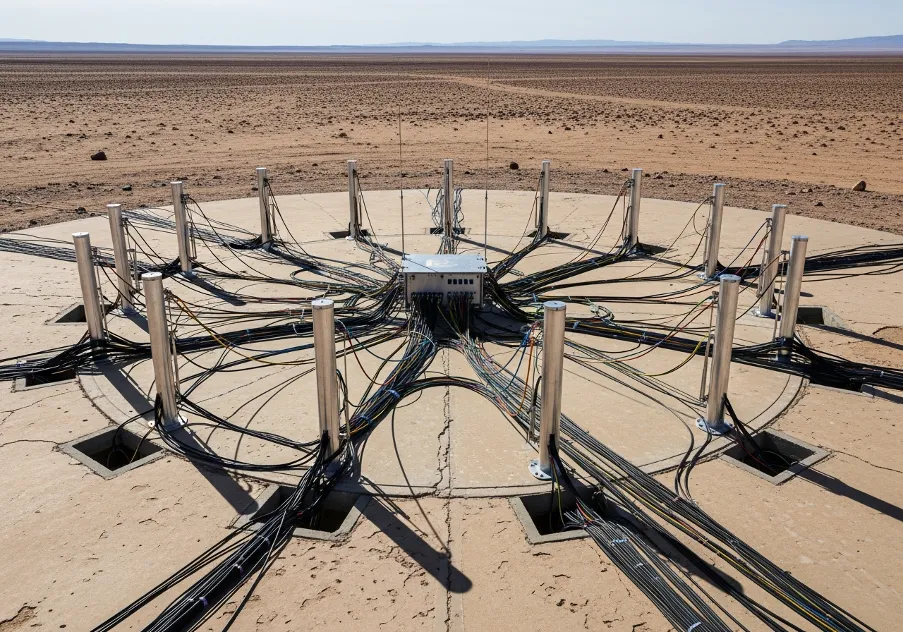
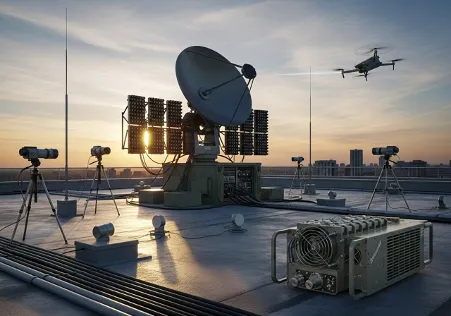
- Fixed installations on masts or buildings - permanent coverage of critical infrastructure and border sectors.
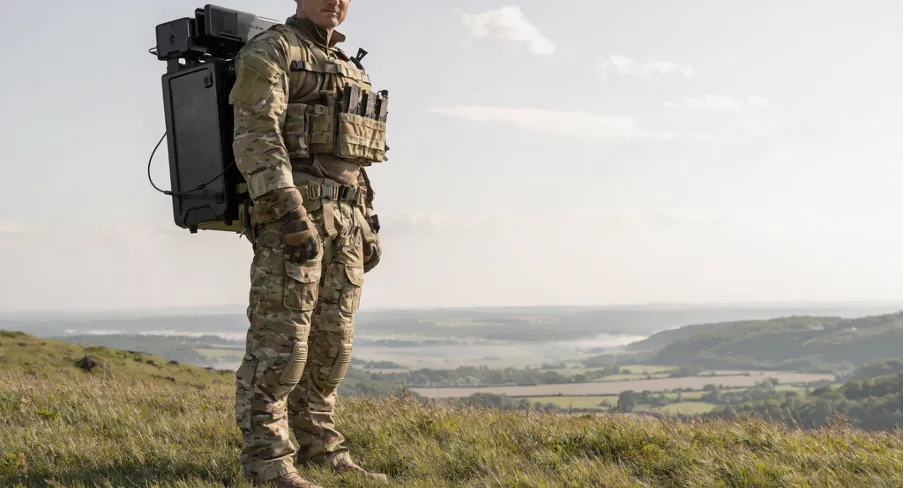
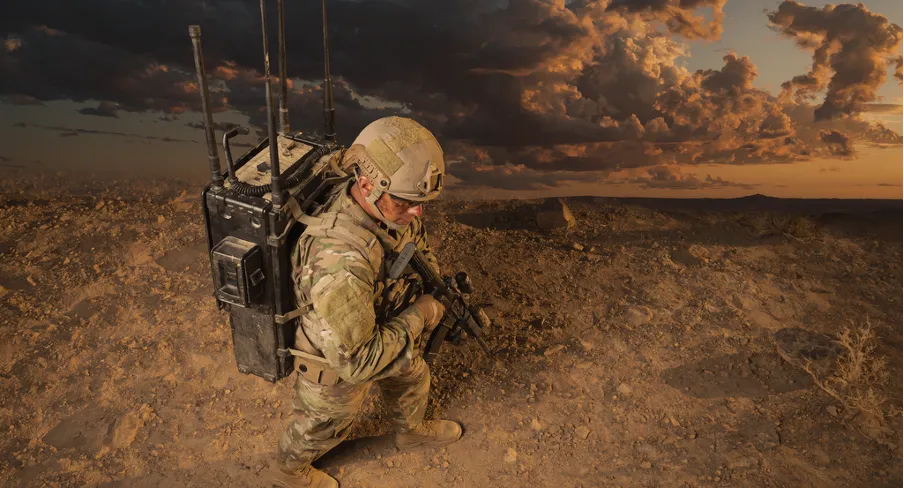
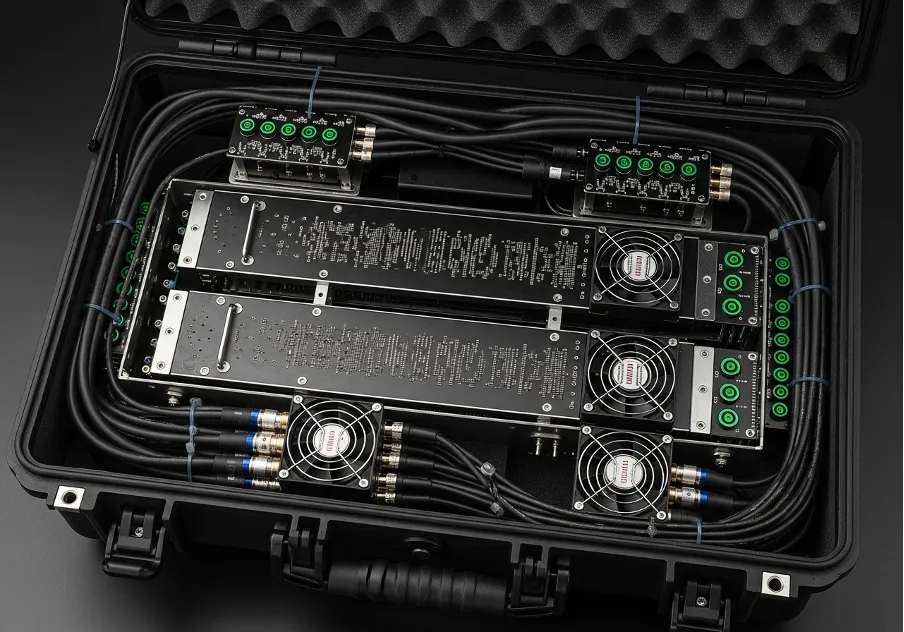
- Portable kits - temporary sites, events and expeditionary needs, where the sensor moves with the mission.
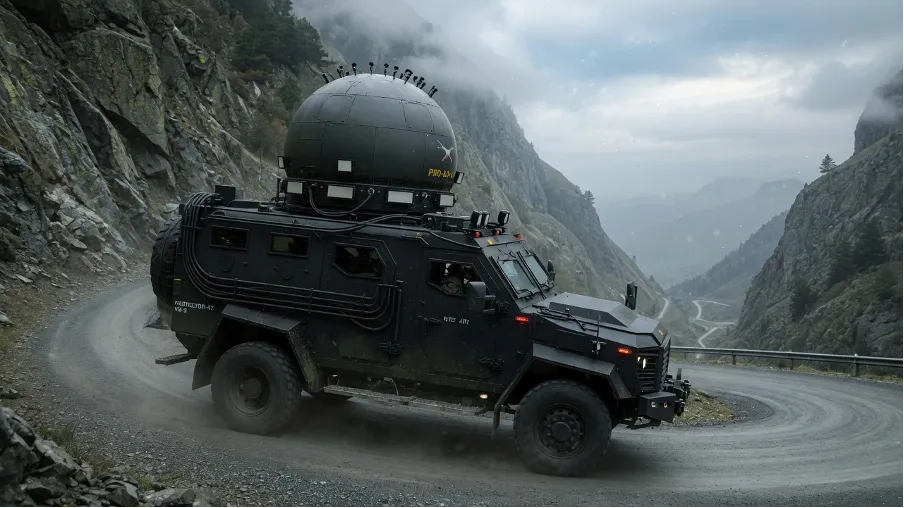
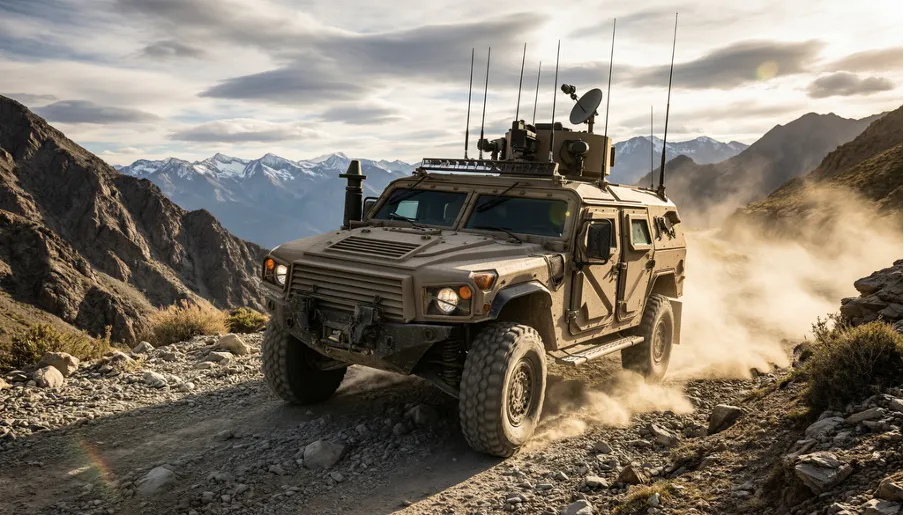
- Patrol vehicles, civilian or military - a mobile air picture that travels with a convoy or a route.
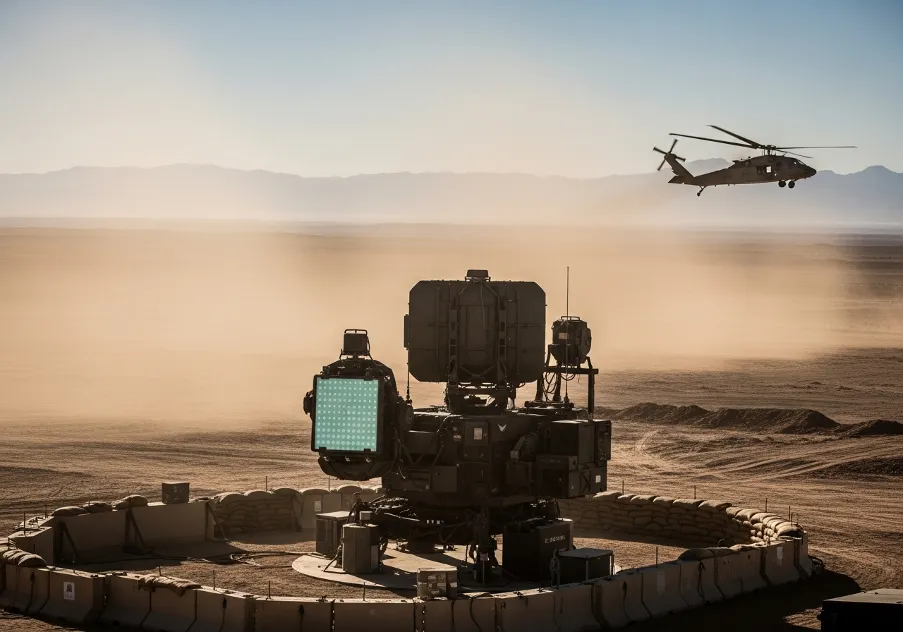
- Mobile counter-drone platforms - radar plus effectors on one chassis for rapid point defense.
- Airport protection vehicles - closing gaps around approaches and perimeter roads where fixed radar is impractical.
The trade-offs are predictable: fixed sites see farthest because power and mast height are free; portable kits trade range for minutes of setup; vehicle mounting inherits vibration and needs stabilization and clean calibration. A no-moving-parts antenna helps all three, and the vendor's emphasis on concealed deployment points to a further tactical use - sensors that watch without advertising their position.
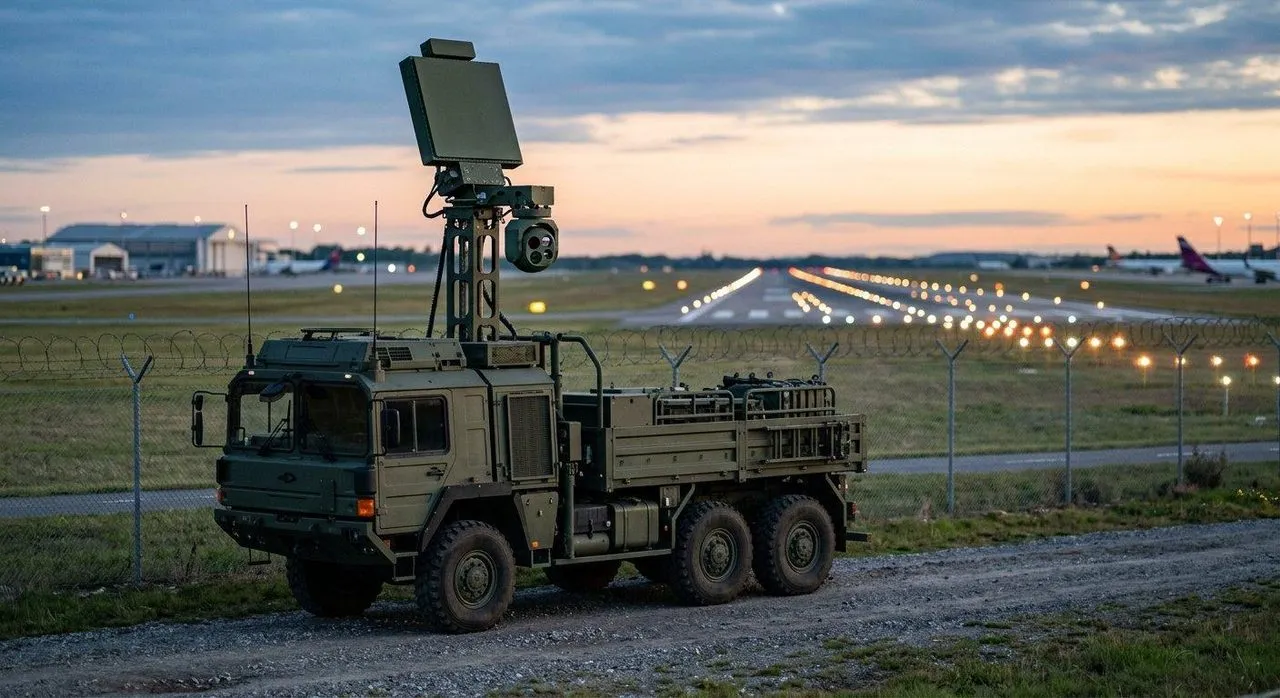
Where does PRO-ASDR fit in a counter-drone stack?
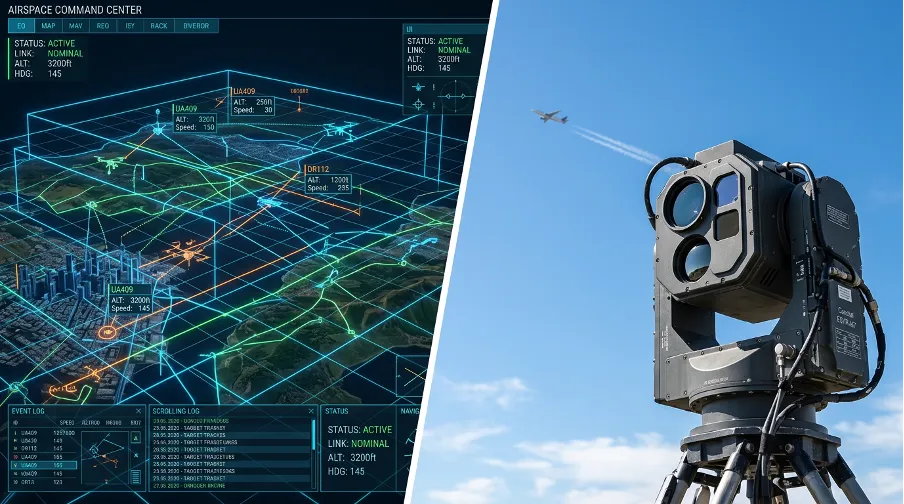
A radar does not stop a drone; it starts a chain. The accepted architecture has five layers: detect, track and classify, identify, decide, defeat. Radar owns the first layer and feeds the second; optical and thermal cameras confirm identity in the third; command software and a human make decisions in the fourth; jamming, interception or capture live in the fifth.
ProDefence explicitly places PRO-ASDR as a component of anti-drone complexes, which is the correct architectural reading of any such radar: a sensor whose value is measured by how well it cues everything else.
For comparing radars of this class, a short metric list does most of the work:
- Instrumented range against a stated cross-section - 0.01 square meters, not a car-sized test target.
- Minimum detectable velocity and low-altitude coverage over real terrain, including clutter maps.
- Classification performance on micro-drones versus birds, with measured confusion rates.
- Track capacity and update rate for simultaneous targets.
- Interfaces and APIs for cueing cameras, RF sensors and effectors.
PRO-ASDR's public description touches each of these dimensions - minimal-RCS sensitivity, 3D plus velocity, diagnostics, three installation modes - while leaving the numbers themselves for direct inquiry, which the vendor notes are provided under non-disclosure terms. The class verdict applies as always: the honest radar is the one whose datasheet begins with a target size, and a live trial against that target in your terrain is worth more than any figure on a page.



































































Trusted Worldwide
Operating in more than 50 countries, we provide cutting-edge defense solutions that ensure your safety to every corner of the globe.
Get Advice From Our Experts
Please complete the feedback form to gain exclusive access to our catalog showcasing models that are not available on our website
We’re here to assist you with any inquiries, support, or information you need. Whether you're interested in our defense products, looking to collaborate, or simply have a question, our team is ready to help.