
Protecting Infantry with Backpack Jammers
Technical Features of the Tactical Reactive Backpack Jammer
Dismounted troops on foot patrols face an immediate threat from remotely controlled improvised explosive devices (RCIEDs). A single radio command can detonate a concealed roadside threat before soldiers have time to seek cover or react.
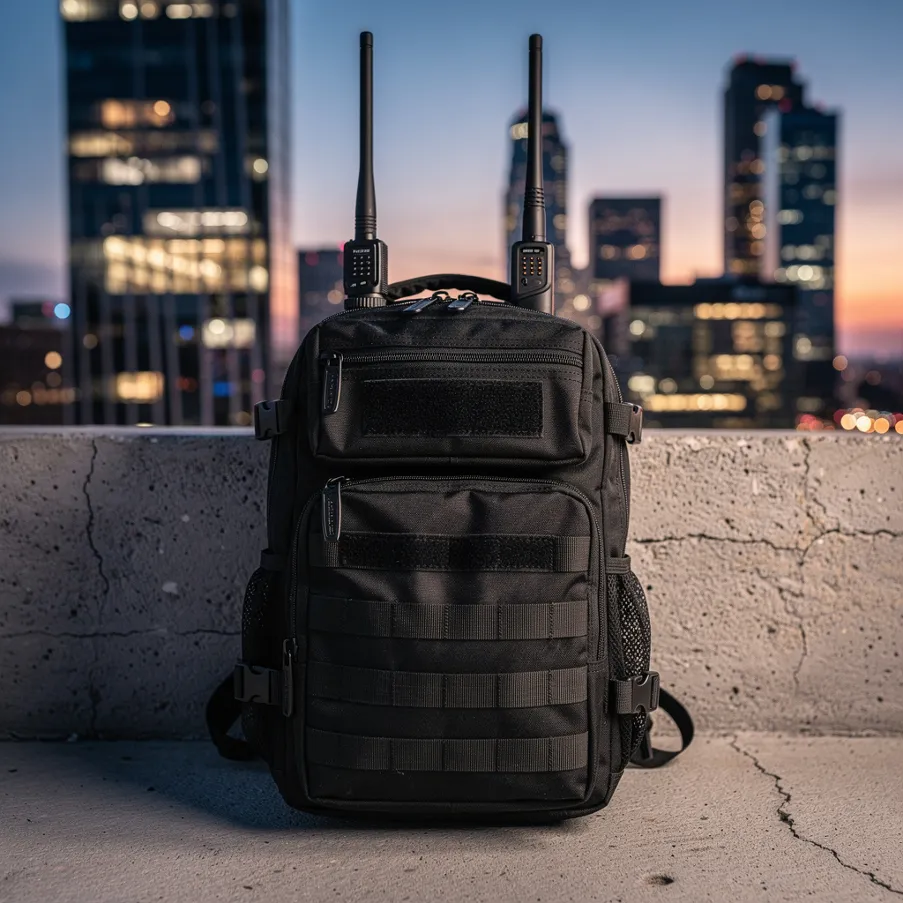
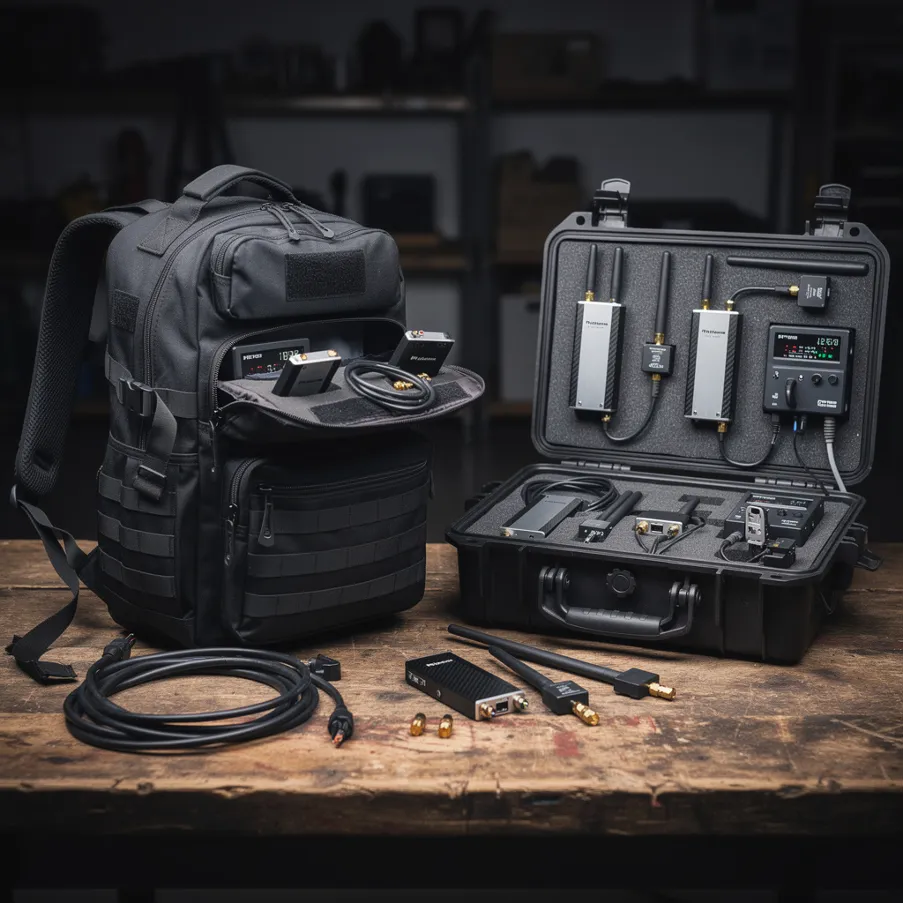
To counter this, modern infantry units deploy backpack jammers that establish a mobile electromagnetic protective shield. A Tactical Reactive Backpack Jammer scans the local spectrum and disrupts trigger signals instantly, protecting life and mobility in high-threat environments.
How do backpack jammers neutralize RCIEDs in active conflict zones?
These backpack jammers act as mobile shields, preventing wireless signals from reaching the receivers of roadside bombs. Insurgents commonly use commercial transmitters, including mobile phones, garage openers, and two-way radios, to detonate explosives from a safe distance. By emitting targeted radio frequency interference, the tactical jamming system blocks these signals, rendering the trigger mechanism useless.
The protective coverage operates continuously as the patrol moves, forming an invisible safety dome. Because the threat is ever-present, the backpack jammers must cover wide frequency spectrums to ensure no signal penetrates the defensive perimeter.
Signal detection and scanning mechanism of the Tactical Reactive Backpack Jammer
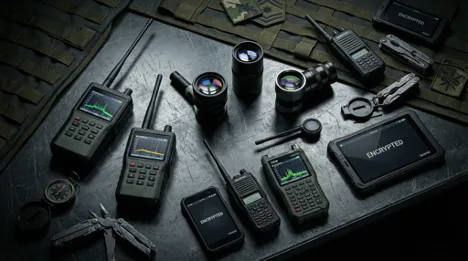
The efficiency of a Tactical Reactive Backpack Jammer relies on its ability to scan the environment and react to signals in microseconds. Unlike older barrage systems that transmit jamming signals constantly across all bands, a reactive system only transmits when it detects a threat. This selective activation saves battery power and reduces the thermal footprint of the hardware during missions.
The system prioritizes critical frequencies commonly used for wireless detonations:
- standard VHF and UHF tactical radio bands;
- cellular networks used as remote triggers;
- DECT frequencies and short-range wireless channels.
Once a potential trigger signal is detected, the Tactical Reactive Backpack Jammer directs its jamming power precisely at that specific frequency. This targeted response neutralizes the threat immediately without disrupting friendly military communications on adjacent channels.
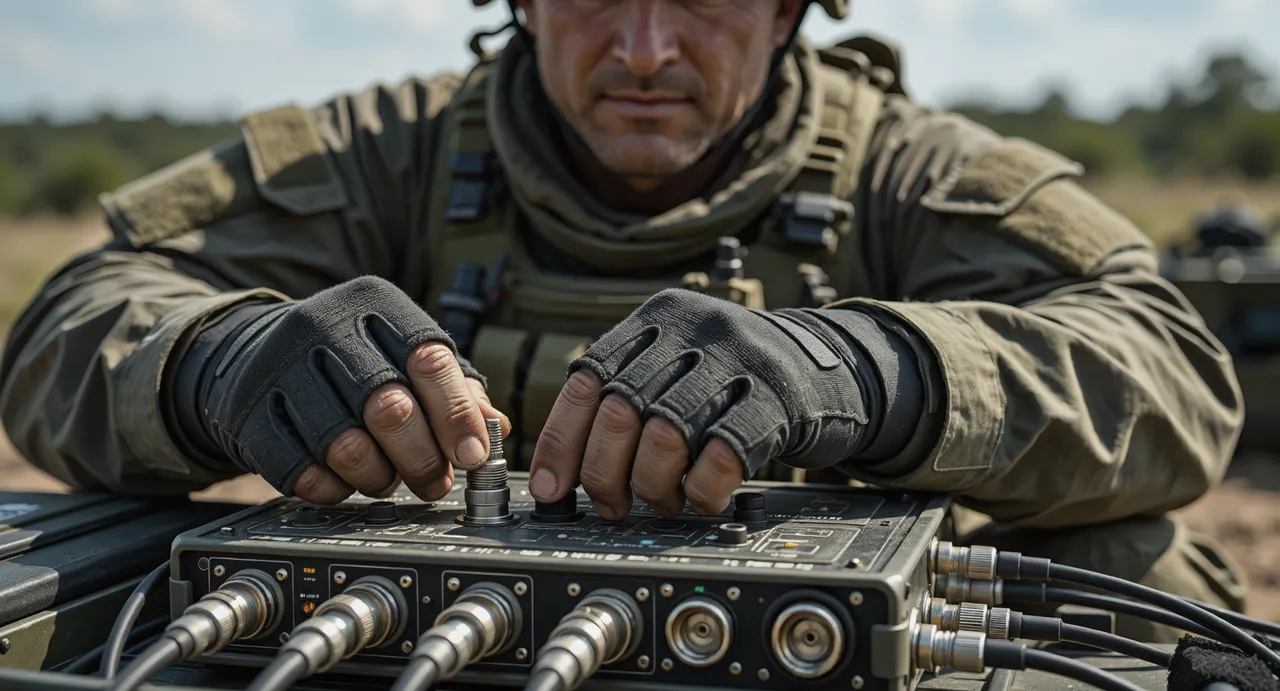
Weight limits and battery specifications of portable jammers
Dismounted soldiers carrying heavy combat gear require portable jammers that do not compromise their speed or mobility. A heavy payload increases fatigue, which lowers situational awareness during long-distance foot patrols. Modern designs keep the weight of these portable jammers between 12 and 18 kilograms, including the battery and antennas.
The operational run time of these units is directly tied to the efficiency of their power management systems. On a single charge, a tactical jamming system provides up to four hours of continuous protection. This duration allows patrol units to complete standard dismounted missions without carrying spare battery packs.
Where should infantry units deploy a tactical jamming system during foot patrols?
Positioning a tactical jamming system within a patrol column determines the size and reliability of the electronic shield. The signal strength of backpack jammers decreases with distance, meaning soldiers must stay within a specific radius of the operator. Standard configurations suggest maintaining a defensive radius of 30 to 50 meters around the carrier.
Tactical teams use these devices in several high-risk scenarios:
- route clearance operations through areas suspected of containing RCIEDs;
- security details at temporary checkpoints and urban perimeters;
- explosive ordnance disposal (EOD) actions during physical disarming procedures.
During movement, the operator carrying the Tactical Reactive Backpack Jammer remains in the center of the squad. This central placement ensures that both the lead scouts and the rear guard remain inside the electronic protection zone.

Technical constraints and antenna maintenance of backpack jammers
The performance of backpack jammers relies on the physical condition of their omnidirectional antennas. Rough terrain, thick brush, and urban obstacles can damage these components, leading to signal degradation. A bent or dirty antenna connection can cause a 30% reduction in signal strength, leaving the patrol vulnerable.
Operators must inspect the RF connectors and clean the antenna mounts before every deployment. Keeping the physical hardware in peak condition prevents signal loss and ensures the Tactical Reactive Backpack Jammer operates at maximum output.
Learn more about alternative systems and related products from Prodefence in RF JAMMING.







































































































Trusted Worldwide
Operating in more than 50 countries, we provide cutting-edge defense solutions that ensure your safety to every corner of the globe.
Get Advice From Our Experts
Please complete the feedback form to gain exclusive access to our catalog showcasing models that are not available on our website
We’re here to assist you with any inquiries, support, or information you need. Whether you're interested in our defense products, looking to collaborate, or simply have a question, our team is ready to help.