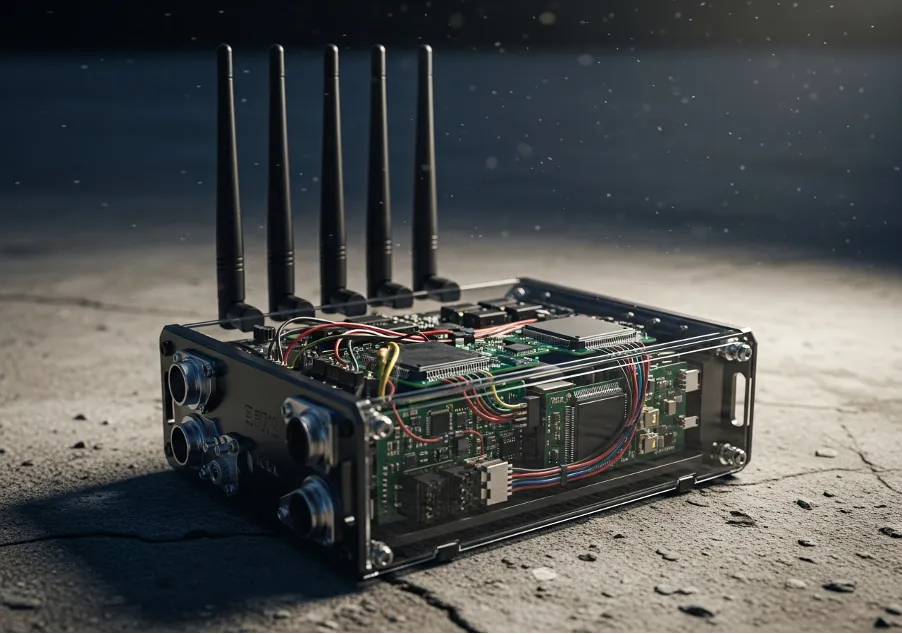
The Mobile Phone Jammer Explained
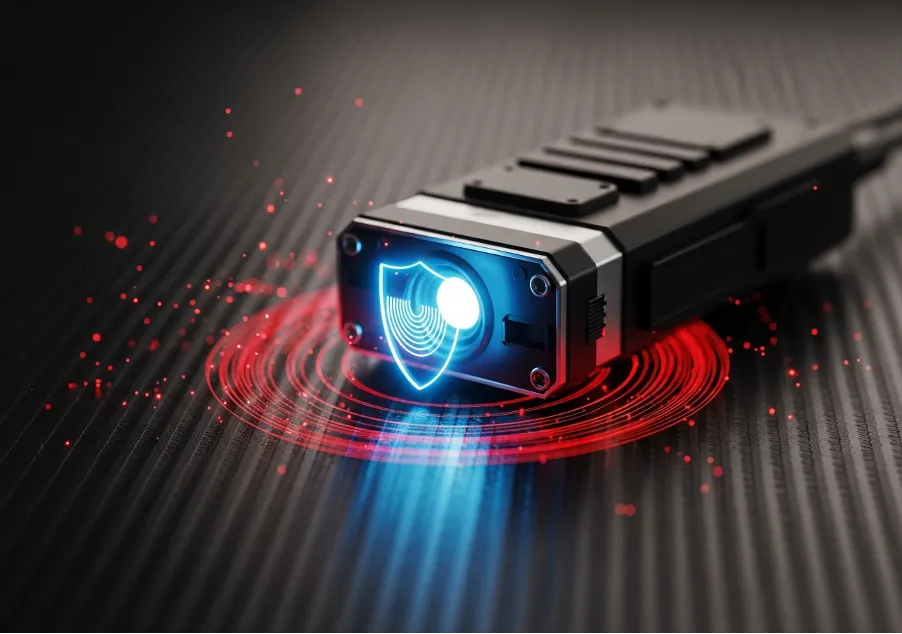
We have all been in a quiet movie theater when a loud ringtone shatters the silence. This annoyance is exactly why the mobile phone jammer was originally invented and marketed. These devices promise instant peace by creating a zone of radio silence around the user. They come in various shapes, from handheld units to large industrial boxes.
However, the reality of using such hardware is far more complex than just pressing a button. A standard signal blocker does not discriminate between a rude caller and a doctor waiting for an emergency page. Understanding the technology and the severe legal consequences is vital before you even consider looking for one.
How Jamming Technology Works
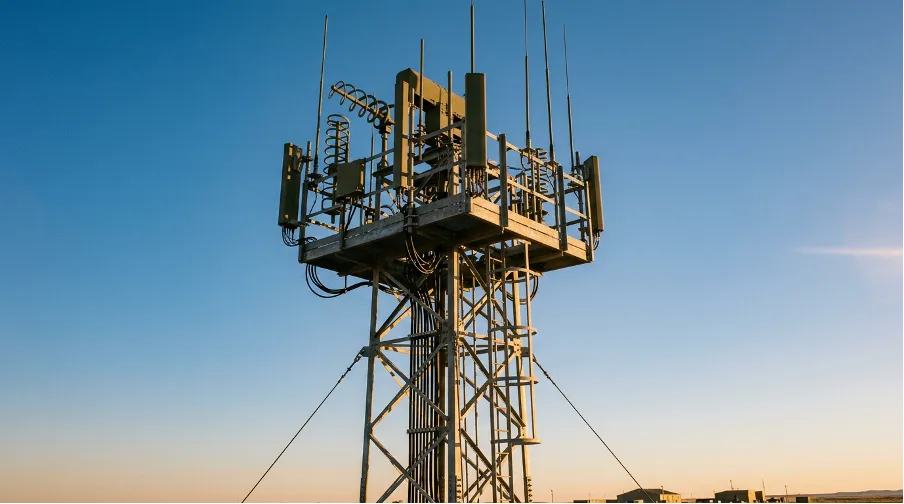
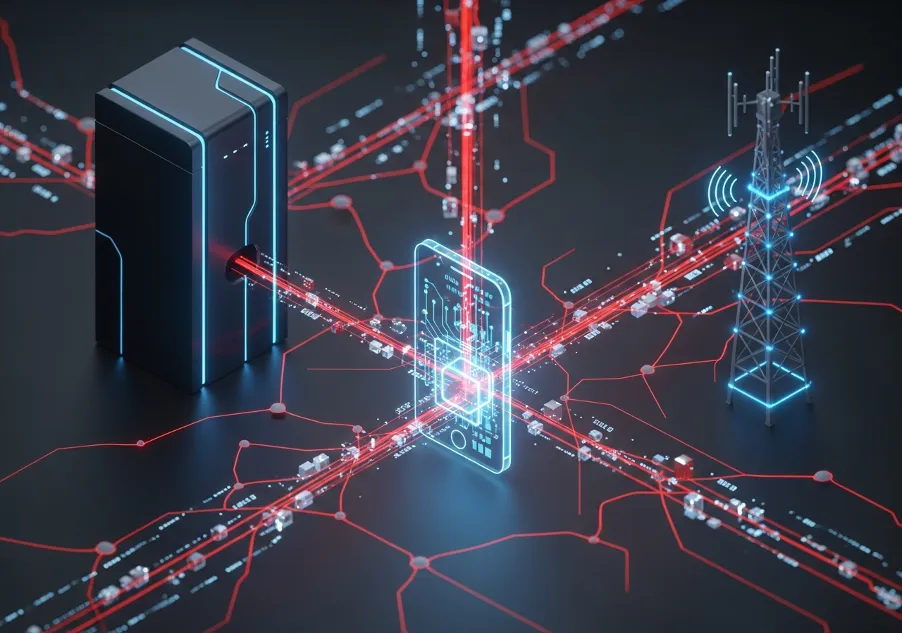
To understand the function, you must first ask what is a jammer in a technical sense. It is essentially a radio frequency transmitter that broadcasts noise on specific bands. The device creates a denial-of-service attack against the cell tower.
The generated jammer signal is tuned to the same frequency as the mobile device but at a higher power. This overpower effect causes significant interference. A properly tuned signal jammer effectively drowns out the conversation between the phone and the base station.
Consequently, the phone cannot handshake with the network. It behaves as a mobile network jammer by convincing the phone that there is no service available. The phone displays "No Signal" and stops all data and voice transmissions immediately.
Here is what happens technically during the interference process:
- The device floods the specific frequency with white noise or distinct pulses;
- The mobile phone fails to discriminate the tower signal from the noise;
- The connection drops and the phone enters a constant search mode.
This process drains the battery of the victim's phone rapidly. It is not just a passive shield, but an active radio assault on the local spectrum.
Types and Common Applications
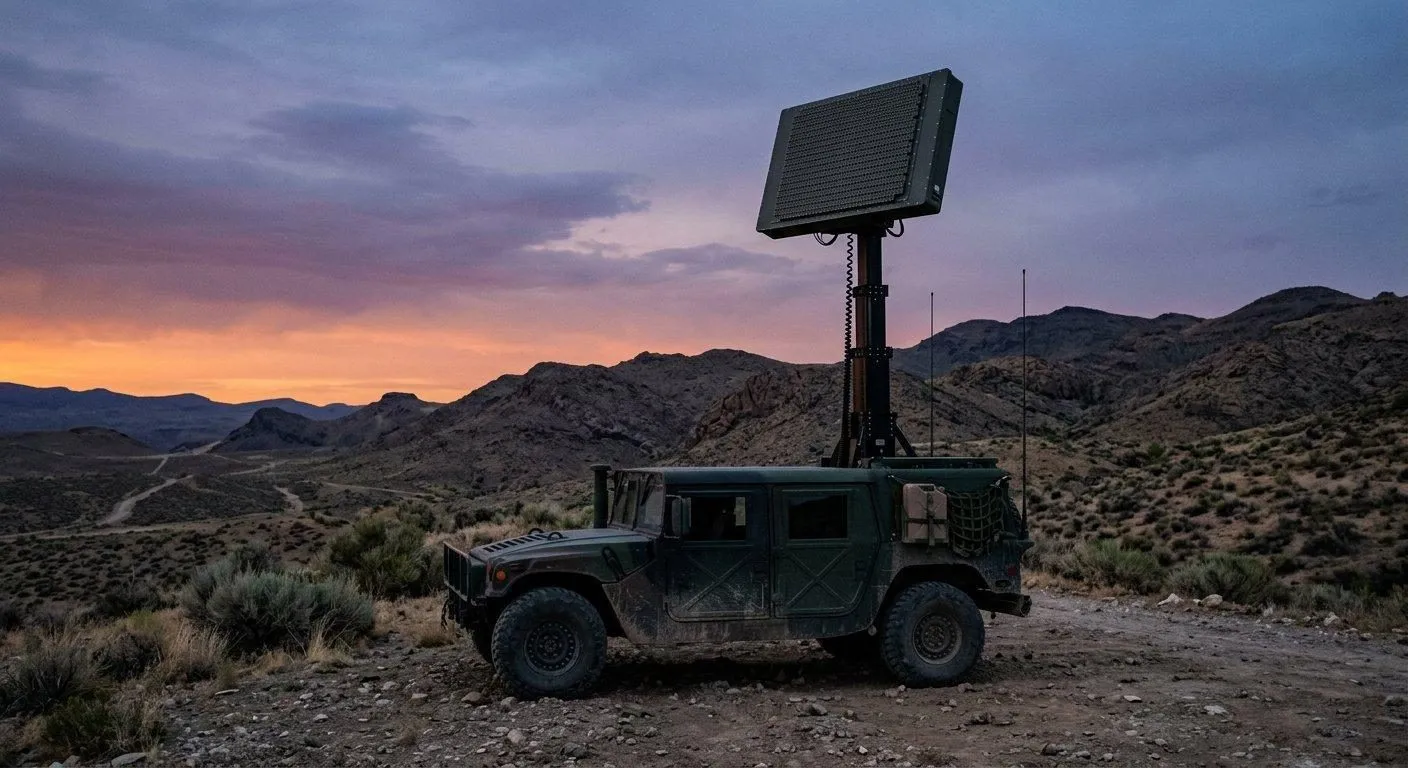
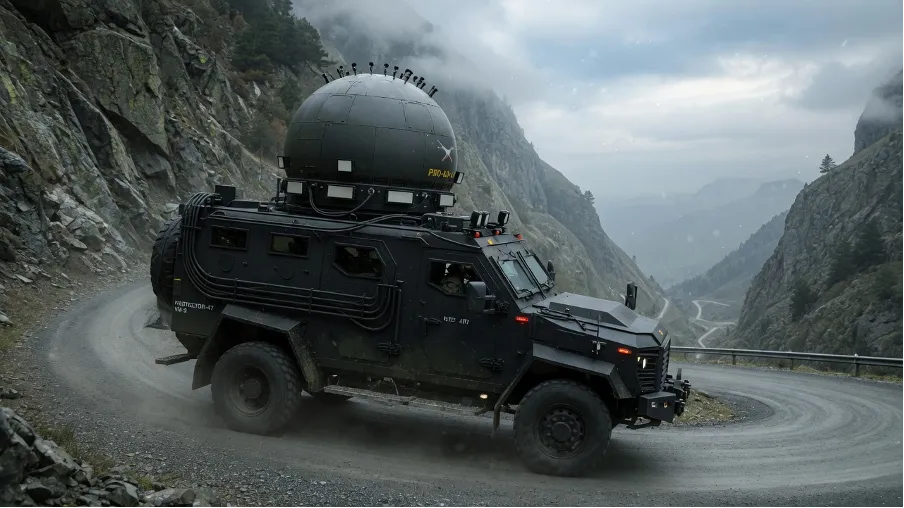
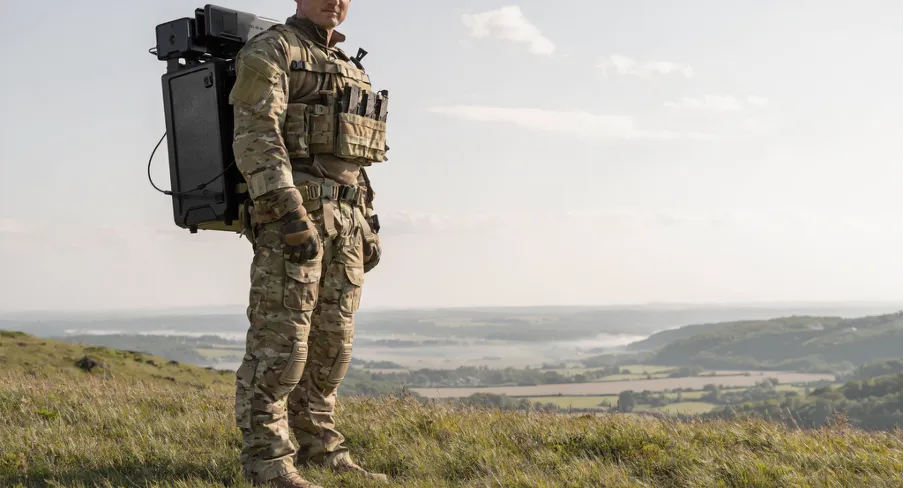
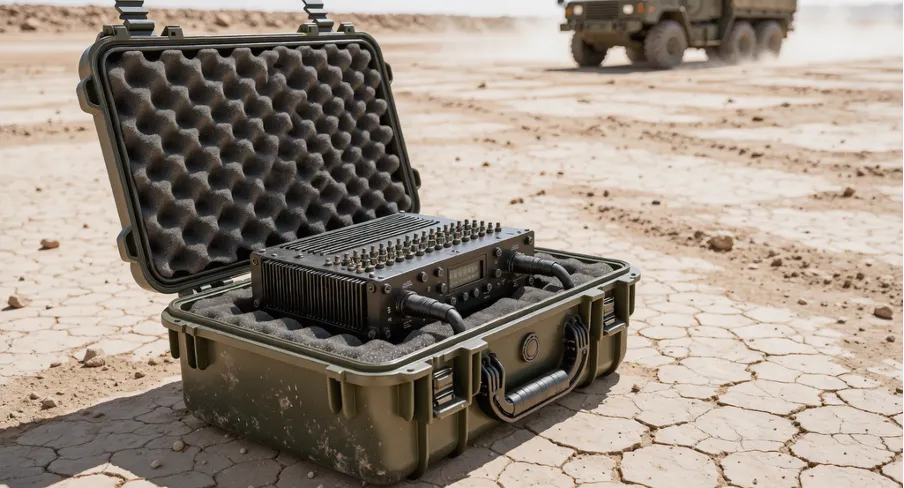
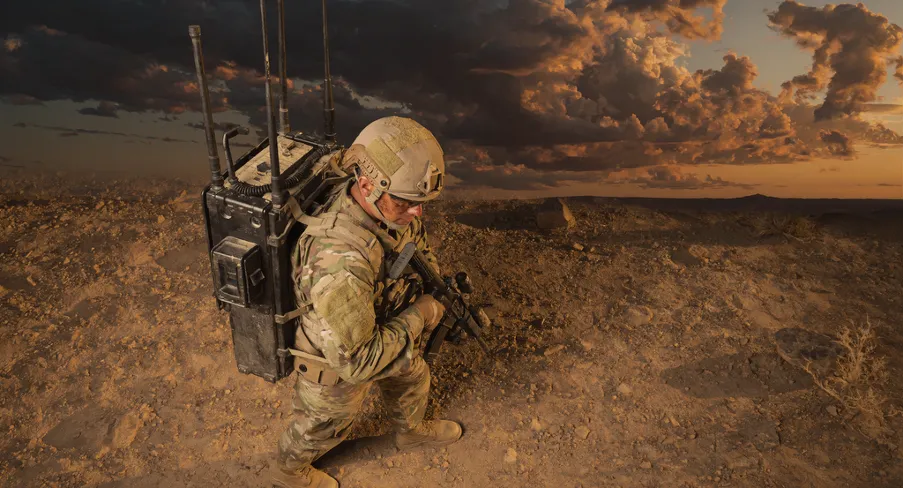
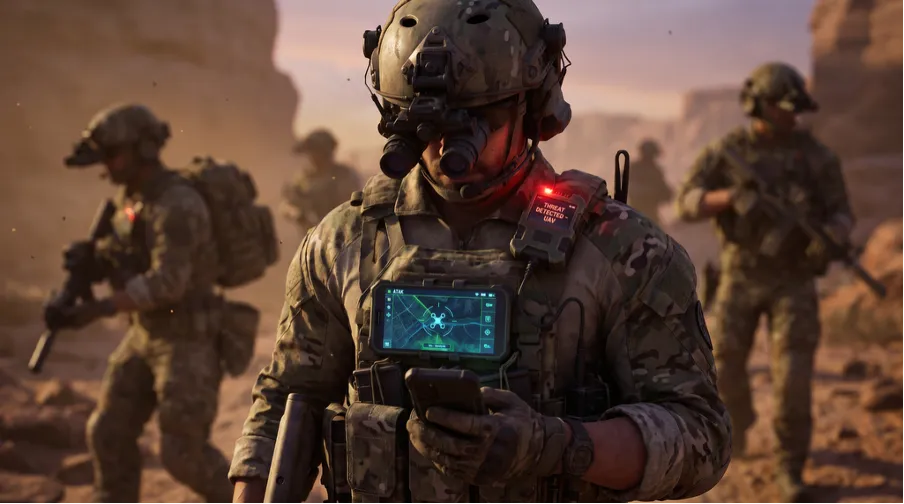
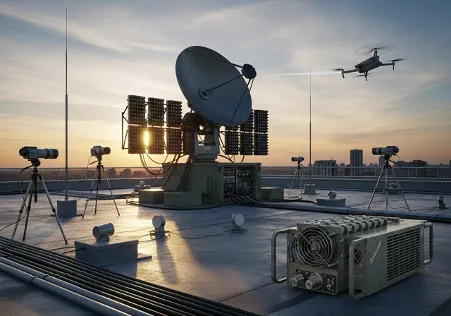
Devices vary significantly in power and range. A high-end cell phone jammer used by the military can silence an entire convoy to prevent roadside bomb detonation. These are sophisticated tools designed for electronic warfare and force protection.
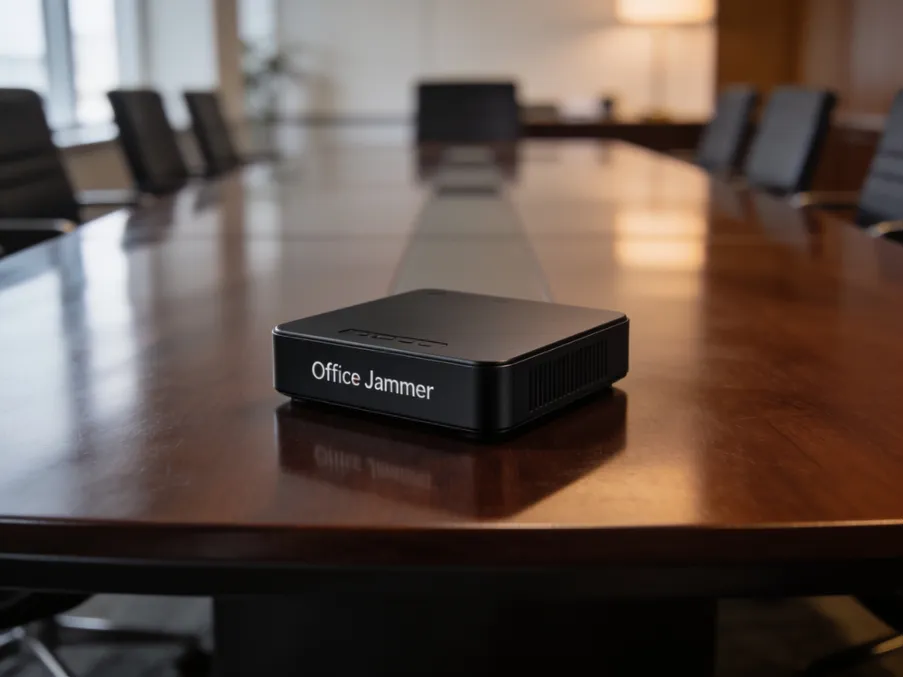
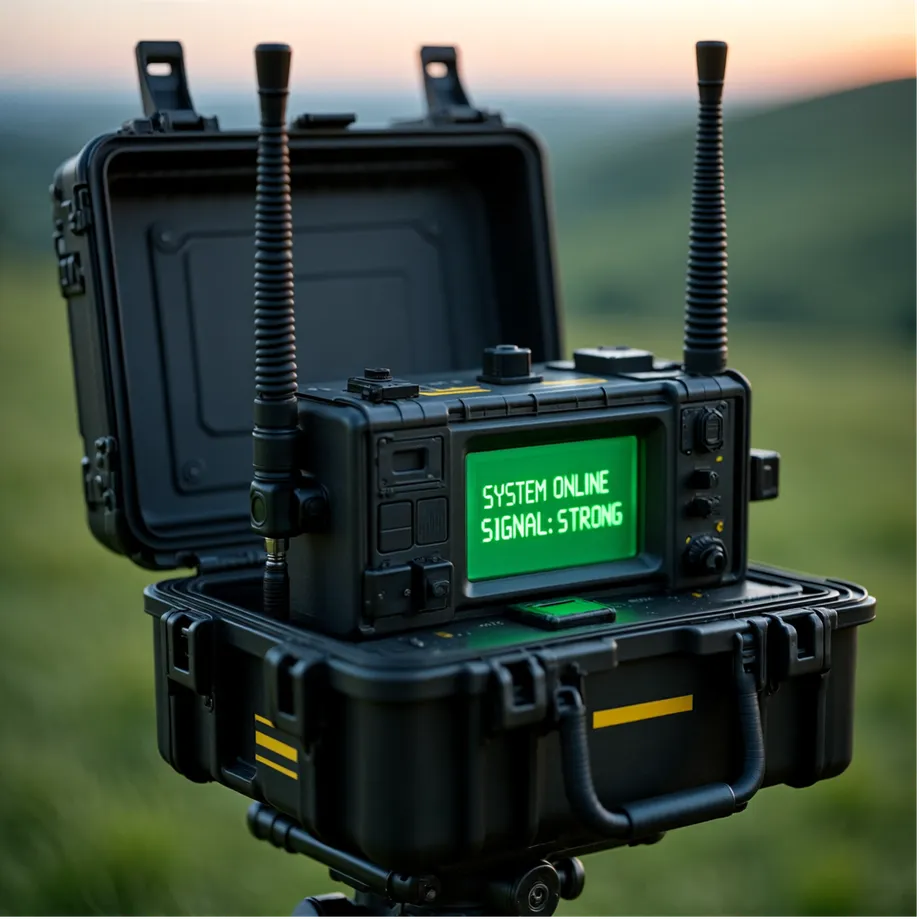
On the civilian black market, you might find a portable cellphone jammer designed to work within a radius of 5 to 10 meters. These are often bought by people wanting quiet in vehicles or offices. Sometimes a teacher might want a cell phone blocker to stop cheating during exams, though this is almost always illegal.
Any active jamming device poses a serious risk to public safety. Because they block all signals, they prevent access to 911 and emergency services. This is the primary reason authorities crack down on them so hard.
General Legal Status
Regulations regarding these devices are incredibly strict globally. When people ask what are jammers allowed to be used for, the answer is usually "nothing" for civilians. Governments view the spectrum as public property that cannot be privately sabotaged.
Unregulated signal jammers cause collateral damage that extends beyond the user's intended target. A device meant to silence a single room can bleed through walls. Because of this, police treat jammers as a threat to public order and safety infrastructure.
Possession alone can be a crime in some regions. In the UK, for instance, owning a unit is technically legal, but using it is a criminal offense. Authorities can track the radio signature of these devices very easily using triangulation.
Country-Specific Regulations
The laws vary, but the trend is prohibition. In the United States, operating a cellular jammer can lead to a fine of up to $112,000 and prison time. Federal law enforcement uses them, but consumer sales are strictly banned under the Communications Act.
In Europe, the rules are equally tight. A mobile signal jammer is illegal across the EU based on commission directives. France notably allowed them in cinemas and theaters for a brief period but banned them completely in 2012.
Here is a breakdown of strict penalties in other regions:
- Australia. Illegal to operate or possess without a specialized carrier license.
- India. Strictly illegal unless you are a security agency or military body.
- Malaysia. Fines up to RM500,000 or five years in jail for offenders.
In countries like Russia, the legal framework is slightly different, where specific use in schools has been discussed. However, indiscriminate use of cell phone jammers remains controlled. Prisons in New Zealand and the UK have specific legal exceptions to stop inmates from communicating.
Practical Limitations and Risks
Even if you ignore the law, the hardware has limits. A cheap phone jammer might block 4G but fail completely against modern 5G frequencies. Technology evolves faster than the blocking hardware can keep up.
Furthermore, you cannot control the range precisely. A simple cell jammer in your apartment could accidentally disable your neighbor's security alarm. You become liable for acting as a network jammer for the entire building.
Finally, using a mobile jammer is an aggressive act. It often escalates conflicts rather than solving them. If you have signal issues or noise complaints, there are legal and polite ways to handle them without committing a federal crime.











































































Trusted Worldwide
Operating in more than 50 countries, we provide cutting-edge defense solutions that ensure your safety to every corner of the globe.
Get Advice From Our Experts
Please complete the feedback form to gain exclusive access to our catalog showcasing models that are not available on our website
We’re here to assist you with any inquiries, support, or information you need. Whether you're interested in our defense products, looking to collaborate, or simply have a question, our team is ready to help.