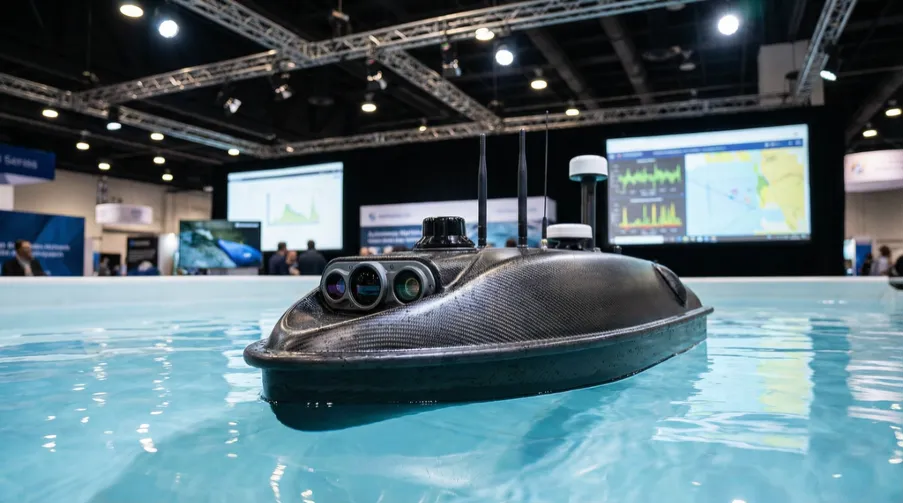
URAV 2026 Conference Guide
Autonomous Systems & UAV Integration
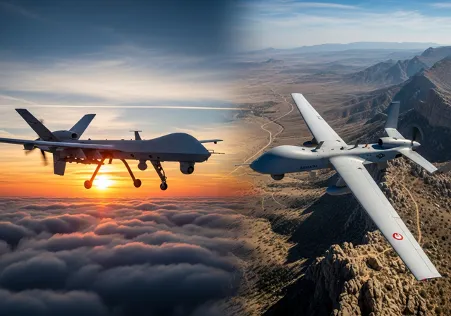
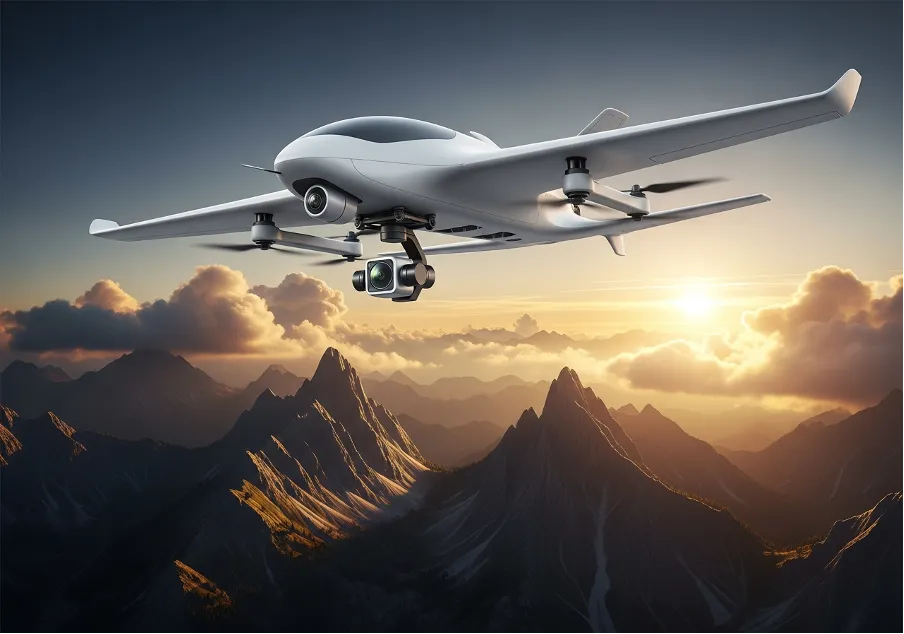
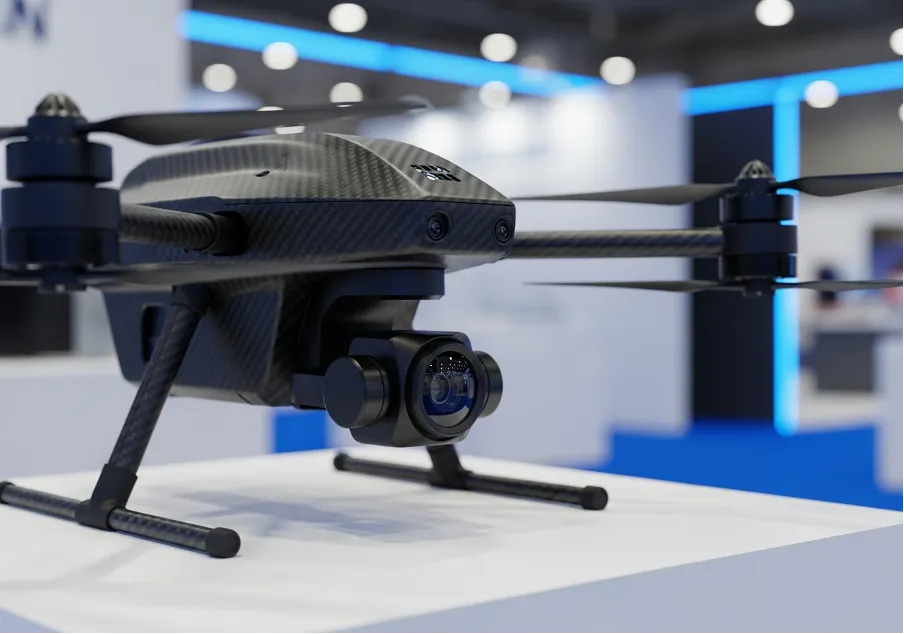
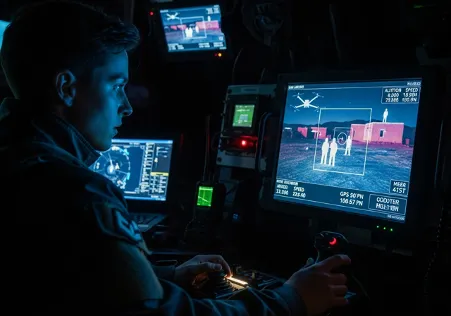
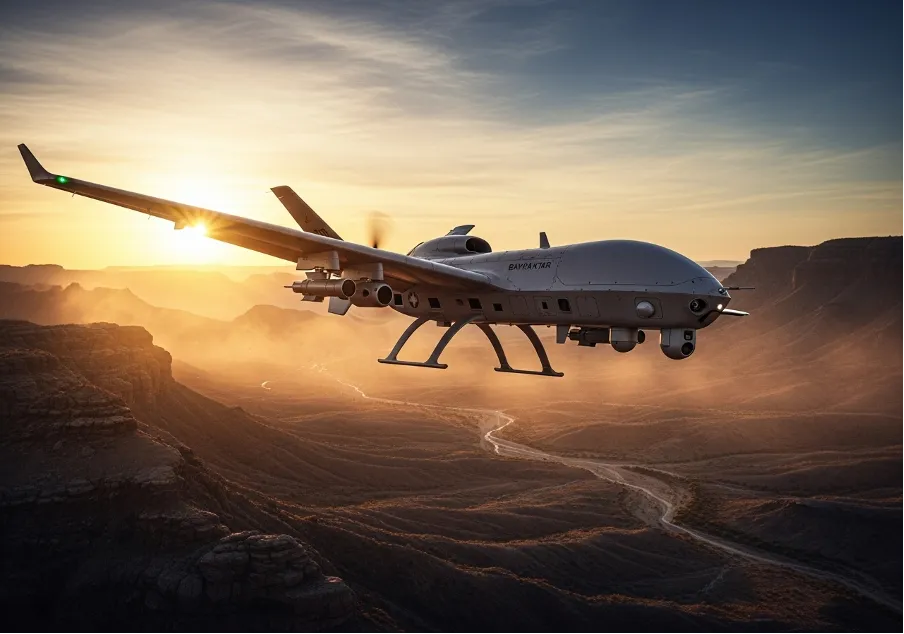
Battlefield and civilian deployment of autonomous systems requires standardized operational frameworks to mitigate collision risks and enhance mission success. Recent conflicts in Israel and Ukraine proved that tactical superiority heavily relies on reliable uav platforms navigating contested airspace under heavy electronic warfare suppression.
The URAV 2026 conference held in Jerusalem addressed these exact hardware integration challenges directly. Engineers, policy makers, and military strategists gathered to align technical specifications with evolving battlefield logistics and civilian mobility requirements.
Threat Analysis and Tactical Adaptation
Conference President Eytan Eshel led the strategic discourse on counter-technology deployments and supply chain optimization. Modern combat scenarios dictate rapid adaptation cycles for every active unmanned system operating across harsh environmental conditions.
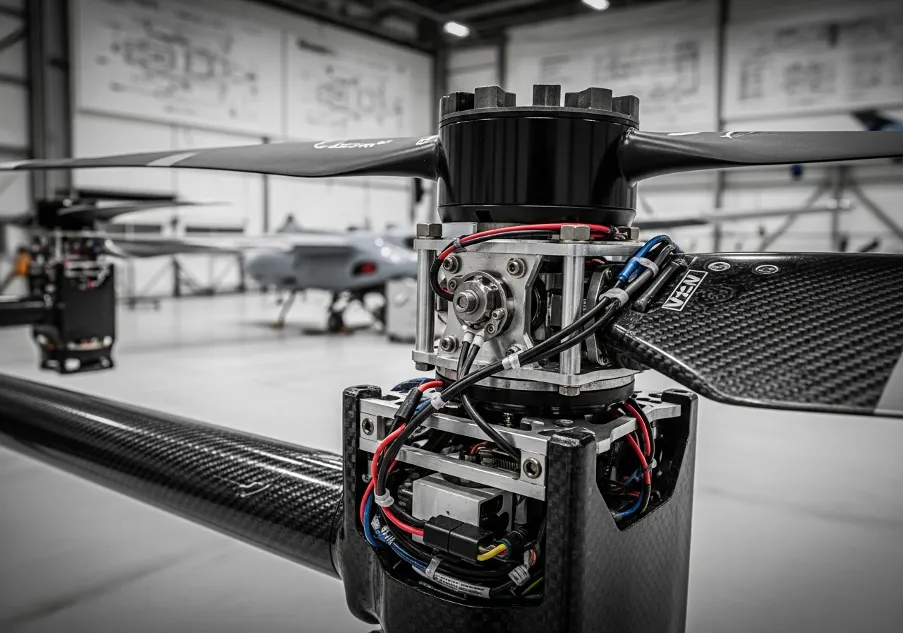
Experts analyze raw telemetry data from recent theaters of operation to refine electric propulsion technologies and payload distribution models. This empirical approach eliminates theoretical guesswork from future autonomous vehicle design and manufacturing pipelines.
Continuous coordination between defense sectors and civilian emergency rescue services establishes a robust foundation for dual-use technology adoption. Technical sessions translate combat-tested resilience into commercial maritime operations and ground fleet management.
Simulation Environments and Spatial Tracking
High-fidelity digital twin environments accelerate the development of complex autonomous fleets prior to physical hardware prototyping. Integrators deploy software architectures identical to those used by simlat to create zero-risk operator training scenarios for extreme flight conditions.
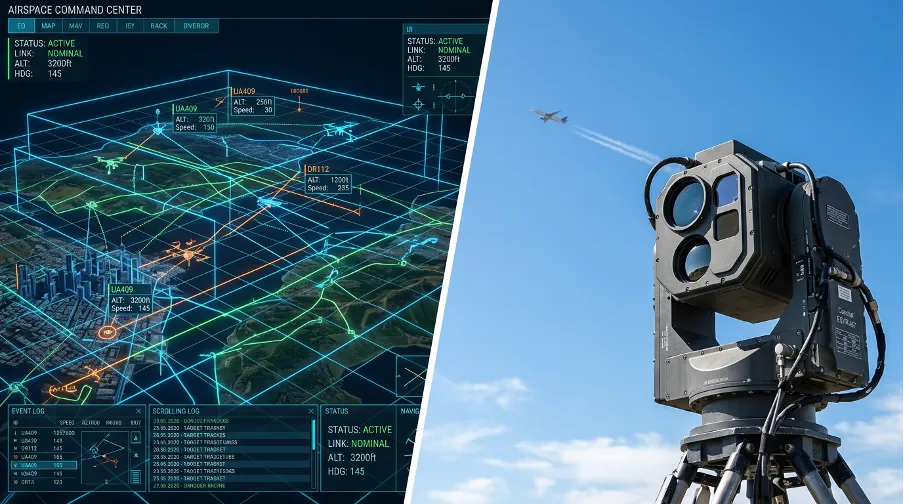
Rigorous mission planning demands precise positional data gathering and optical tracking under adverse weather conditions. Advanced optical systems akin to sixdof space technology ensure microsecond-level coordinate verification during high-speed aerial maneuvers.
Engineers evaluate several primary parameters during simulated stress tests:
- payload weight distribution algorithms across asymmetrical airframes;
- propulsion system thermal management under continuous high-torque load;
- communication link stability amidst severe radio frequency jamming.
Designers utilize these simulation metrics to validate structural integrity and aerodynamic efficiency without expending costly hardware resources. The resulting data streams directly influence subsequent manufacturing iterations and firmware updates.
Pioneer Contributions and Defense Industry Standards
The global unmanned vehicle sector rests upon foundational engineering breakthroughs established by early aerospace visionaries. Architectures conceived by david harari during his tenure at iai israel remain the structural blueprint for modern long-endurance reconnaissance platforms.
Current generation military autonomous systems inherit these core operational doctrines while introducing decentralized swarm intelligence protocols. Present-day manufacturers integrate legacy reliability metrics into next-generation tactical hardware to maintain operational continuity.
Key components adapted from early aerospace designs feature:
- redundant flight control modules for uninterrupted fail-safe operations;
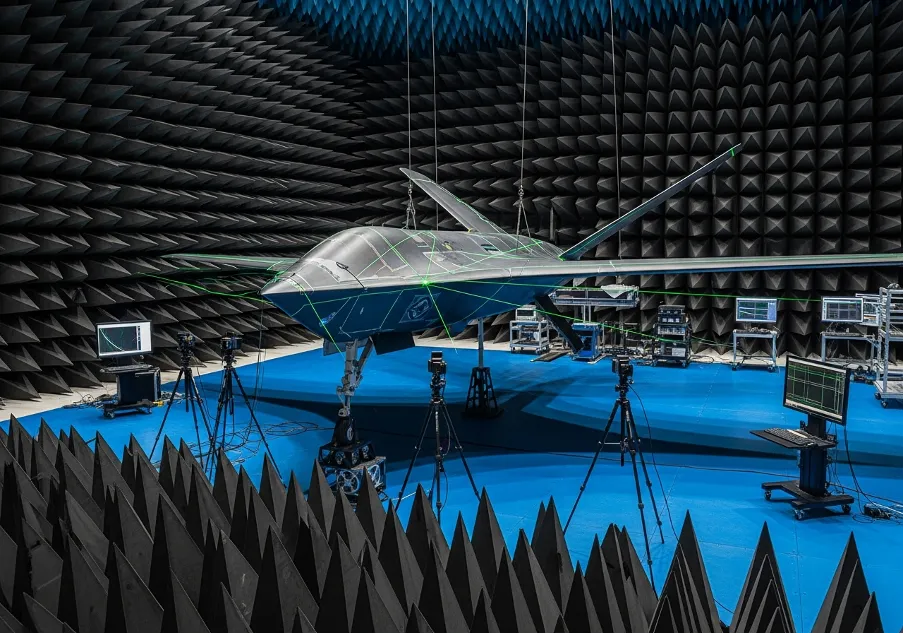
- composite material fuselage structures designed to reduce radar cross-sections;
- autonomous return-to-base navigation pathways triggered by signal loss.
Modern battlefield integration requires seamless interoperability between these upgraded aerial platforms and ground-based tactical units. Co-chairs Vered Haimovich and Dieter Moormann moderated sessions focused on maintaining strict hardware compatibility across diverse operational domains.
Civilian Expansion and Maritime Automation
Autonomous technology rapidly penetrates civilian infrastructure, pushing regulators to establish clear national drone initiatives. Tal Fogelman from Nanovel Ltd outlined the commercial transition from experimental agricultural robotics to standardized «smart transportation» grids.
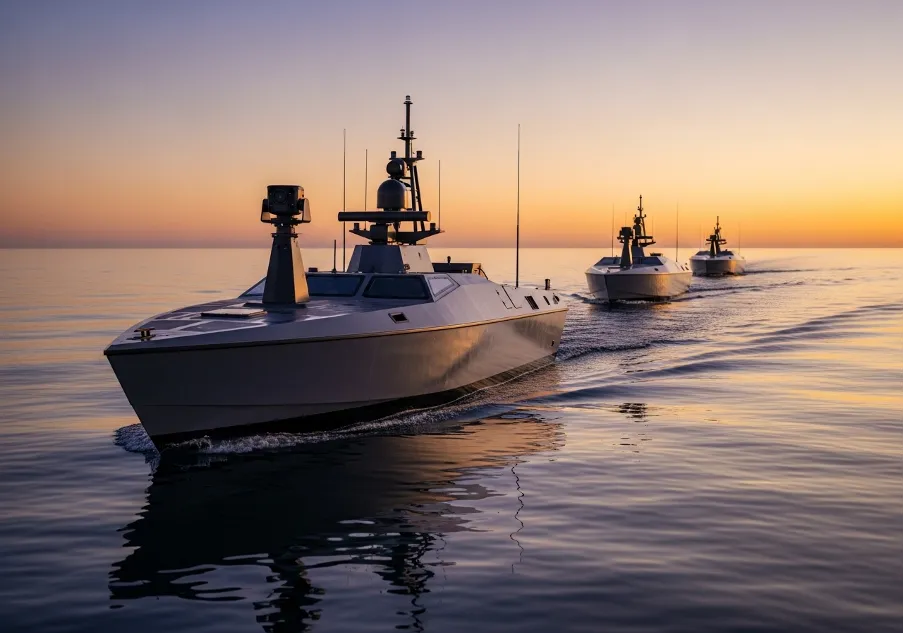
Waterborne logistics face specific navigational obstacles requiring specialized sensor arrays resistant to corrosive marine environments. The deployment of a dedicated wuav fleet optimizes underwater pipeline inspections and surface harbor patrols without risking human divers.
Conference panels focused on bridging the regulatory gap between autonomous taxis navigating urban centers and automated cargo vessels crossing international waters. Standardizing international policy remains critical for scaling these civilian autonomous operations globally without legal friction.
Venue Logistics and Delegate Registration
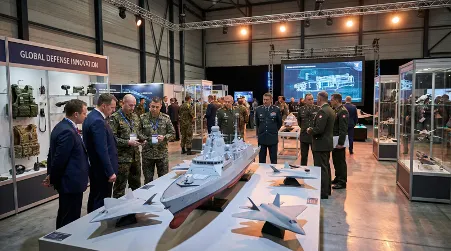
The ICC Jerusalem - International Convention Center hosted all technical sessions from February 15 to 17. The Paragon Team structured the daily schedule to run from 6:00 PM to 5:00 PM, incorporating intensive hardware showcases and executive networking intervals.
Participation required early registration before December 17 to secure base pricing tiers for all technical tracks. Financial commitments scaled from 350 to 600 NIS for local attendees and from 250 to 290 Euro for international delegates seeking full venue access.
URAV 2026 consolidated fragmented autonomous research into a cohesive industrial standard spanning defense, civilian, and maritime applications. Stakeholders left equipped with actionable engineering frameworks and verified supply chain contacts necessary to deploy next-generation unmanned systems effectively across all operational sectors.















































Trusted Worldwide
Operating in more than 50 countries, we provide cutting-edge defense solutions that ensure your safety to every corner of the globe.
Get Advice From Our Experts
Please complete the feedback form to gain exclusive access to our catalog showcasing models that are not available on our website
We’re here to assist you with any inquiries, support, or information you need. Whether you're interested in our defense products, looking to collaborate, or simply have a question, our team is ready to help.