
Wireless Observability with AI - Spectrum Monitoring Explained on the PRO-WOP Platform
PRO-WOP combines distributed RF sensors, edge processing and machine learning to detect known, unknown and anomalous emitters across borders, airports and critical sites.
The radio spectrum around a border post, an airport or a government building has become as crowded as the airspace above it: drones, telemetry, radios, phones and Wi-Fi transmit constantly, and hostile use rarely announces itself. "Wireless observability" is the security industry's answer - continuous, automated watching of the spectrum instead of occasional manual surveys. ProDefence describes PRO-WOP as an AI-driven platform of this kind, combining RF and wireless-network sensing with machine learning to identify both known and previously unknown emitters.
What exactly does such a platform observe, what does machine learning add to signal analysis, and how should a claim like "identifying unknown emitters" be read? This overview walks through the architecture and the evaluation questions, using the vendor's published description as the reference point.
The spectrum is crowded - and rarely watched
A professional signal survey used to mean a van, an engineer and a rotating antenna: a snapshot of one place at one moment. The problem is that modern emitters do not pose for snapshots - a drone control link appears for minutes, a hidden transmitter bursts at night, and a jammer works precisely when someone wants the picture dark. Continuous observability replaces the snapshot with a permanent record, and automation replaces the engineer's eyes with software that never blinks.
The realistic target list of such platforms is broad and mostly unspectacular - which is exactly the point:
- Drone control and video links, often hopping or disguised as ordinary Wi-Fi.
- Hidden transmitters - bugs, covert cameras and unauthorized beacons on protected territory.
- Rogue wireless infrastructure - fake access points and unauthorized base stations near a perimeter.
- Jammers and interference sources that degrade navigation or communication.
- Unscheduled telemetry, radios and data links that break the normal pattern of a site.
- Unknown or modified emitters that match no library entry at all.
ProDefence's description of PRO-WOP covers this list in function words: analysis, decoding and fingerprinting of RF signals, anomaly detection and classification of emitters - known and unknown. The last item is the decisive one, and it is worth understanding properly.
Architecture: distributed sensors, edge processing, one dashboard
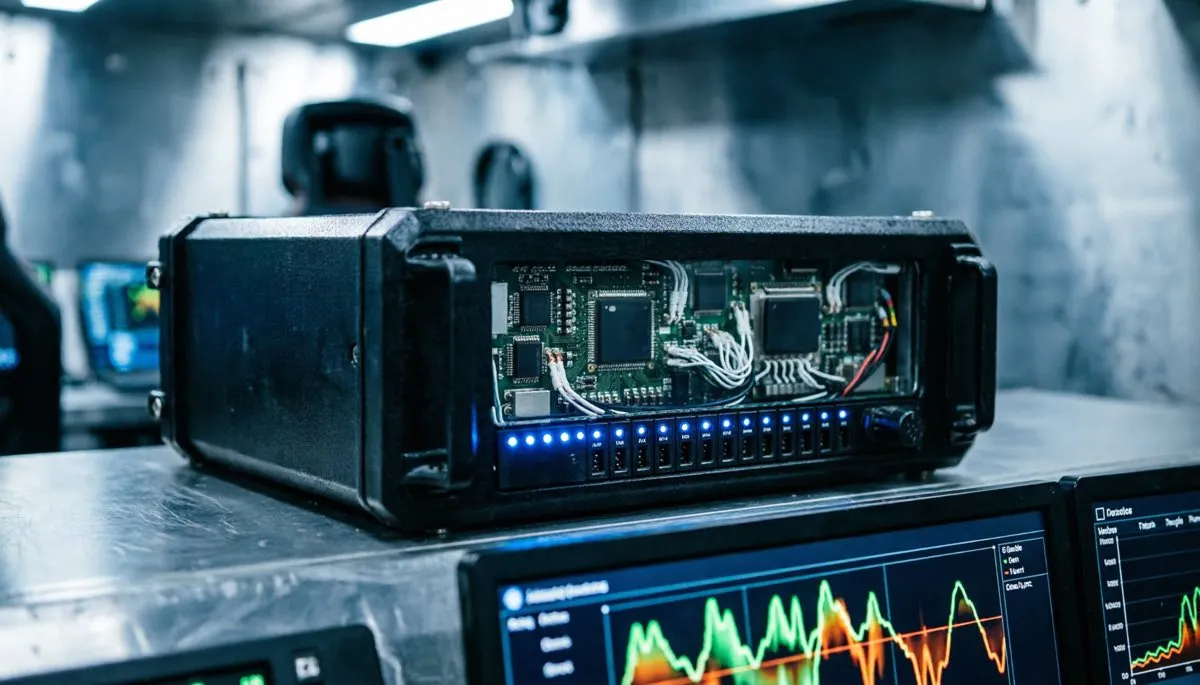
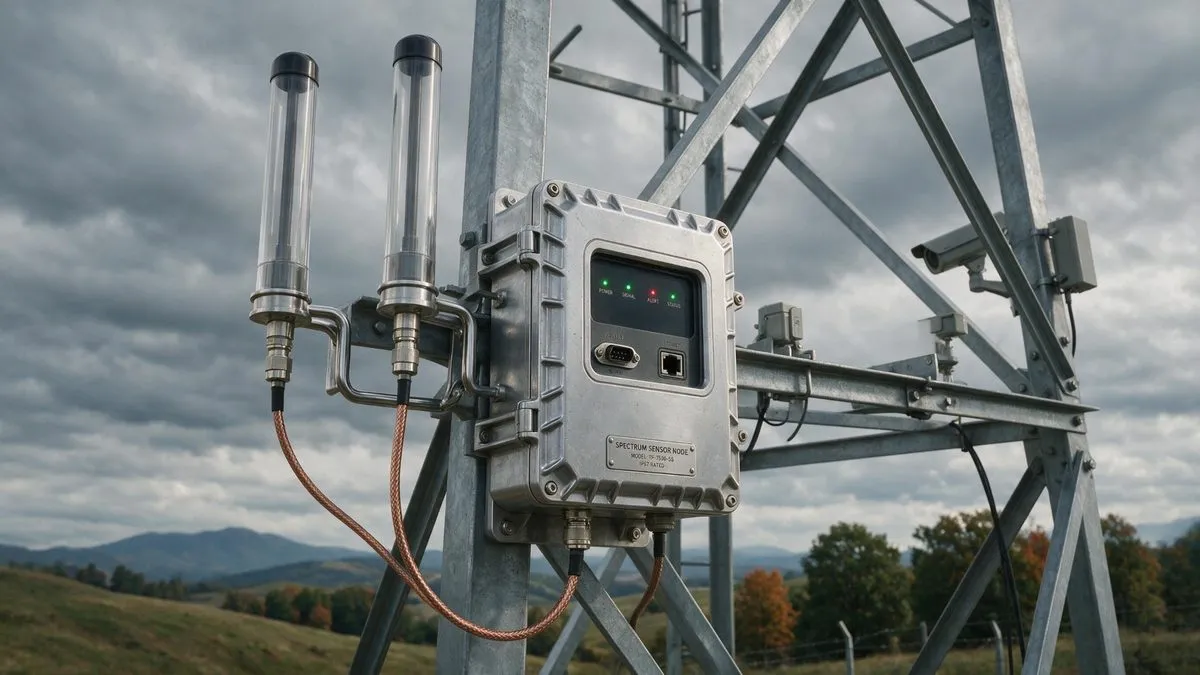
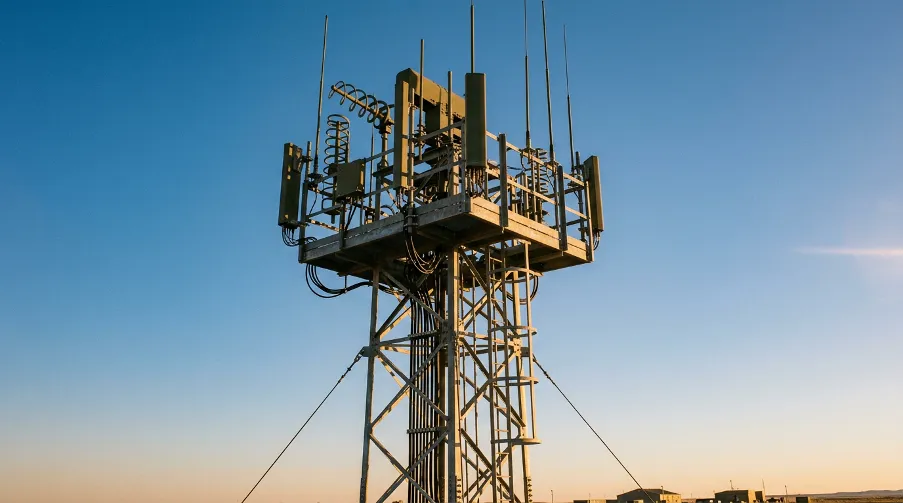
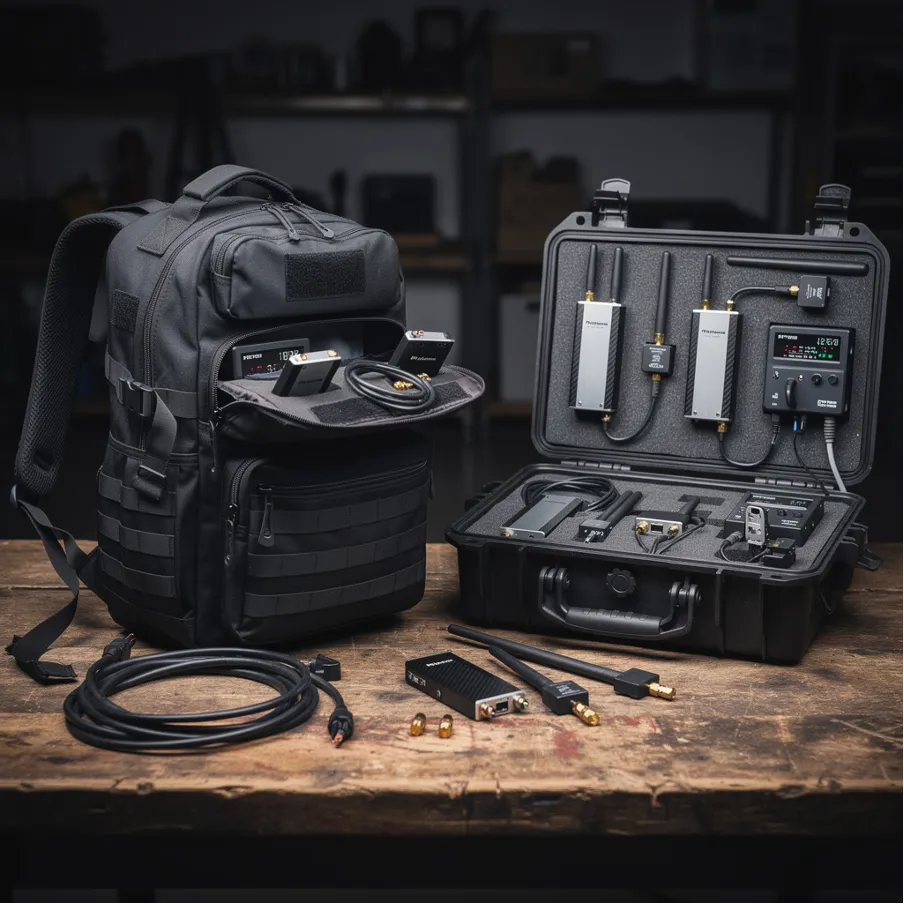
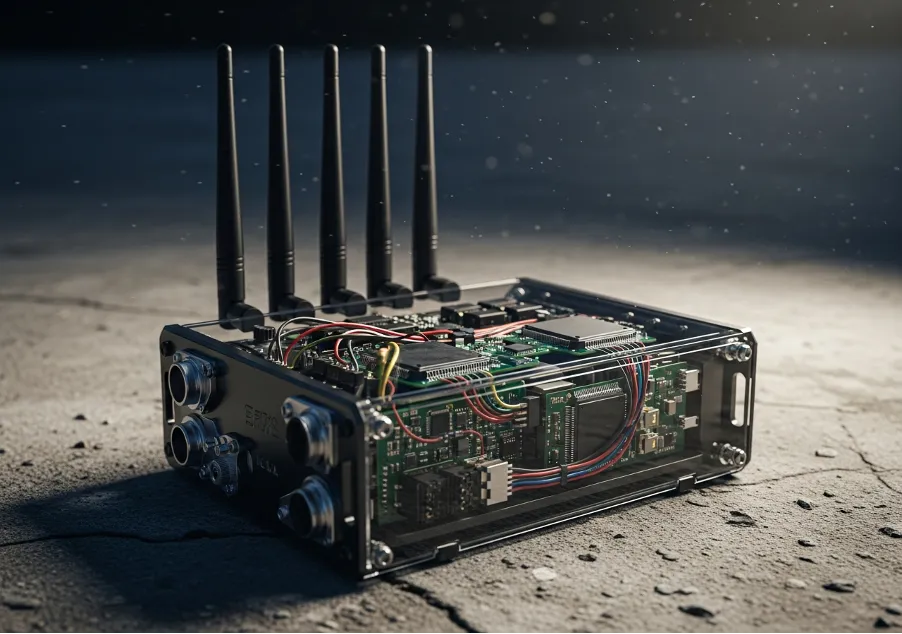
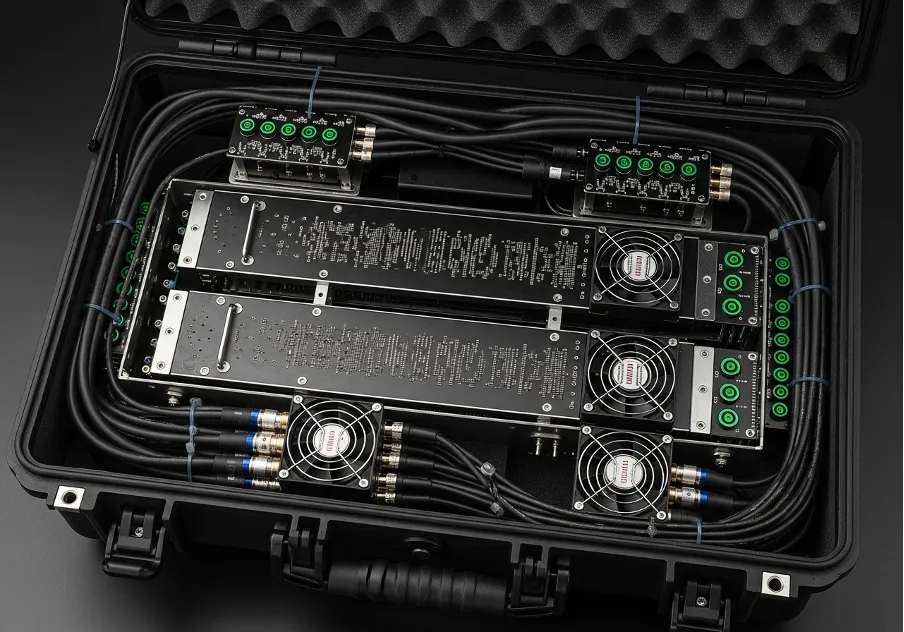
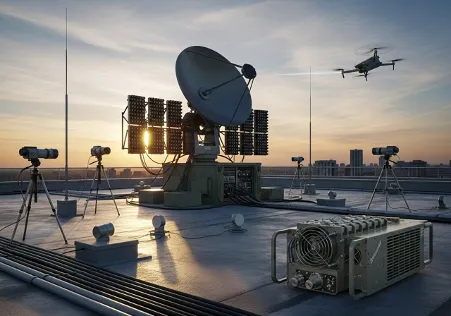
The platform follows the architecture that has become standard for wide-area RF monitoring. At the edge, distributed sensor nodes digitize the spectrum, perform first-stage analysis - decoding what can be decoded, extracting signal characteristics - and send compact results upstream instead of raw radio. That edge processing is what makes a many-sensor network practical: raw spectrum from dozens of points would drown any central link, while fingerprints and event records travel lightly.
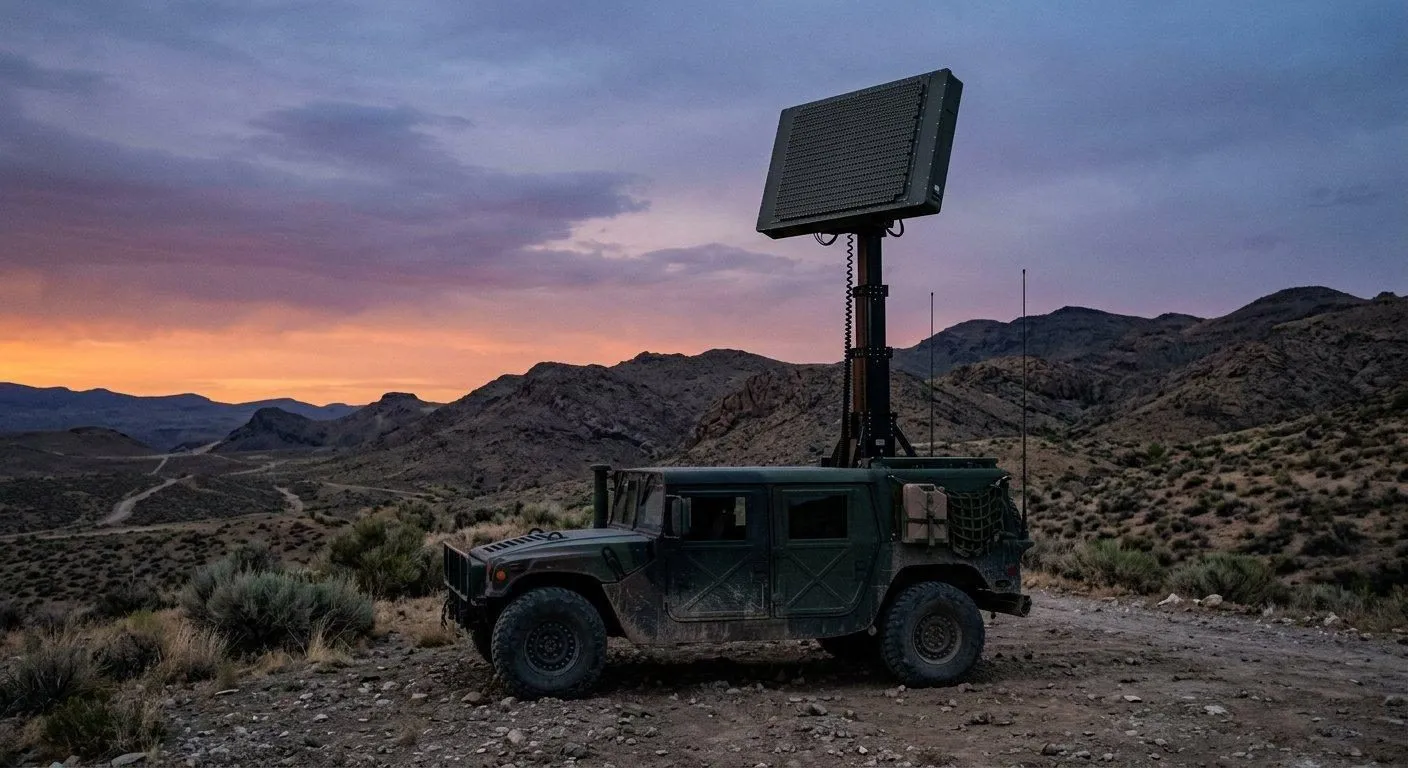
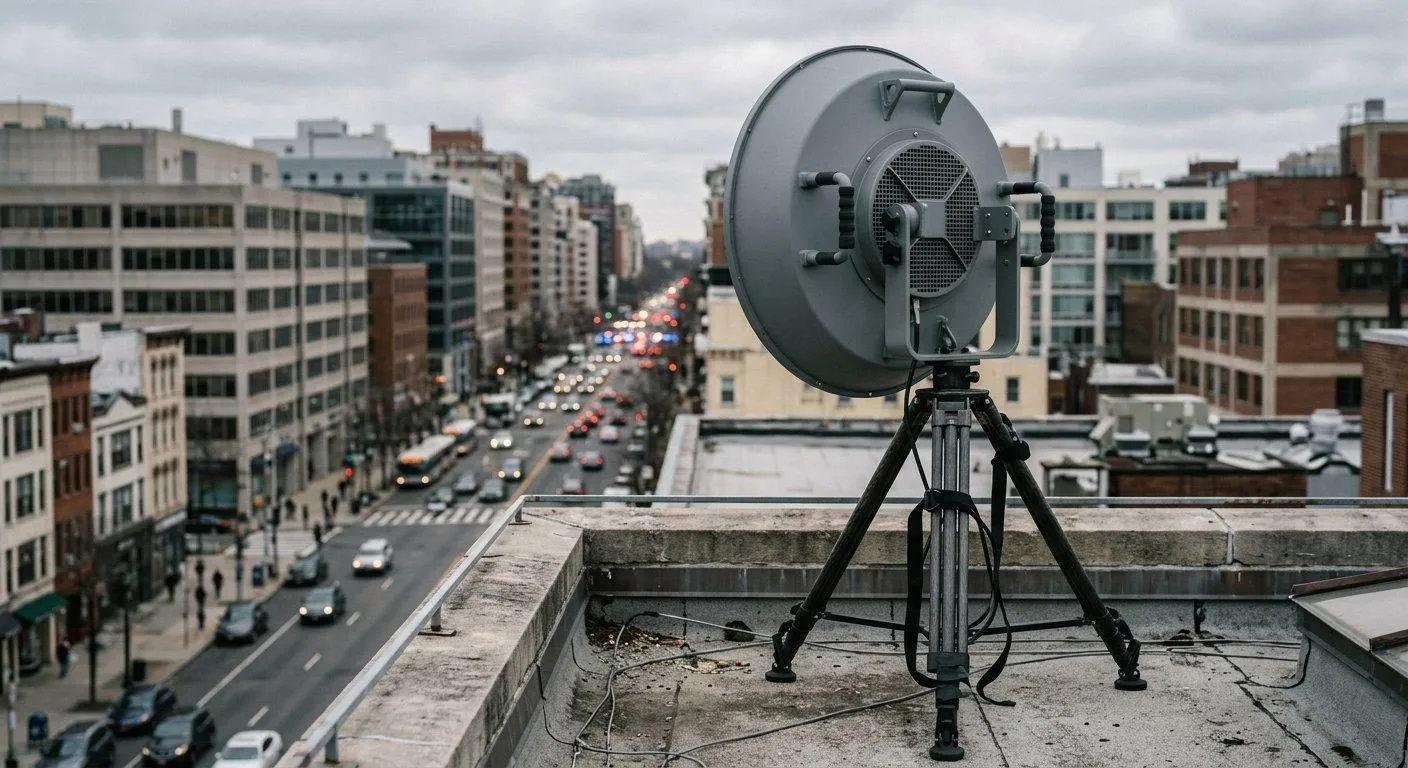
Centralized processing then does the integrative work, as the vendor describes: continuous monitoring, alerting and forensic analysis through one dashboard. The division of labor is the design statement - sensors answer "what is transmitting here now", the center answers "is that normal, has it been seen before, and where else is it present." For border and site applications this maps naturally onto geography: sensors spread along terrain or rooftops, one correlated picture for the operator.
What does machine learning add to signal analysis?
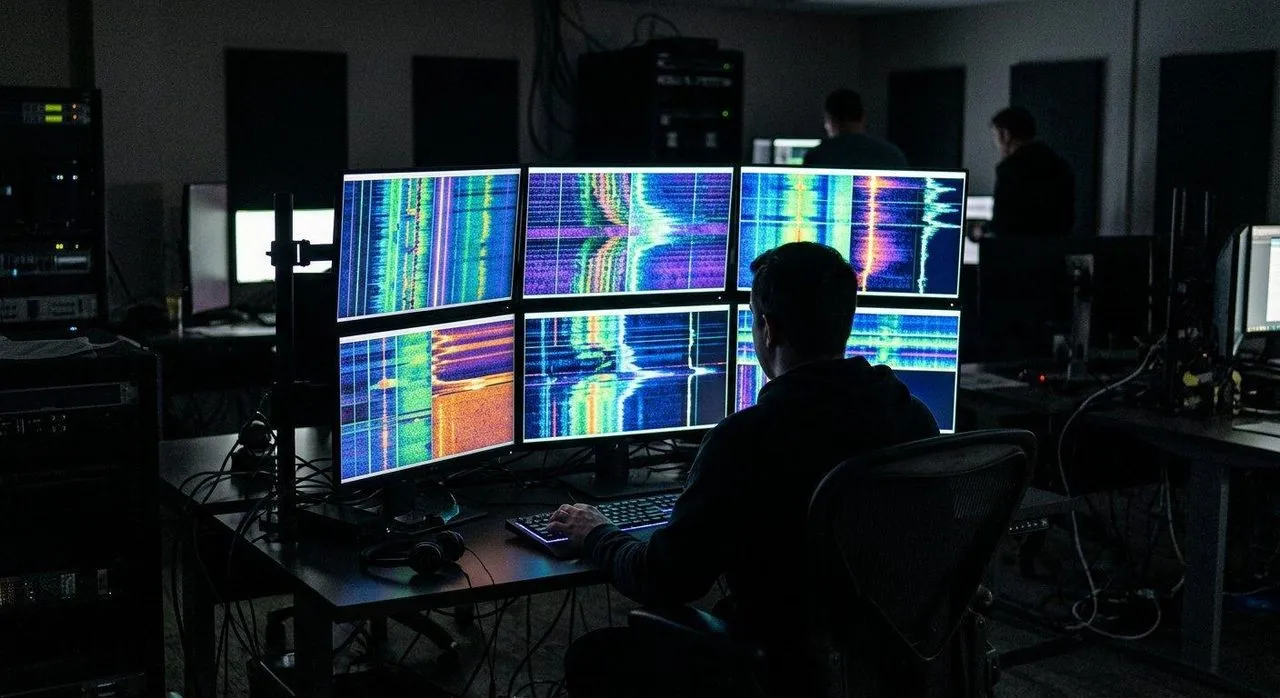
Three tasks in this pipeline are learning problems rather than fixed-rule problems. Fingerprinting identifies a specific emitter or model family by fine-grained signal features - modulation shape, timing behavior, spectral edges - even when it claims to be something ordinary. Anomaly detection learns the normal population of a site and flags what does not belong, which is how "unknown emitter" claims should be read: not identifying a device nobody on Earth has seen, but recognizing that a signal behaves unlike anything in the library and unlike the site's baseline. The vendor's mention of image processing points to the third: treating spectrograms as pictures, where detection and classification borrow the machinery of computer vision.
ProDefence also states that the platform reduces the expertise required from operators. That claim deserves a realistic reading: software can indeed turn spectrum watching from a craft into a supervised task, surfacing curated events instead of waterfalls. What it cannot remove is judgment about what an alarm means operationally - a new emitter near a fence can be a smuggled drone controller or a visitor's fitness tracker, and escalation rules remain a human responsibility. Evaluations should therefore measure capture rate and consistency - the vendor's own words - on live trials: how many planted emitters the system catches, and how many false alarms a real site generates per sensor-day.
From anomaly to evidence: the monitoring workflow
The operational loop of an observability platform is best told as one event. A node registers a signal that does not match the baseline - a drone link, say, in a rural sector. Edge processing extracts its fingerprint; the center checks libraries and history; a confidence-scored alert appears on the dashboard with location and time. The signal's parameters and, where lawful, its content-relevant metadata go to the archive, so that a second appearance - tomorrow, or at another sensor - is instantly recognized as the same visitor. That accumulation is what the vendor calls forensic analysis and efficient data management.
The forensic angle is less visible than live alerting but often more valuable. A continuous archive reconstructs who transmitted, where and when, weeks after the fact - the difference between knowing that a drone visited the border and proving a repeating pattern behind it. It also underpins accountability: when an alert is disputed, recorded evidence, not a watch officer's memory, decides.

Who needs spectrum observability - and how should it be judged?
The natural users span both sides of security: border and critical-site protection, airports and prisons hunting drone links, spectrum regulators and TSCM teams looking for unauthorized transmitters, and counter-drone complexes that need an RF layer beside radar. Across those users, the judging criteria are stable:
- Frequency coverage and instantaneous bandwidth per node - what slice of the spectrum is actually watched.
- Sensor density assumptions - what range per node the coverage math relies on.
- Library breadth and the update mechanism: how new emitter fingerprints enter, and who maintains them.
- Measured capture rate and false-alarm rate on live site trials, not lab signals.
- Data handling - retention, export, audit trails, and how metadata is protected.
- Openness: APIs and formats for feeding alerts into existing command systems.
PRO-WOP's published profile - distributed edge sensing, centralized AI correlation, dashboards and forensics, lower operator-skill requirements - is the current template of the class, and the checklist above is how any specific implementation of that template should be examined. The worth of such a platform is decided not by the size of its library on day one but by how transparently it reports what it caught, what it missed, and what it did not understand.
























































































Trusted Worldwide
Operating in more than 50 countries, we provide cutting-edge defense solutions that ensure your safety to every corner of the globe.
Get Advice From Our Experts
Please complete the feedback form to gain exclusive access to our catalog showcasing models that are not available on our website
We’re here to assist you with any inquiries, support, or information you need. Whether you're interested in our defense products, looking to collaborate, or simply have a question, our team is ready to help.