Remote Acoustic Intelligence - How Laser Listening Works, and Where PRO-LASERINT Fits
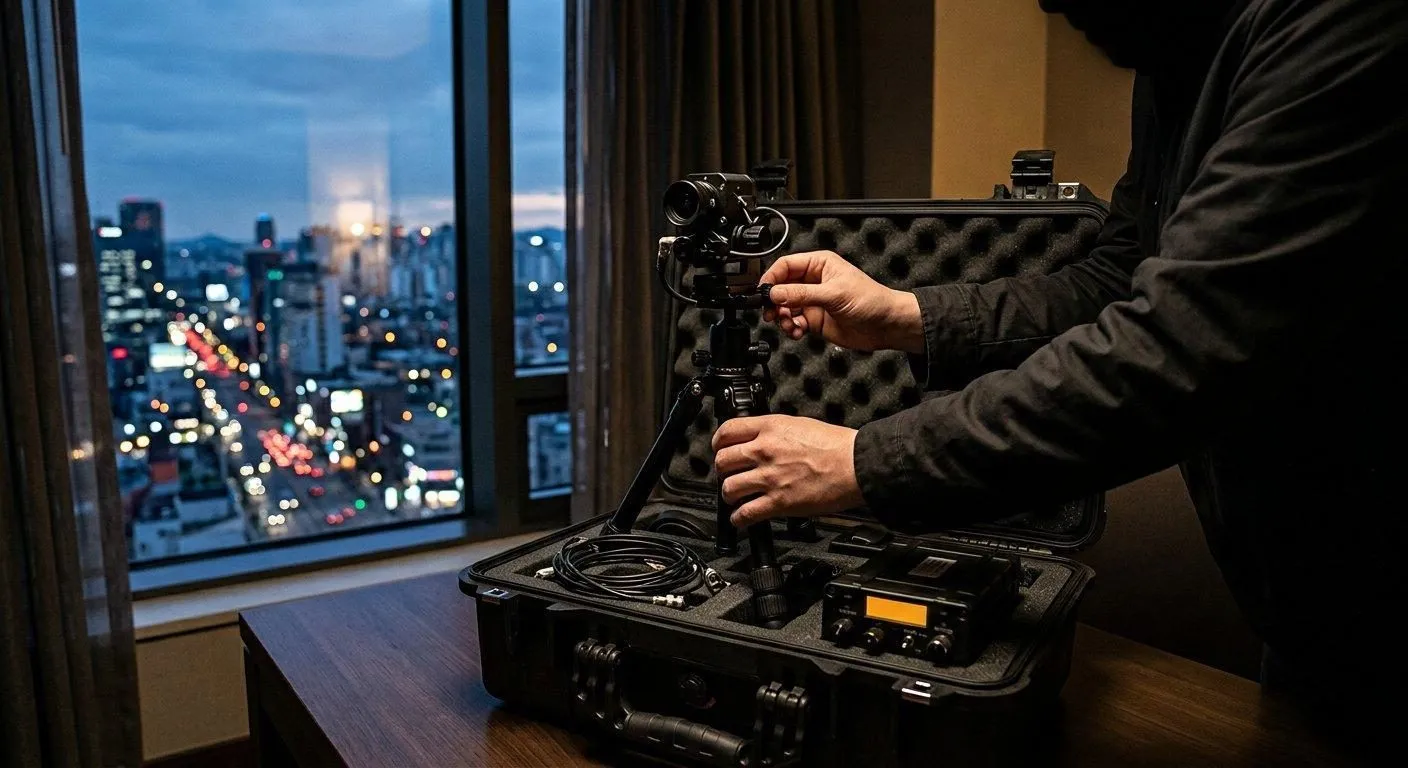
PRO-LASERINT applies laser audio surveillance to recover speech through window glass at 30 to 300 meters, combining portable design with broad surface compatibility.
Laser audio surveillance is one of the oldest ideas of technical intelligence: glass, plastic and metal surfaces vibrate when people speak near them, and an optical beam can read that vibration from outside, without any microphone entering the room. What has changed across the decades is not the principle but the packaging - laboratory interferometers have turned into portable field kits. ProDefence describes PRO-LASERINT as a third-generation system of this class and publishes only headline parameters: a working distance of 30 to 300 meters, a compact design, long battery life and a wide range of compatible surfaces.
This overview explains how remote acoustic intelligence works, reads the vendor's published claims against the physics of the method, and lists the questions a professional user - or a security team auditing its own exposure - would ask. It is descriptive rather than promotional: detailed specifications of such equipment are normally disclosed only under non-disclosure agreements, and its lawful use is tightly regulated in most countries.
What remote acoustic intelligence means
Remote acoustic intelligence is the collection of speech and sound from a closed space without placing any sensor inside it. The family is broader than one device class: it includes parabolic and shotgun microphones that work in open air, microwave and radar vibrometry that reads surfaces with radio waves, and the optical branch to which PRO-LASERINT belongs - laser systems that measure microscopic vibration of a surface and convert it back into audio.
The optical branch is the most precise and the most demanding. It does not amplify sound; it reconstructs sound from the movement of matter. Because nothing is planted in the target room, there is no bug to find during a sweep - which is why counter-intelligence teams study the method even if they never operate it. The typical users named for this class of equipment are lawful interception units, intelligence and counter-intelligence services, and security auditors testing how exposed their own meeting rooms are. ProDefence places PRO-LASERINT in its enhanced situational awareness portfolio, which fits that profile: the product page presents it as a covert collection tool rather than a consumer gadget.
How a laser microphone hears through glass
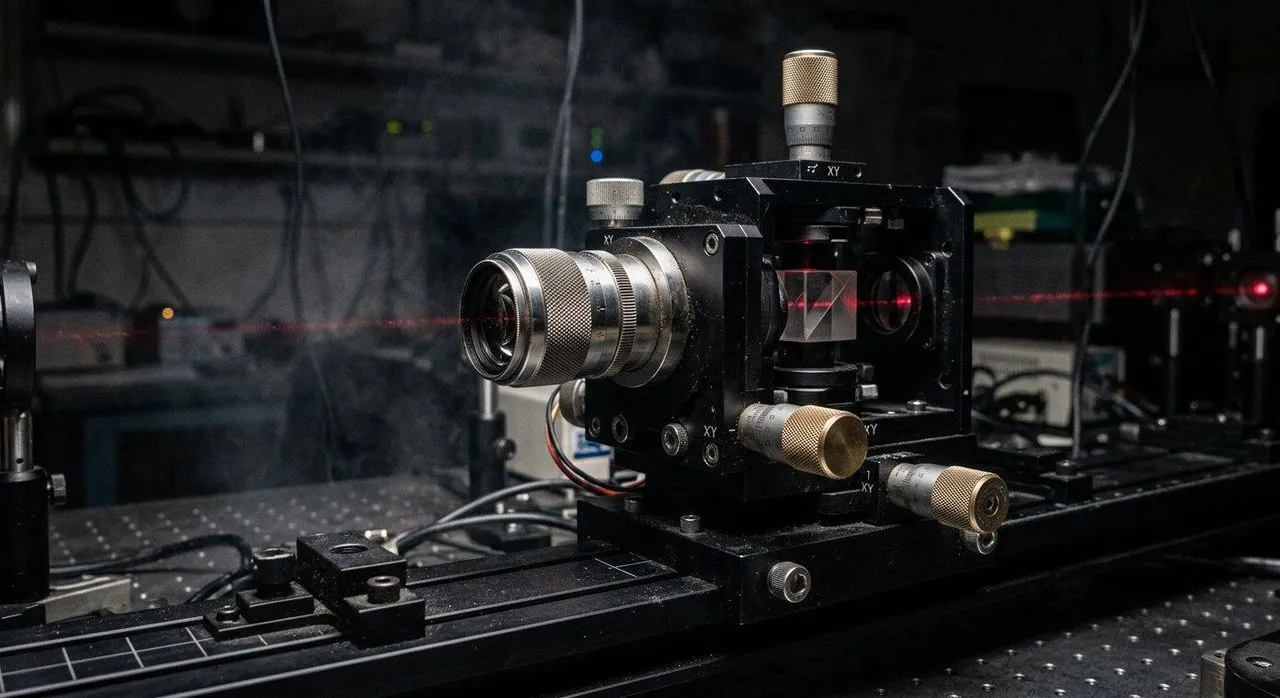
Human speech exerts pressure on a window pane measured in pascals, and the pane answers with displacement measured in micrometers - far too small to see, but well within the reach of optical interferometry. A laser microphone illuminates a tiny spot on the glass; the reflected beam carries a phase and frequency shift proportional to the surface motion; a receiver compares the returning light with a reference and turns the optical shift into an electrical signal. After filtering, that signal reproduces the pressure wave that moved the glass - in other words, the voice inside the room.
The working chain in the field is therefore: find a suitable reflective surface, aim and focus the beam, stabilize the platform, and listen. Every step has its own failure modes, and the published figures should be read with that in mind. The vendor's 30 to 300 meter window is consistent with the physics of the class: below tens of meters geometry and safety margins become awkward, while towards a few hundred meters only favorable surfaces, steady air and a skilled operator keep the signal usable. The dramatic variable between the two ends is not power but noise - wind, traffic and building vibration all write their own signal onto the same glass.
What does the third generation change?
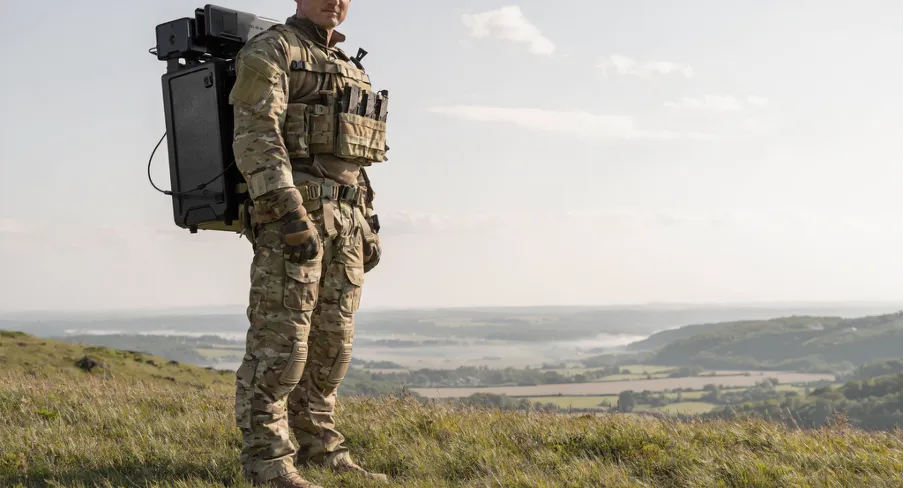
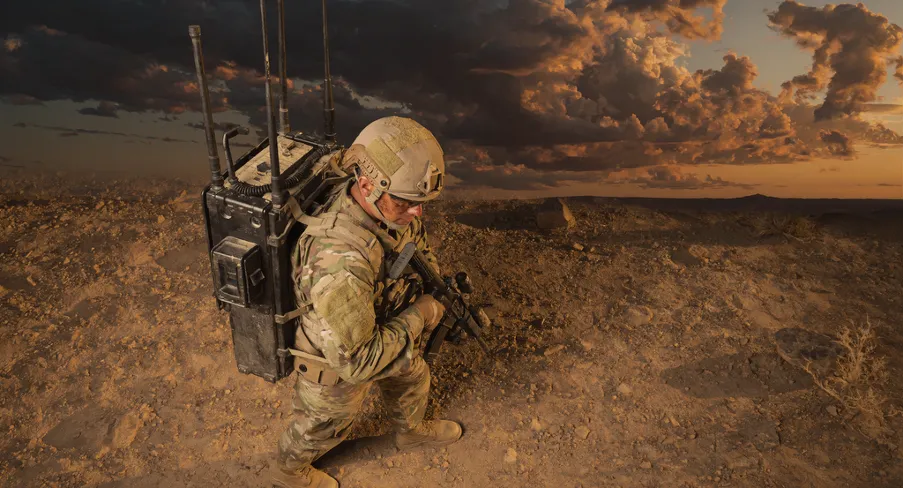
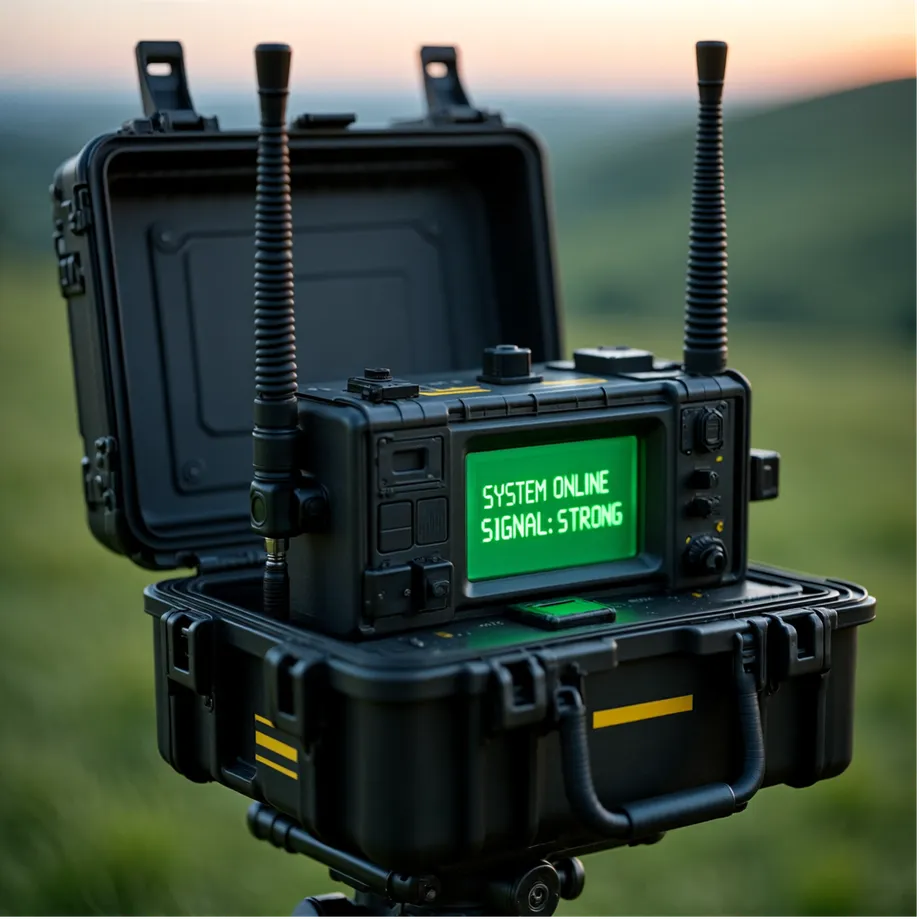
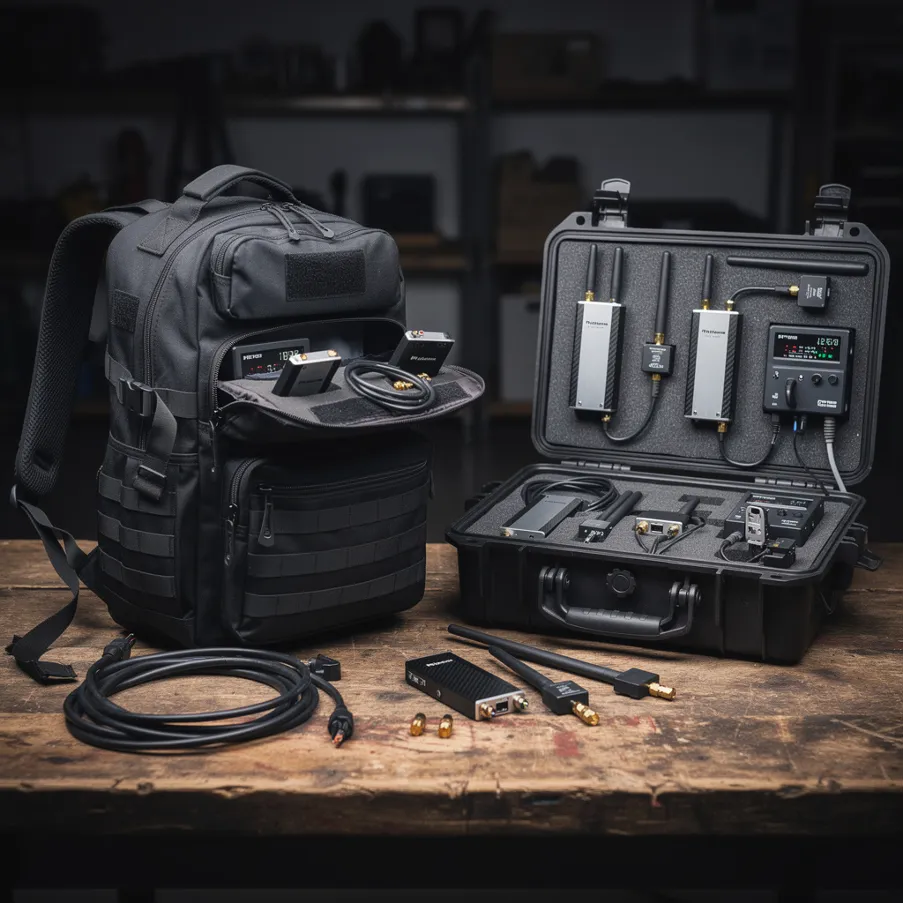
ProDefence calls PRO-LASERINT a third-generation system and supports that label with three claims: compact design, long battery life and a wide range of compatible surfaces. Each claim maps onto a real historical limitation. Early laser listening setups were laboratory interferometers on tripods, dependent on mains power and, in the worst case, on cooperative reflectors; the second generation moved the optics into transit cases but kept the setup ritual. Portability at the level the vendor describes implies a single-case kit that one operator can carry, deploy and repoint quickly, with autonomy measured in hours rather than minutes.
The third claim - surface compatibility - matters more than it sounds. A method built on reflected light is hostage to the target surface, and generations of devices differed largely in how forgiving they were about dark glass, angled panes, painted metal or plastic panels. A wider surface list expands the set of situations in which the method works at all. What no generation changes is the foundation: the technique still needs line of sight, a stable platform and a surface that actually carries the voice. The packaging evolves; the physics does not.
Where does laser listening work - and where does it fail?
The favorable case is well documented across the class: a quiet conversation in a room behind ordinary single glass, a moderate distance with a near-normal beam angle, a calm night with little traffic. Parked vehicles and lightweight panels can also carry voice well. The unfavorable case is just as consistent: double glazing with damping interlayers, heavy curtains behind the pane, wind shaking the facade, rain, street works, a ventilation unit bolted to the wall - each of these writes noise into the same measurement. Any competent seller of such a system, asked directly, will confirm this spread, because it follows from the measurement principle itself.
The practical list of success factors looks like this:
- Surface type and mounting - plain glass responds; laminated acoustic glass and heavy drapes absorb.
- Distance and incidence angle - reflection strength and geometry define how much signal reaches the receiver.
- Background vibration - wind, traffic, elevators and machinery compete with speech on the same surface.
- Weather - rain, fog and heat shimmer degrade the optical path.
- Operator skill - aiming, focusing and choosing the reflection point are manual crafts.
- Countermeasures at the target - active window vibrators and sound masking can bury the signal.
Legal frame, countermeasures and vendor questions
In most jurisdictions, intercepting speech is a privilege of state agencies acting under warrant or an equivalent regime, and equipment built for it is traded under dual-use export controls. For a private party, pointing such a device at someone's window is, in effect, illegal interception almost everywhere. Protection, however, is legal and comparatively cheap: the countermeasure market exists precisely because the physics is understood.
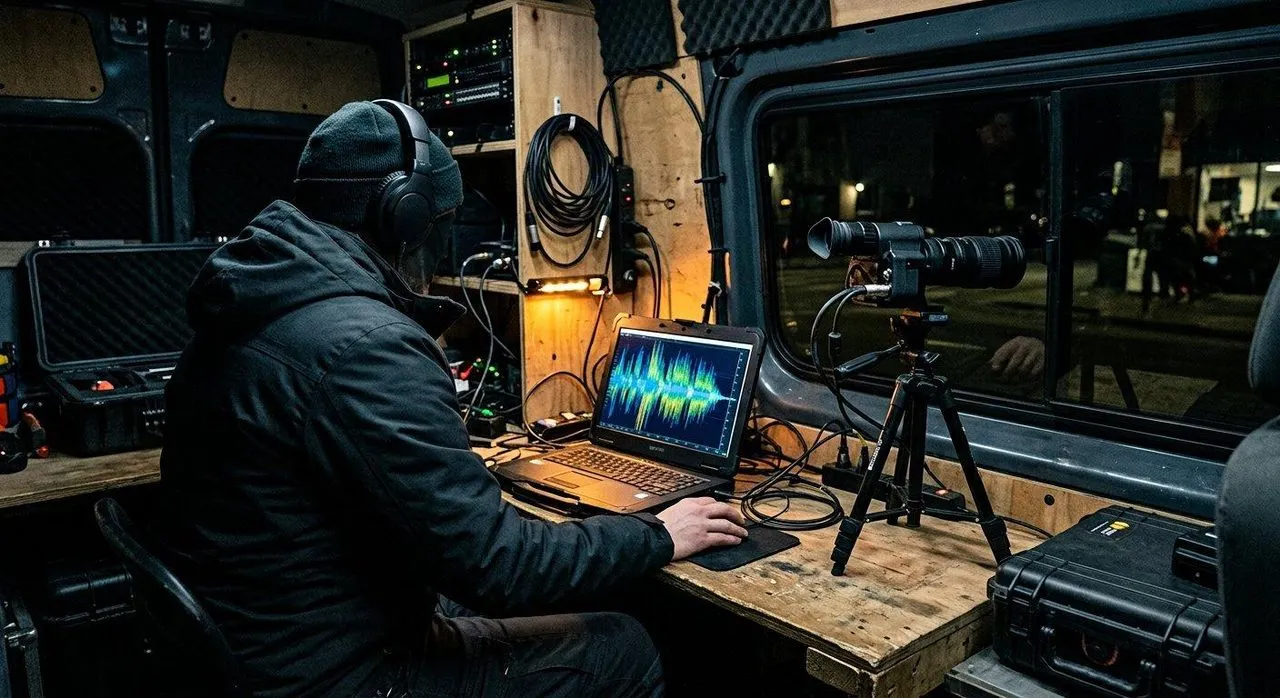
Standard countermeasures include active vibrators that shake the pane with noise, sound masking inside the room, films that spoil the reflection, and periodic TSCM sweeps that model the building's exposure from likely firing positions. For organizations evaluating systems of this class - for audit or authorized use - the questions that separate a serious instrument from a demonstration toy are:
- What effective range is achieved on real customer surfaces - ordinary office glass - not on laboratory reflectors?
- How does the receiver handle dark, angled or thin surfaces, and what surfaces are confirmed as compatible?
- What filtering is included for wind, traffic and building hum, and can it be duplicated in recording for court-grade evidence?
- How long do setup, recalibration and repointing take in the field?
- What is written to logs - audio, aim data, timestamps - and how is the chain of custody protected?
- Which laser safety class is the emitter certified to, and what training is included?
Laser listening remains a niche instrument of state structures, and its real-world value is defined less by the headline range than by how honestly a system handles the noisy middle of that range. A third-generation package that is portable, battery-powered and tolerant of surfaces - as ProDefence describes PRO-LASERINT - removes the logistical barriers of older kits, but the limits written by glass, wind and law do not move. Understanding those limits is what separates a realistic capability from an expensive demonstration.



































Trusted Worldwide
Operating in more than 50 countries, we provide cutting-edge defense solutions that ensure your safety to every corner of the globe.
Get Advice From Our Experts
Please complete the feedback form to gain exclusive access to our catalog showcasing models that are not available on our website
We’re here to assist you with any inquiries, support, or information you need. Whether you're interested in our defense products, looking to collaborate, or simply have a question, our team is ready to help.