
Anti Drone System Essentials
Selecting the Best Drone Detector for Security
Airspace security has shifted from a futuristic concept to an immediate necessity for facility managers. When a rogue UAV breaches a secure perimeter, deploying a reliable anti drone system becomes the only variable that separates a minor nuisance from a critical security failure. The market is flooded with gadgets, but only a few distinct technologies actually work in real-world scenarios.
Identifying the threat happens seconds before mitigation, leaving zero margin for error. Without reliable drone detection protocols in place, security teams are essentially blind, scanning the sky for a silent, plastic object moving at forty miles per hour. The following analysis breaks down the five most effective categories of detection hardware available today.
Radio Frequency Analyzers
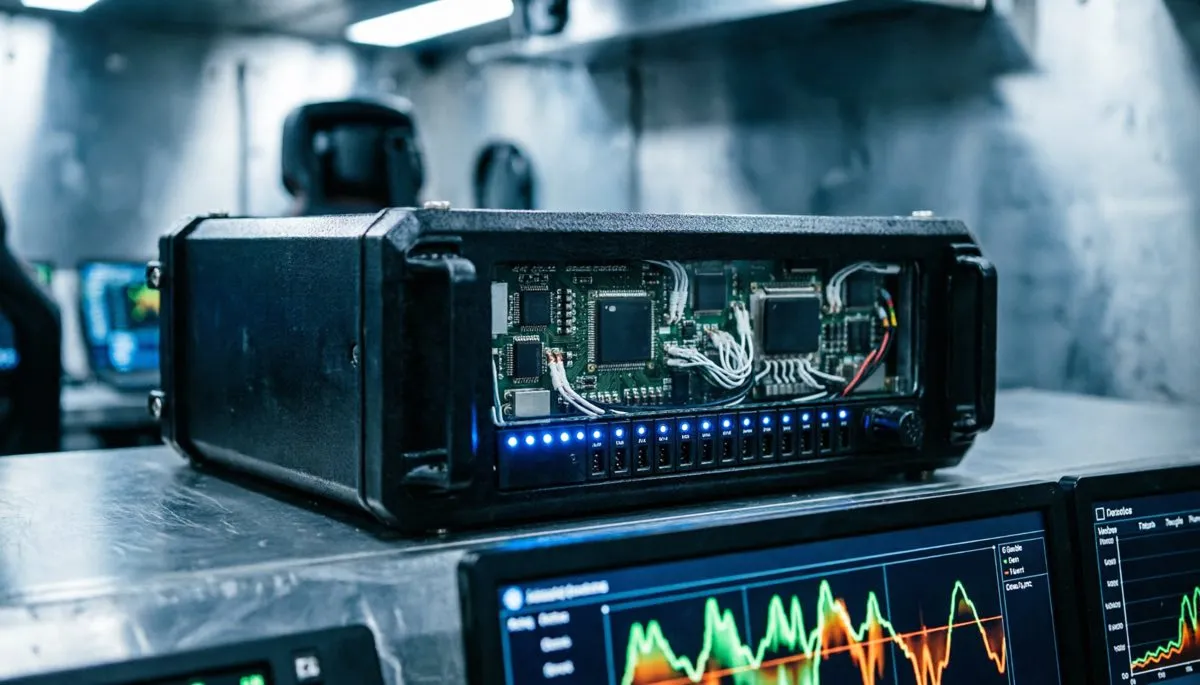
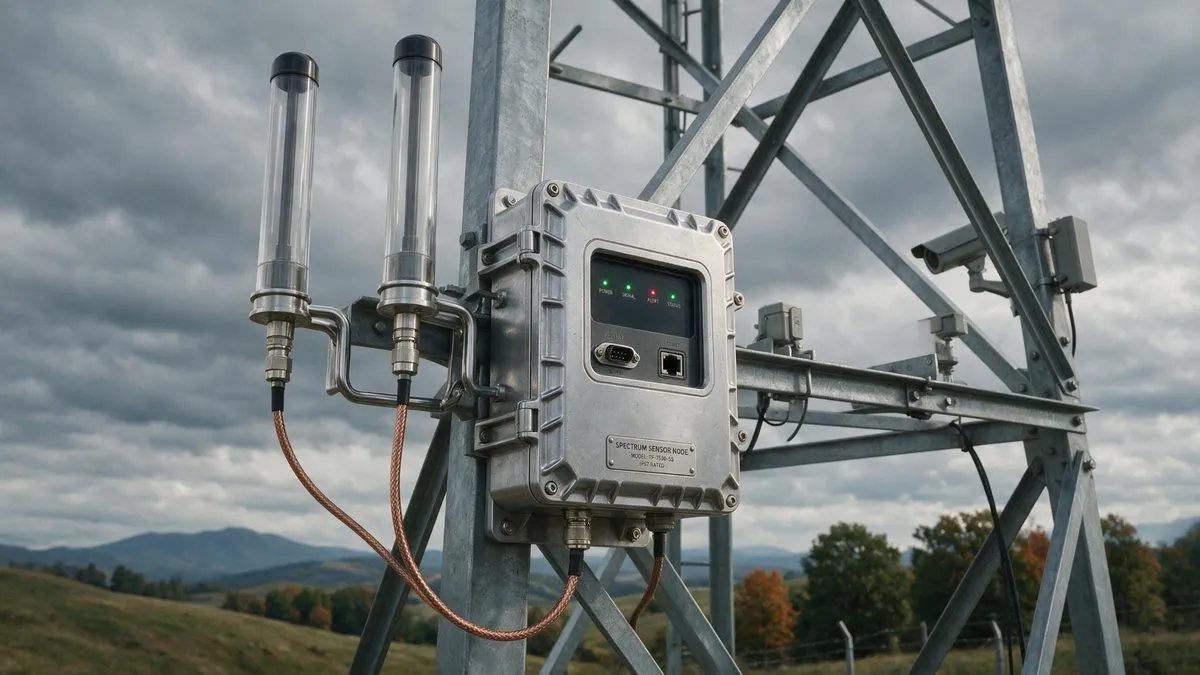
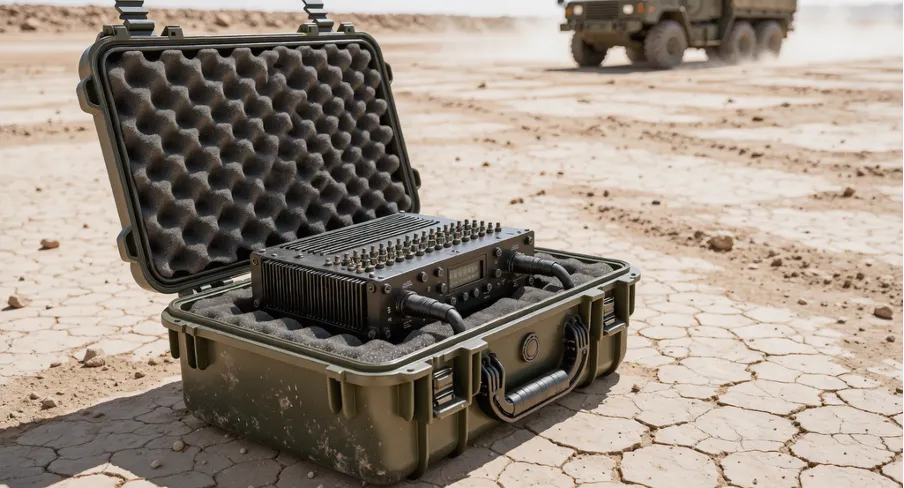
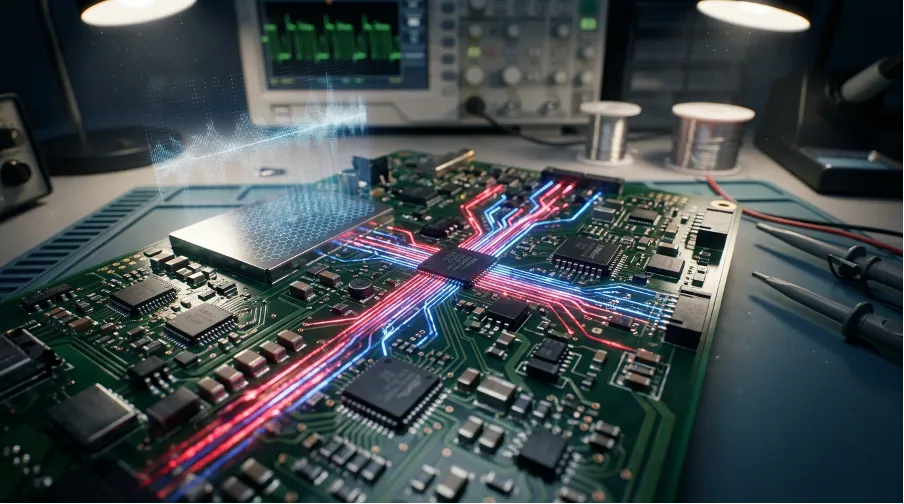
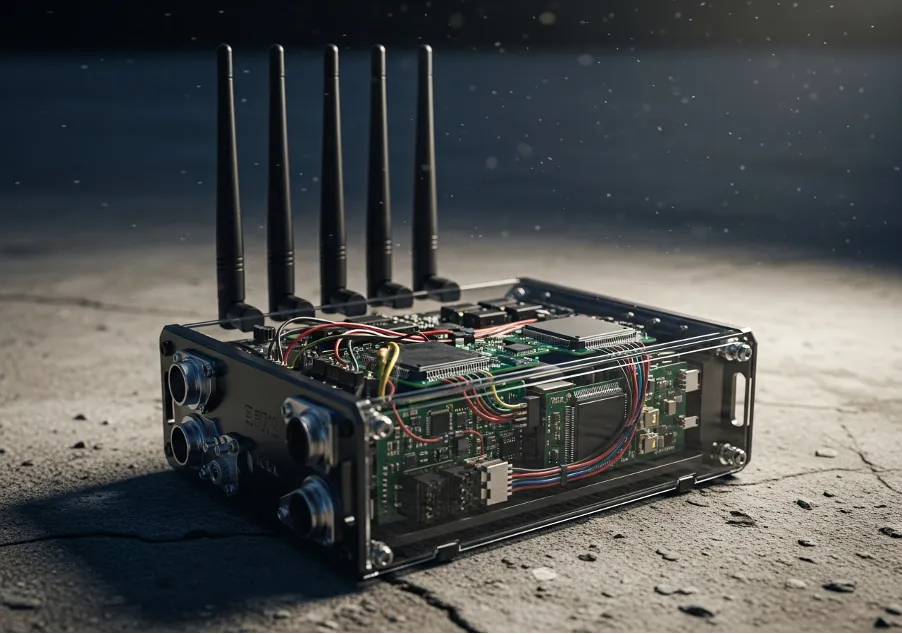
RF sensors are the backbone of most surveillance setups because they track the communication link. They listen for the handshake between the pilot and the bird, and a solid anti drone strategy often begins with these capabilities:
- scanning for known commercial frequencies and protocols;
- logging the unique mac address for forensic evidence;
- triangulating the approximate pilot location relative to the sensor.
These data points provide the actionable intelligence needed to dispatch ground teams.
It isn't always about shooting things down or jamming signals immediately. A passive approach to counter drone operations ensures legal compliance while gathering evidence for prosecution, which is often preferred in civilian environments where jamming is illegal.
Radar Detection Grids
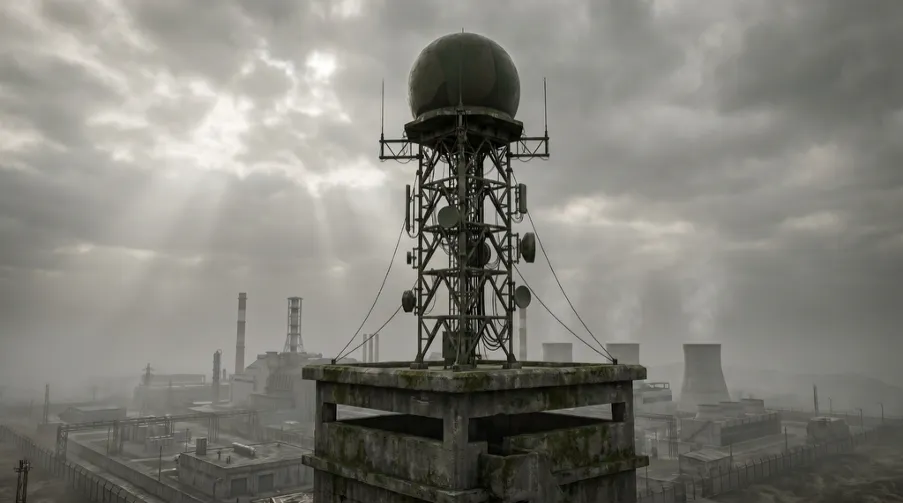
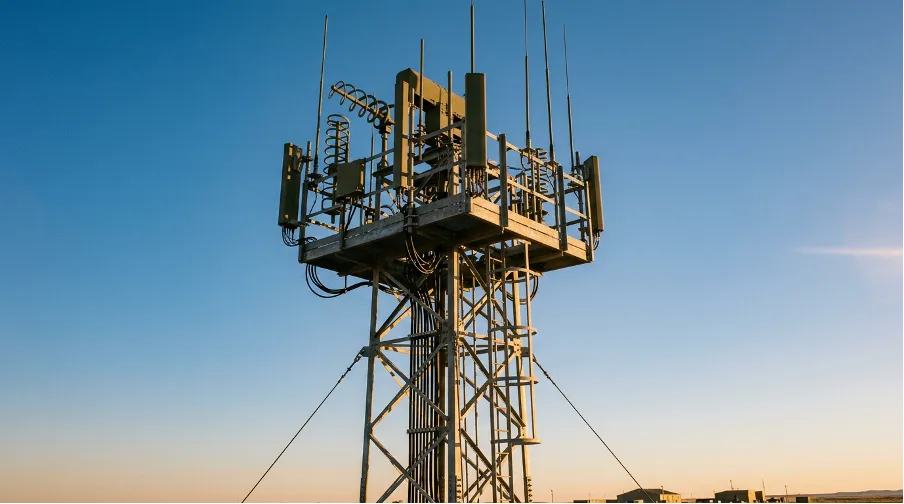
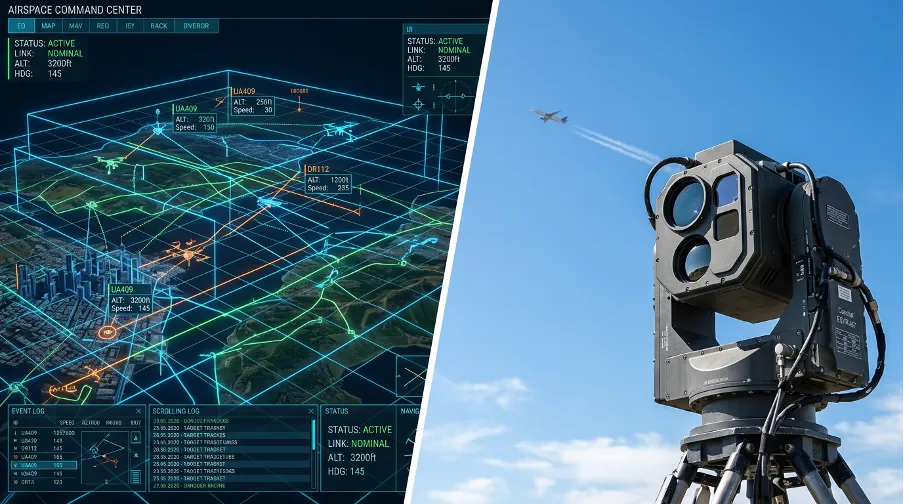
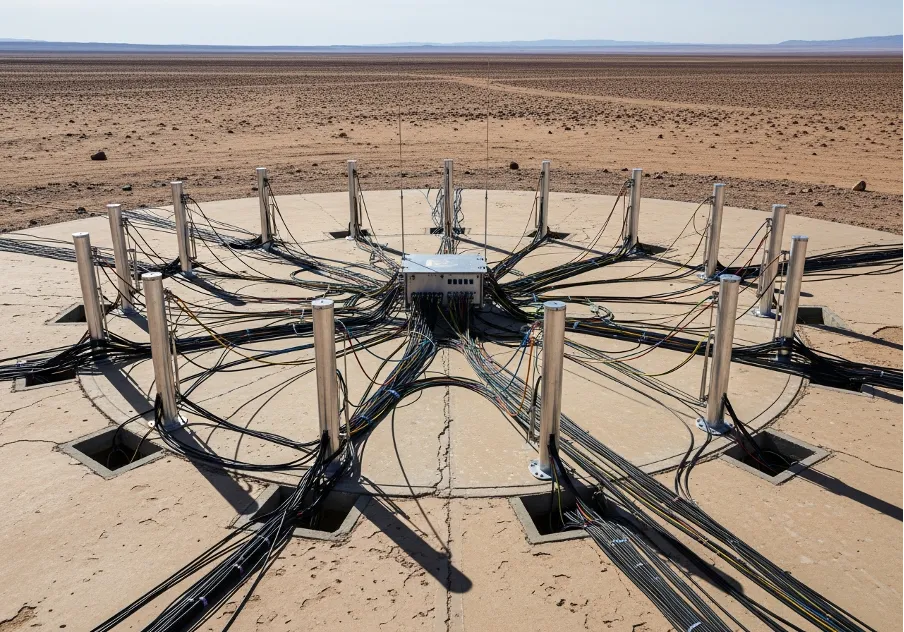
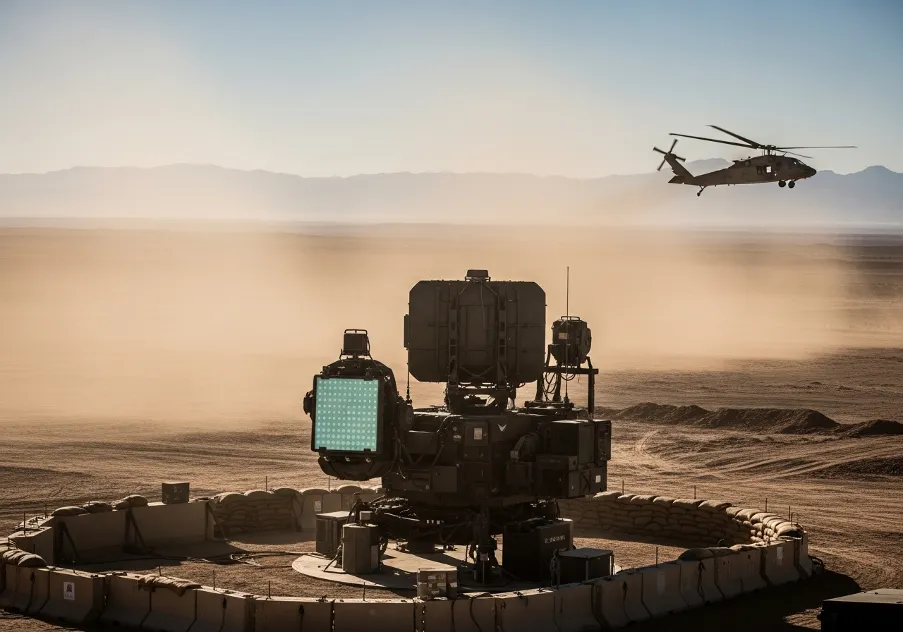
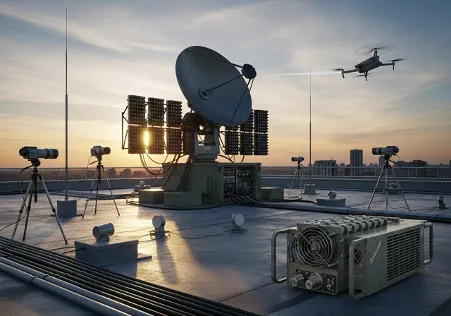
Radars cover the gaps that RF scanners often miss, specifically autonomous flights that don't emit standard signals. This specific type of anti drone technology utilizes 3D holographic tracking to distinguish actual threats from birds, minimizing the fatigue caused by false alarms. While RF looks for signals, radar looks for physical movement and cross-section density.
Cost is a major factor here, as these systems are not cheap to deploy. Installing a dedicated anti drone device based on radar is a significant capital expense, usually reserved for protecting critical infrastructure like airports or power plants where failure isn't an option.
Detection leads to reaction, but the rules of engagement vary wildly by jurisdiction. Once tracked, specific drone countermeasures like signal jamming or GPS spoofing can be deployed, but only if local regulations explicitly permit active neutralization methods, which is rare.
Optical and Thermal Sensors
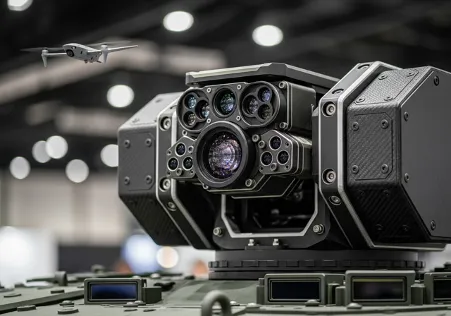
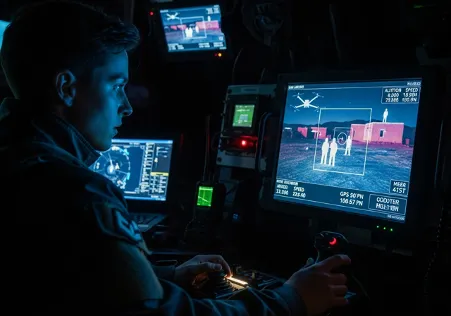
Cameras serve as the verification layer, confirming what the radar or RF sensors believe they see. A visual drone detection system gives security teams eyes on the target to determine payload and intent. Essential features for this layer include:
- high-speed zoom capabilities for long-range identification;
- infrared sensors for 24/7 night operations;
- AI recognition software to classify the object type.
Visual confirmation is the final step before initiating a lockdown protocol.
Software plays a huge role in image processing, filtering out background noise like swaying trees. Modern counter drone technology relies heavily on machine learning to lock onto fast-moving targets against complex backgrounds, ensuring the camera doesn't lose track during high-speed maneuvers.
Acoustic Monitoring Solutions
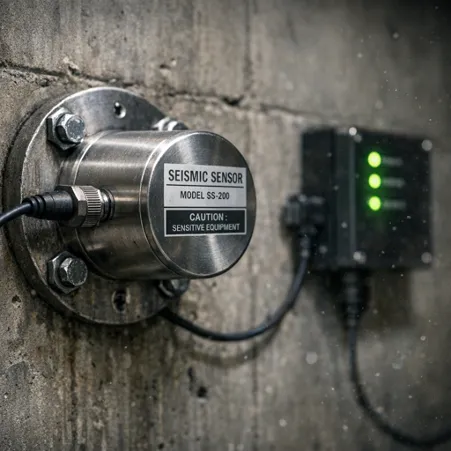
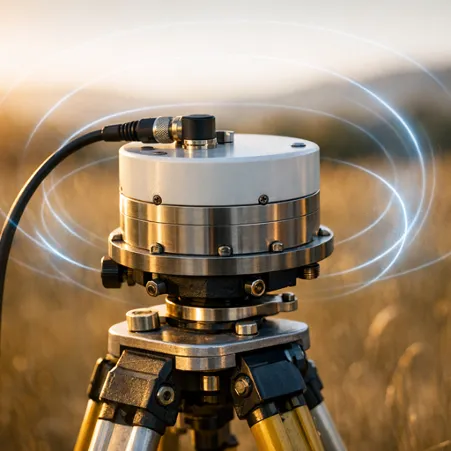
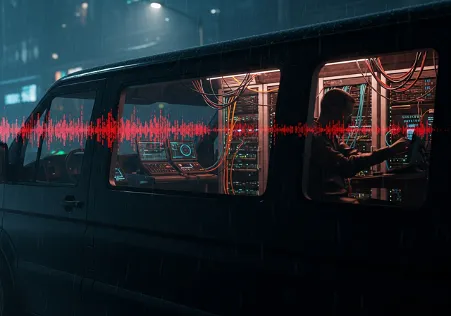
Microphones hear the rotors before eyes see them or radars pick them up in cluttered environments. Acoustic sensors add a layer of drone protection that works exceptionally well in urban canyons where line of sight is frequently broken by tall buildings. They create a listening net that is hard to evade.
Audio sensors are prone to noise pollution, however, which limits their standalone effectiveness. A purely acoustic drone detector struggles near highways or construction sites, requiring integration with other sensor types to cross-reference the data and filter out false positives.
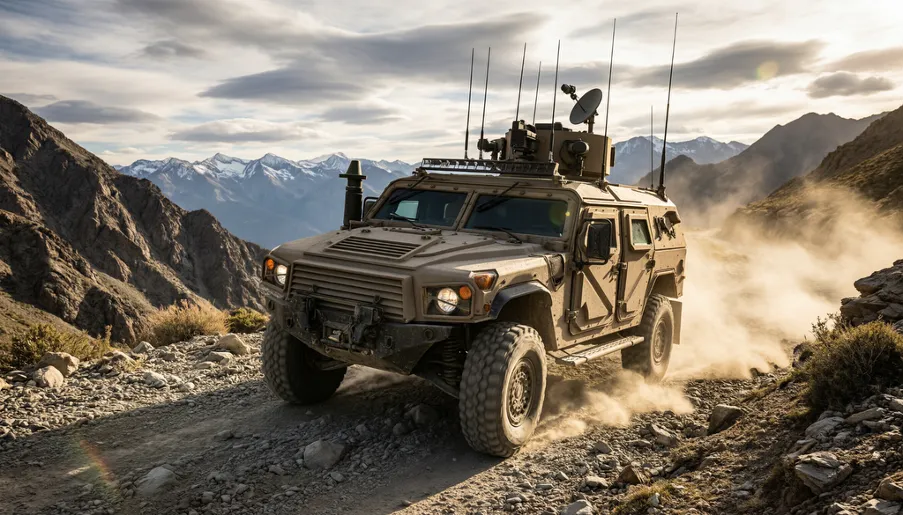
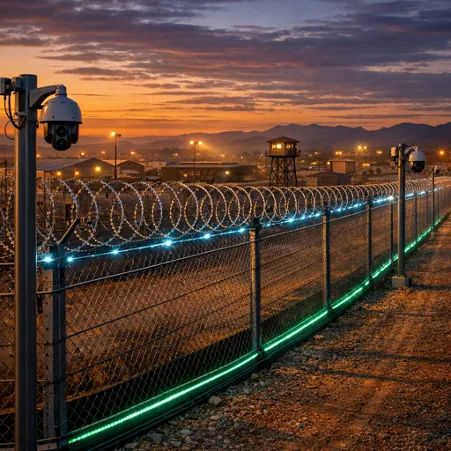
Integration is the key to a high success rate in perimeter defense. A layered counter drone system combining RF, radar, and optics offers the highest probability of interception, as each technology covers the blind spots of the others. No single sensor does it all.
These multi-sensor platforms are complex to install and maintain. Managing a comprehensive drone defense system requires trained operators who can interpret data from multiple streams simultaneously, making the human element just as important as the hardware.
Portable and Handheld Units
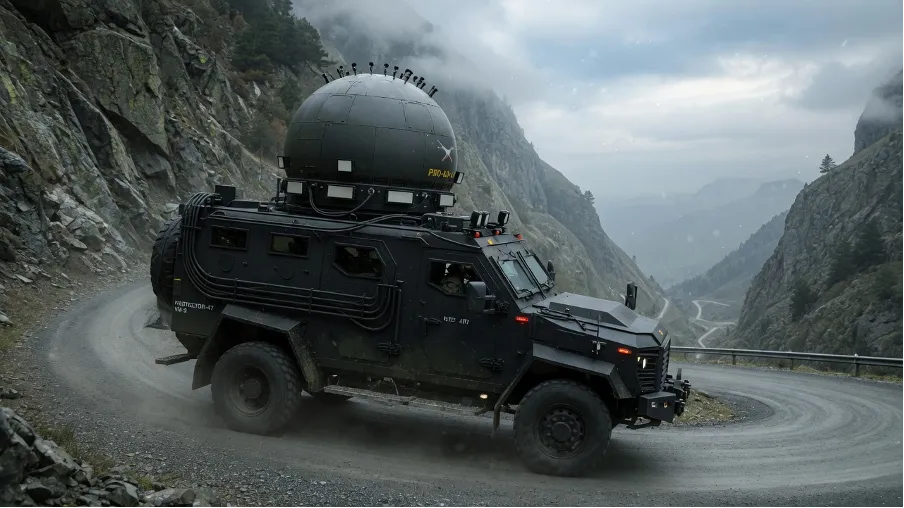
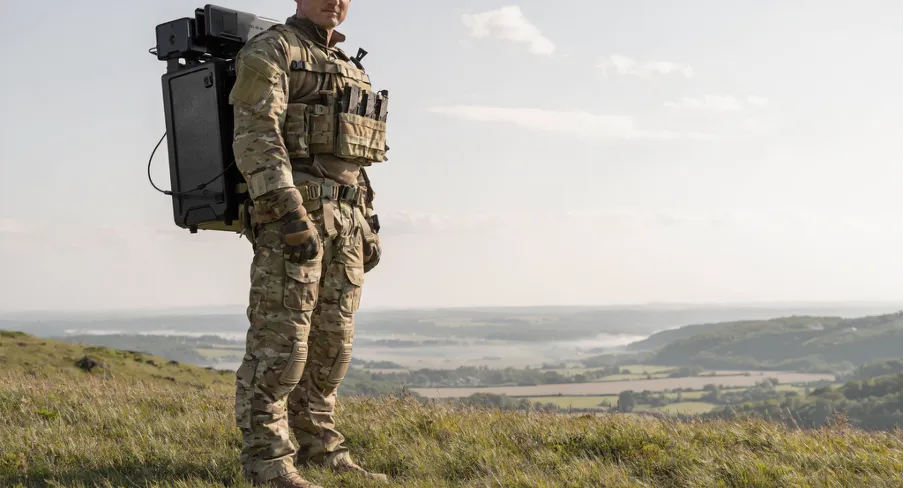
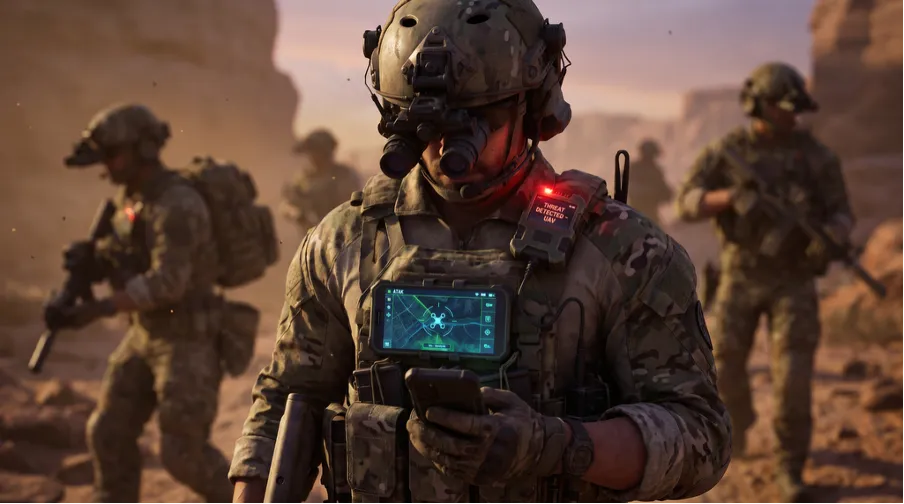
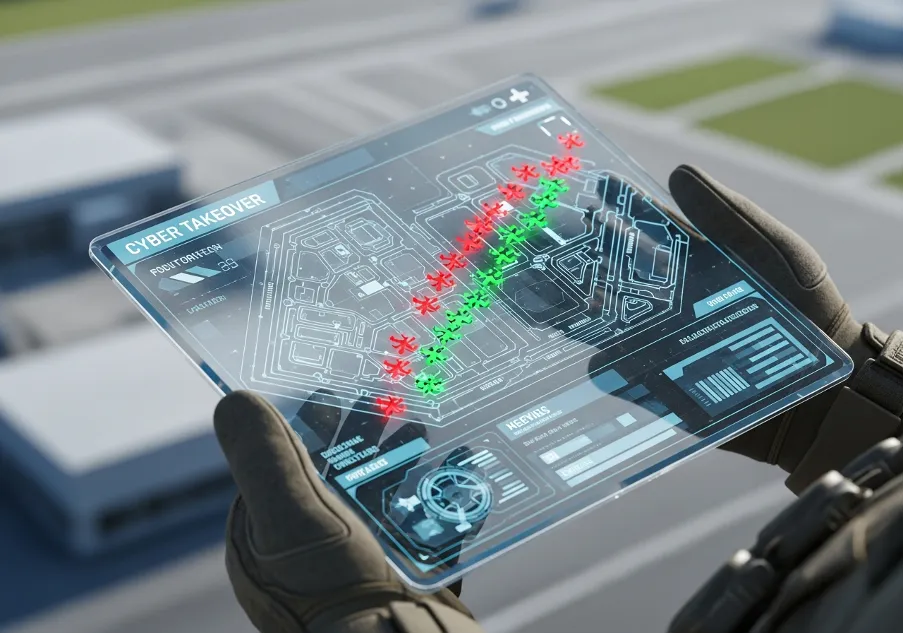
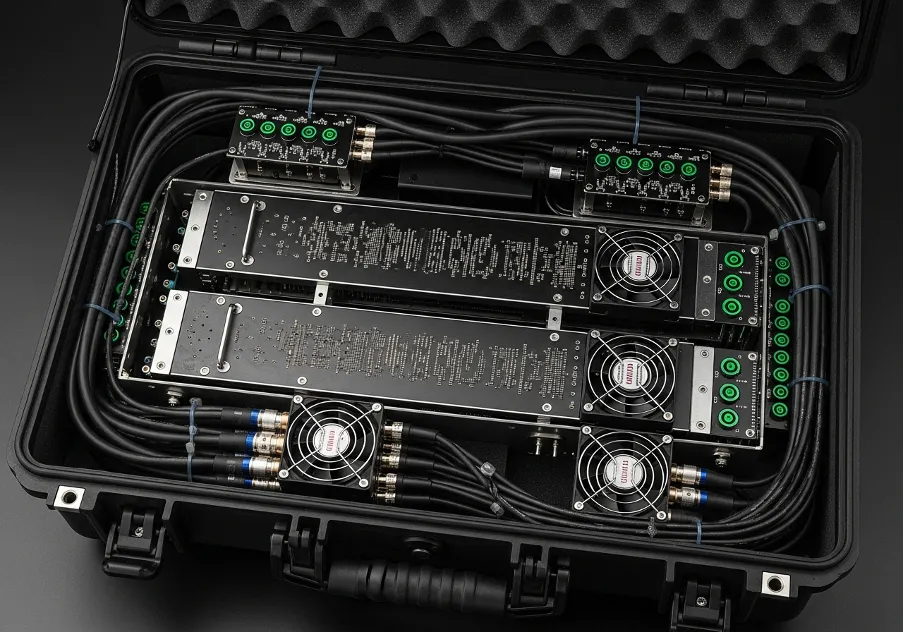
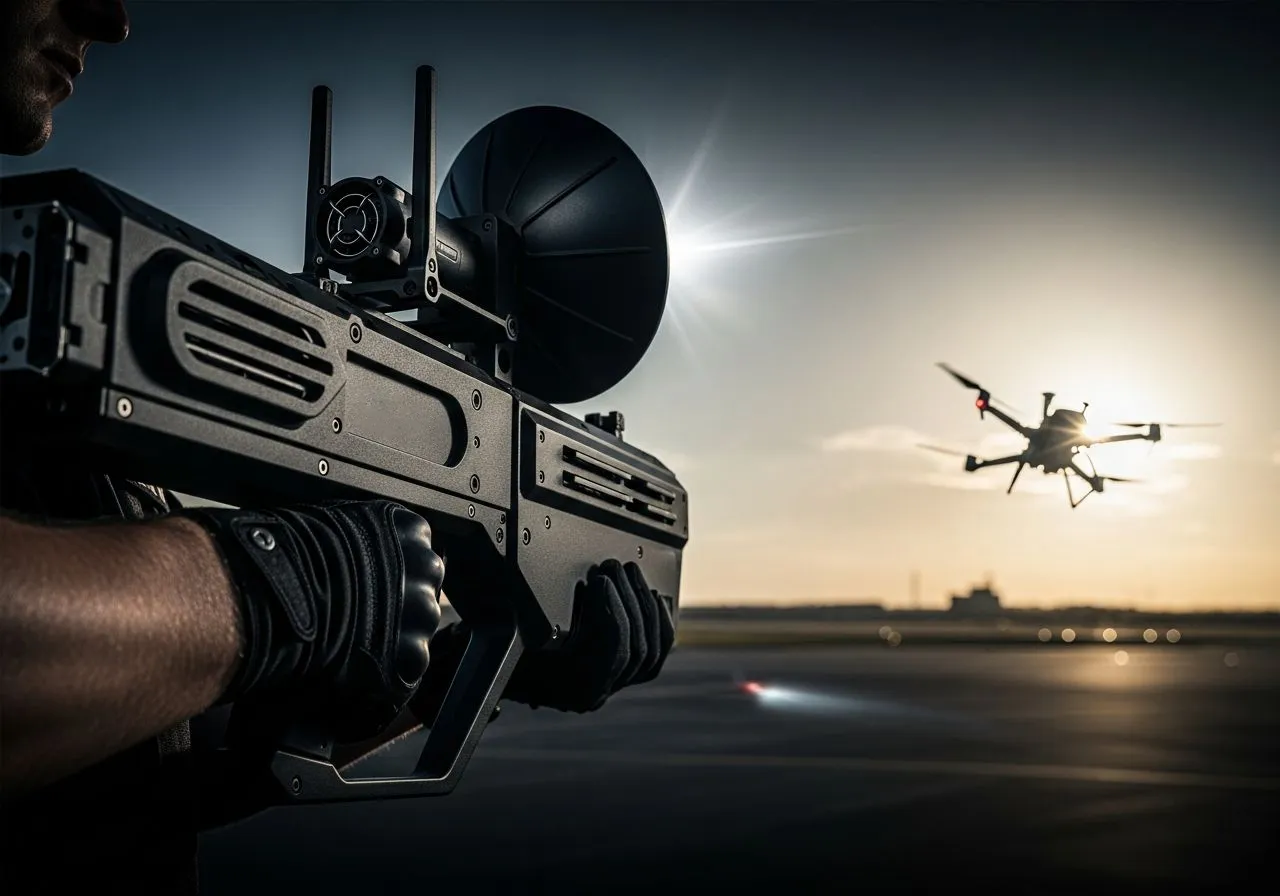
Portability matters when the VIP is moving or the threat vector changes rapidly. Portable counter uas rifles or tablet-based detection units allow protection teams to move with the principal, creating a mobile bubble of security rather than a static fortress.
Limitations exist regarding battery life and range compared to fixed installations. Mobile drone defense gear is often heavy and runs hot, limiting the operational window during long events, but it provides tactical flexibility that fixed systems cannot match.
The technology evolves faster than the laws or the procurement cycles. As drone detection technology improves, hobbyists and bad actors find new frequencies or flight paths, creating a perpetual cat-and-mouse game that keeps security directors up at night.
Budgeting for regular firmware and hardware upgrades is essential for long-term viability. Static counter drone systems become obsolete if their libraries aren't updated to recognize new commercial drone signatures released by manufacturers like DJI or Autel.
Enterprise security needs scalability to grow with the facility. A scalable uav detection solution allows for adding more sensors as the perimeter expands or threats change, preventing the need to rip and replace the entire infrastructure.
The final decision comes down to risk assessment versus budget reality. The best drone detection systems are the ones that fit the specific threat model of the facility, not necessarily the ones with the highest price tag or the most glossy marketing brochure.
Learn more about alternative systems and related products from Prodefence in Counter Drone Technologies.































































Trusted Worldwide
Operating in more than 50 countries, we provide cutting-edge defense solutions that ensure your safety to every corner of the globe.
Get Advice From Our Experts
Please complete the feedback form to gain exclusive access to our catalog showcasing models that are not available on our website
We’re here to assist you with any inquiries, support, or information you need. Whether you're interested in our defense products, looking to collaborate, or simply have a question, our team is ready to help.