Perimeter Security Systems Explained
From Fence Security to Full-Scale Detection
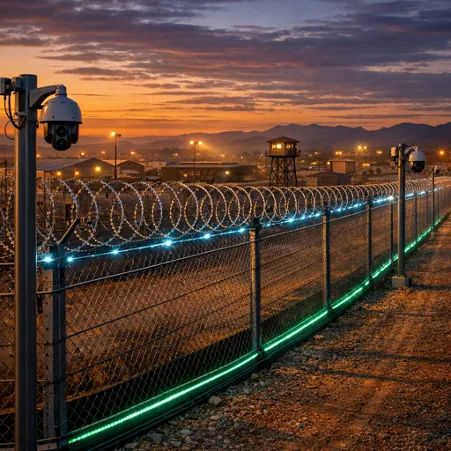
A breach at the boundary costs more than a breach at the door. Every second an intruder spends undetected on a perimeter translates into compounded risk - stolen assets, compromised safety, regulatory fallout. That reality drives demand for layered deterrents, starting with the security electric fence as a physical and psychological barrier long before anyone reaches a building wall.
Yet a fence alone is passive hardware. The moment operators pair it with sensors, analytics, and real-time alerting, a simple perimeter fence transforms into an active detection ecosystem. The technologies behind that transformation vary widely - and choosing the right combination depends on threat profile, terrain, and budget.
How Electric Security Fences and Sensors Form the First Line of Defense
An electric security fence serves a dual purpose. It delivers a non-lethal but memorable shock to anyone who touches the wires, and it sends an instant signal to a monitoring station the moment the circuit changes. That combination - deterrence plus detection - makes electrified barriers one of the fastest-reacting elements in any perimeter toolkit.
The operational principle is straightforward. A pulse energizer sends high-voltage, low-amperage pulses along the fence wires at fixed intervals. When someone cuts, climbs, or shorts the wire, the pulse pattern changes. The controller registers the anomaly and triggers an alert within milliseconds.
A modern perimeter intrusion detection system goes further than simple circuit monitoring. Zoned configurations divide a long fence line into segments - sometimes as short as 50 meters - so operators know not just that a breach happened, but where. GPS-tagged zones feed coordinates directly into a command dashboard, cutting response time from minutes to seconds.
Sensitivity tuning matters. Wind, falling branches, and animals generate false alarms that erode operator trust. Current-generation energizers apply signal-processing algorithms that distinguish a 70 kg climber from a windblown tarpaulin. That filtering keeps the alert queue clean and actionable.
Integration with cameras adds a visual verification layer. When a zone trips, the nearest PTZ camera slews automatically to the breach point, giving the control room a live feed before a patrol car even starts its engine. The fence detects; the camera confirms; the guard responds.
Core Technologies Behind Perimeter Security Systems
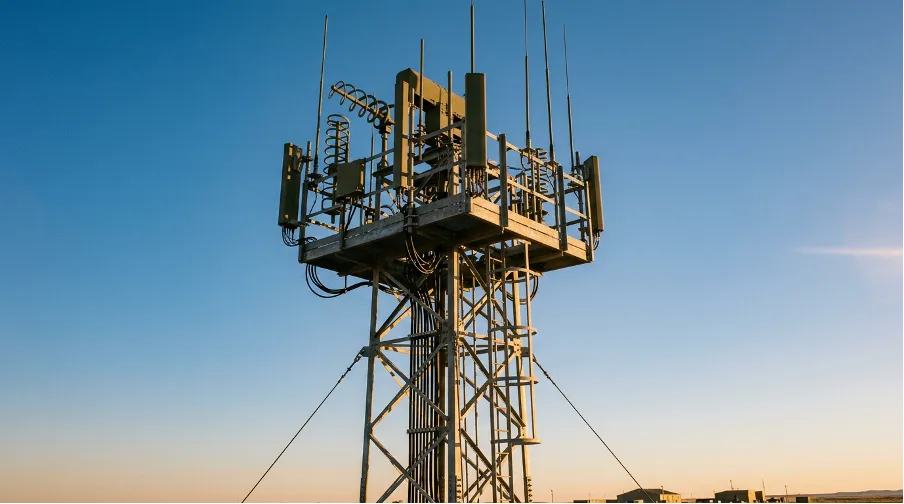
Electric fencing is only one node in a broader sensor network. Perimeter security systems typically combine multiple detection technologies, each covering a different attack vector or terrain type.
The most common layered technologies include:
- fence-mounted vibration sensors that register cutting, climbing, or impact through accelerometers bonded directly to the mesh or rail;
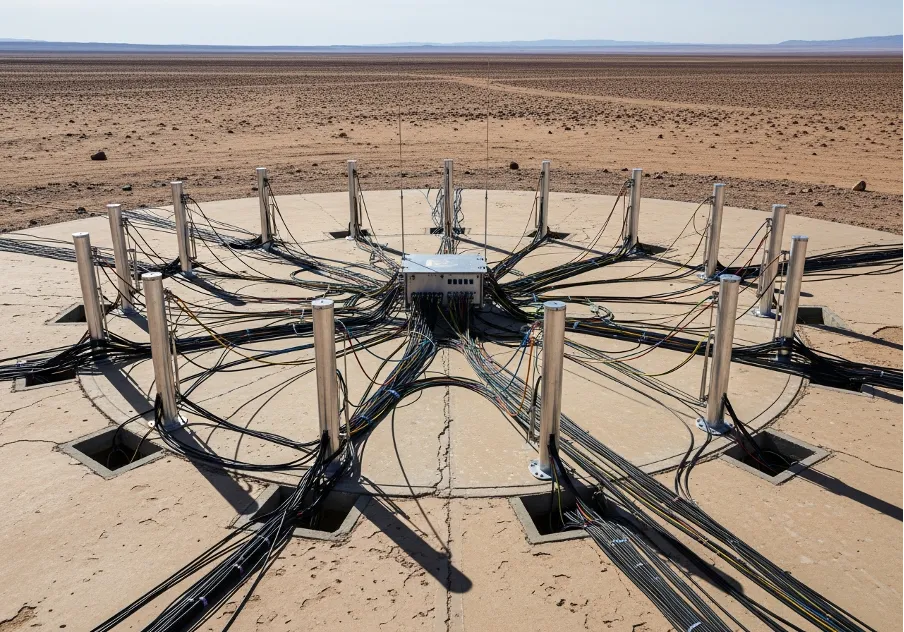
- fiber optic cables threaded along or buried beneath fence lines, detecting micro-vibrations with spatial resolution down to a few meters;
- microwave barriers that project a volumetric energy field between a transmitter and receiver, triggering when a body interrupts the beam pattern;
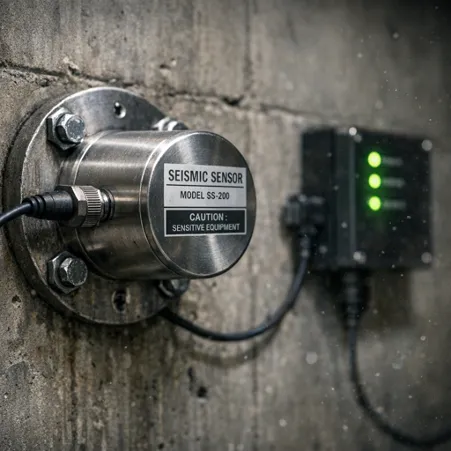
- buried seismic or pressure sensors that covertly detect footsteps or vehicle movement without any visible hardware above ground;
- thermal imaging cameras that spot heat signatures in zero-light conditions, complementing sensor-based triggers with visual context.
Each technology carries trade-offs. Microwave barriers perform well in flat, open terrain but struggle around corners or over undulating ground. Fiber optic systems offer long-range coverage - runs of 40 km or more from a single analyzer - yet demand careful calibration to filter weather noise. Fence security sensors are cost-effective and fast to deploy, but their accuracy depends on fence rigidity; a loose chain-link panel vibrates differently than a welded-mesh section.
The strongest deployments blend at least two sensing modalities. A vibration sensor detects the physical contact; a microwave curtain confirms a moving mass behind the fence. That dual-validation approach cuts nuisance alarms by 80 % or more, according to field data from airport and military installations.
How Intruder Detection Systems Process and Prioritize Alerts
Hardware generates data. Software turns data into decisions. The gap between the two defines whether intruder detection systems protect a site or simply annoy its operators.
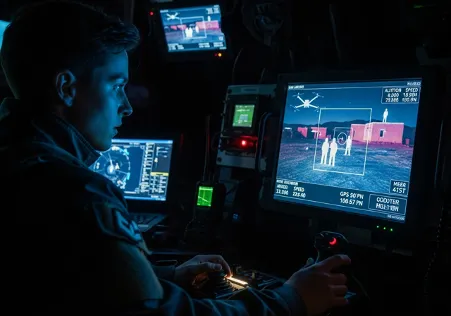
Modern alarm management platforms ingest feeds from dozens - sometimes hundreds - of sensor zones, cameras, and access points simultaneously. Raw alerts pass through a rules engine that weighs sensor type, time of day, zone classification, and recent activity history. A vibration hit on a low-risk warehouse fence at noon might generate a log entry. The same hit on a runway perimeter at 2 AM escalates to a priority-one alarm with automatic camera lock-on and guard dispatch.
Machine learning sharpens those rules over time. Systems trained on weeks of site-specific data learn the vibration signature of a delivery truck idling near a gate versus a person shaking a panel. That behavioral baseline reduces false positives without dulling the sensor threshold.
Perimeter alarm systems also need redundancy in their communication backbone. A fiber cut or jammed radio link must not silence the entire network. Dual-path architectures - fiber plus encrypted wireless, for example - ensure that an alert reaches the control room even if one channel fails.
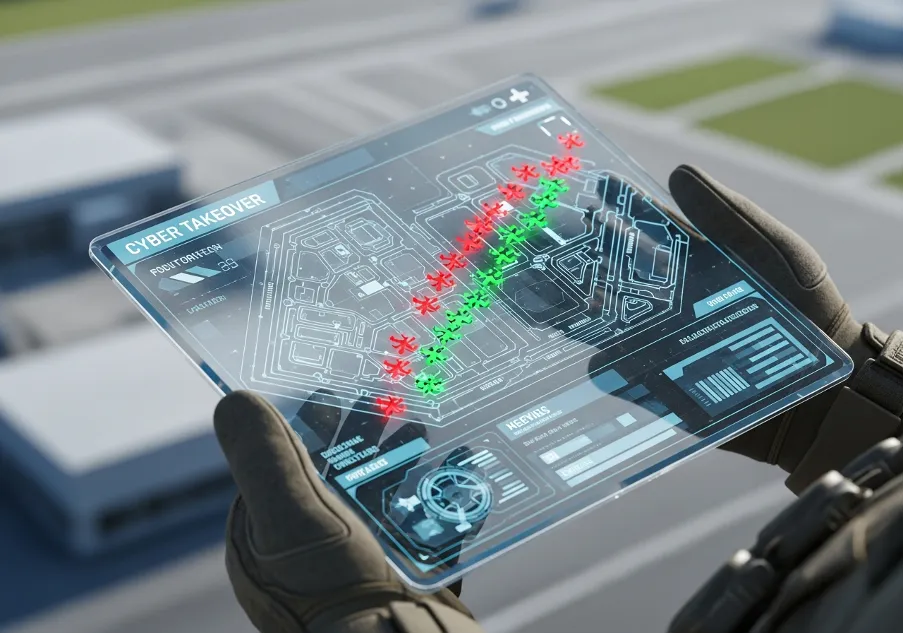
Operator interface design often gets overlooked, yet it determines response quality. A well-designed dashboard shows a site map with color-coded zones, a live camera tile, and a one-click acknowledge/dispatch button. Clutter kills speed. The best platforms present only the information a guard needs in the first three seconds after an alarm fires.
Where Perimeter Intrusion Detection Delivers the Greatest Impact
Not every facility needs the same sensor density. Perimeter intrusion detection planning starts with a threat and vulnerability assessment - a structured review of what assets sit on the site, who might target them, and how.
Airports rank among the most sensor-intensive environments. Runway perimeters demand near-zero miss rates because a single unauthorized person on the tarmac can ground flights, trigger regulatory investigations, and endanger lives. A layered perimeter intruder detection system at a mid-size airport might include buried fiber optic cable along the entire boundary, microwave curtains at taxiway crossings, and thermal cameras every 200 meters.
Deployments at correctional facilities, nuclear plants, military compounds, and government data centers follow in the list of common high-value applications:
- correctional facilities prioritize climb detection and anti-cut sensors on double-fence corridors, with taut-wire or electrified top guards;
- nuclear plants comply with regulatory standards (such as NRC 10 CFR 73 in the United States) that mandate specific detection probabilities and assessment capabilities;
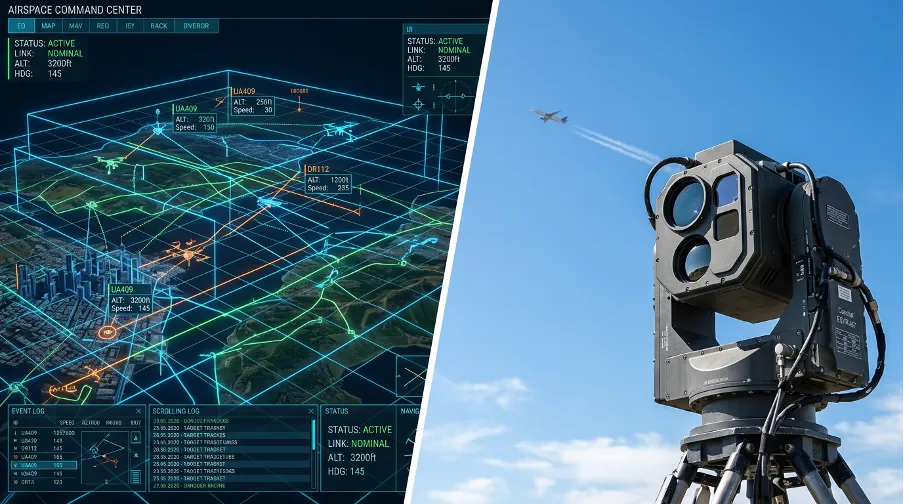
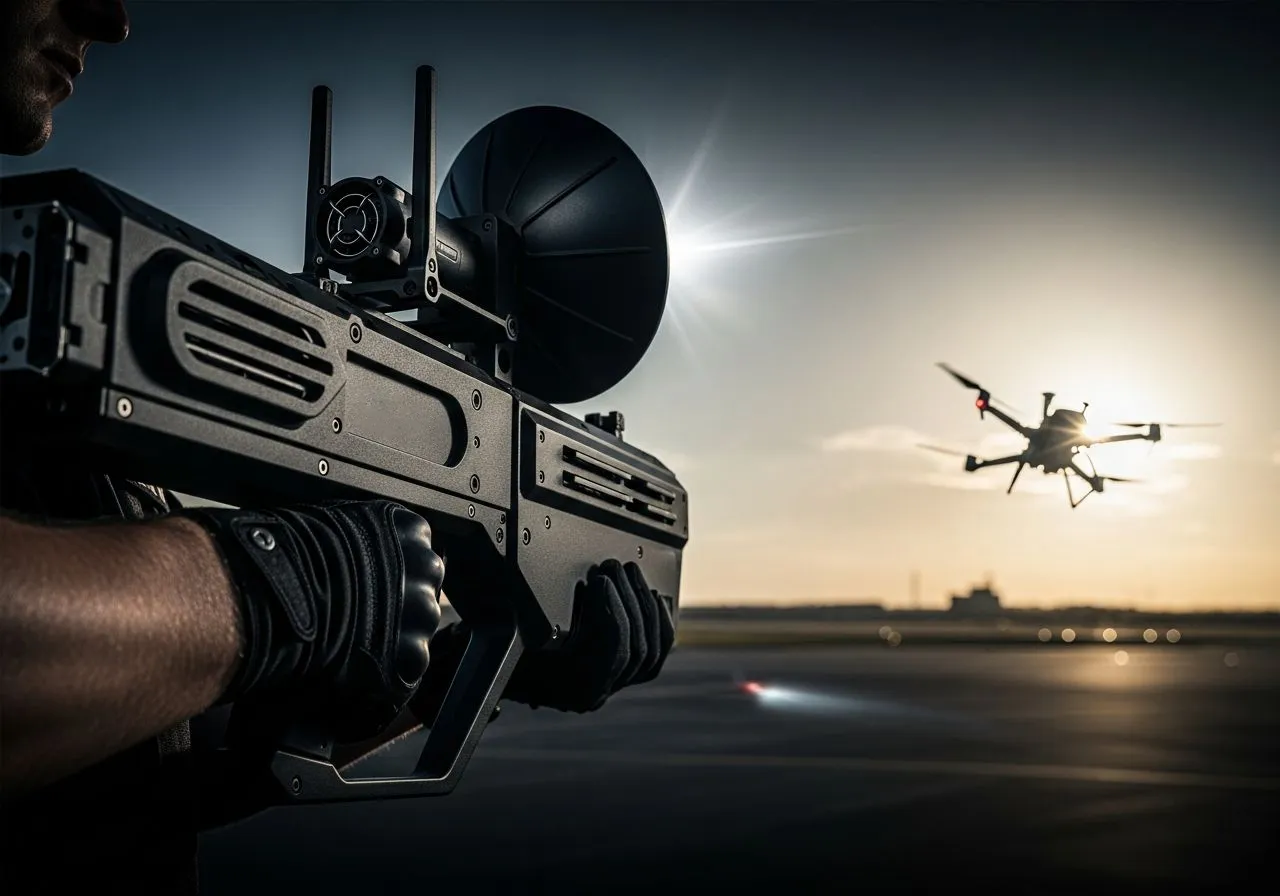
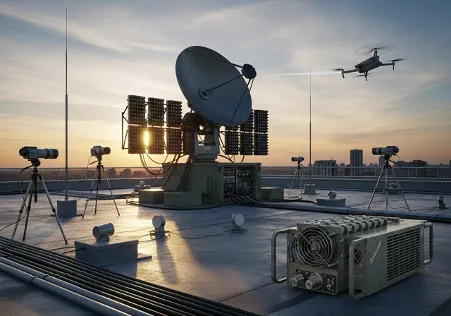
- military compounds add counter-UAV layers - radar and RF scanners - to the traditional ground-level sensor suite;
- logistics hubs and warehouses focus on vehicle-gate monitoring and loading-dock access control, pairing perimeter sensors with license-plate recognition.
Commercial and industrial sites often achieve the fastest return on investment. A single prevented theft of high-value cargo can recoup the cost of a sensor upgrade within months.
Insurance providers increasingly offer premium reductions for facilities that demonstrate verified perimeter detection and documented response protocols.
Integrating a Perimeter Alarm System into a Broader Security Architecture
A perimeter alarm system reaches full potential only when it talks to every other security layer on the site. Isolated sensors create data silos. Connected sensors create situational awareness.
Integration starts at the physical layer. Sensors, cameras, access-control panels, and lighting controllers connect through a unified IP network - often a dedicated VLAN segregated from corporate traffic. Power-over-Ethernet simplifies cabling for field devices, while industrial-grade switches handle the bandwidth demands of multiple HD video streams.
At the software layer, a Physical Security Information Management (PSIM) platform or a Video Management System (VMS) with open API support acts as the central nervous system. When a fence sensor fires, the PSIM correlates the alert with access-control logs (was a door nearby opened legitimately?), lighting status (did the area lights activate?), and camera feeds (what does the scene look like?). That correlation happens in under two seconds on current hardware.
Cybersecurity cannot be an afterthought. Every IP-connected sensor is a potential network entry point. Hardened firmware, certificate-based authentication, and regular patch cycles keep the detection infrastructure from becoming the vulnerability it was built to prevent.
Scalability deserves equal attention. A 500-meter warehouse perimeter today might expand to a multi-building campus tomorrow. Choosing open-protocol sensors (ONVIF for cameras, OPC UA for industrial devices) prevents vendor lock-in and allows phased expansion without ripping out existing hardware.
The end goal is a closed loop: detect, verify, alert, respond, record. Each step feeds the next. Each component - from the energized fence wire to the guard's mobile dispatch app - plays a defined role. When every element communicates, response times shrink, false alarms drop, and the perimeter stops being a line on a map and starts being a functioning shield.
Learn more about alternative systems and related products from Prodefence in Border Control.

























































































Trusted Worldwide
Operating in more than 50 countries, we provide cutting-edge defense solutions that ensure your safety to every corner of the globe.
Get Advice From Our Experts
Please complete the feedback form to gain exclusive access to our catalog showcasing models that are not available on our website
We’re here to assist you with any inquiries, support, or information you need. Whether you're interested in our defense products, looking to collaborate, or simply have a question, our team is ready to help.