
Fake BTS Tactics
How a Fake Base Transceiver Station Hijacks Your Signal
Imagine looking at your phone and seeing a text message from your bank regarding a suspicious withdrawal or expiring loyalty points. The sender ID looks correct, the logo on the linked website seems authentic, and your phone shows full signal bars. You might think you are interacting with a secure network, but you could be walking into a sophisticated digital trap that bypasses the internet entirely.
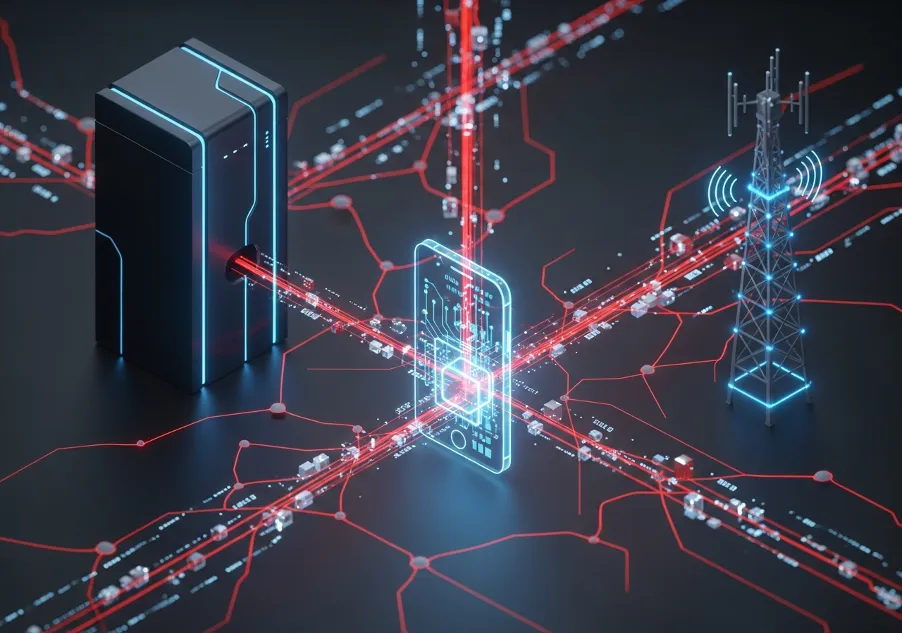
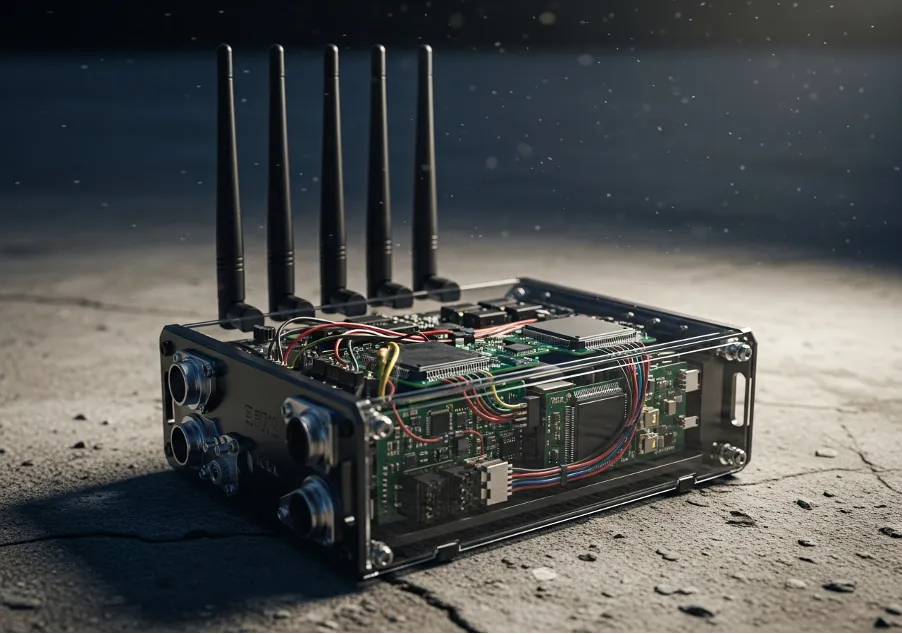
This deception happens at the hardware level, where cybercriminals deploy a fake base transceiver station to overpower the legitimate signal from your mobile carrier. By the time that urgent text message lands in your inbox, your phone is no longer talking to a verified cell tower. It is communicating directly with a rogue device controlled by scammers nearby.
The Mechanics of the Signal Hijack
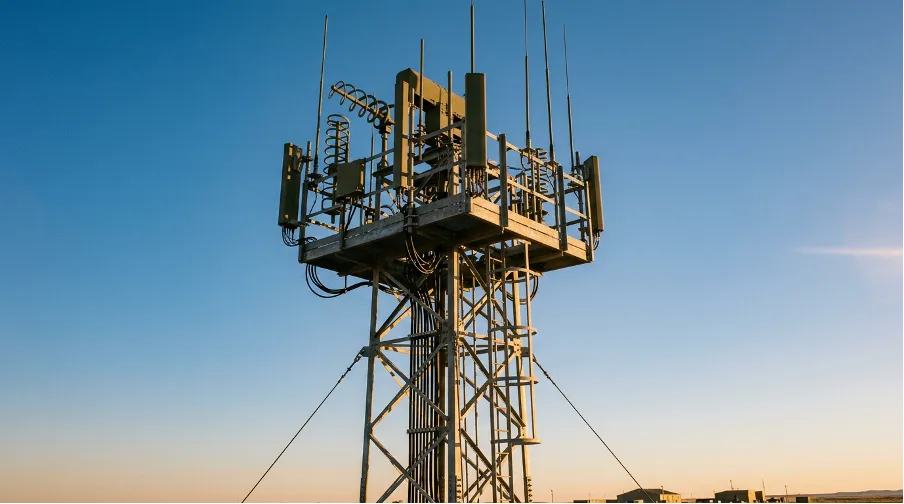
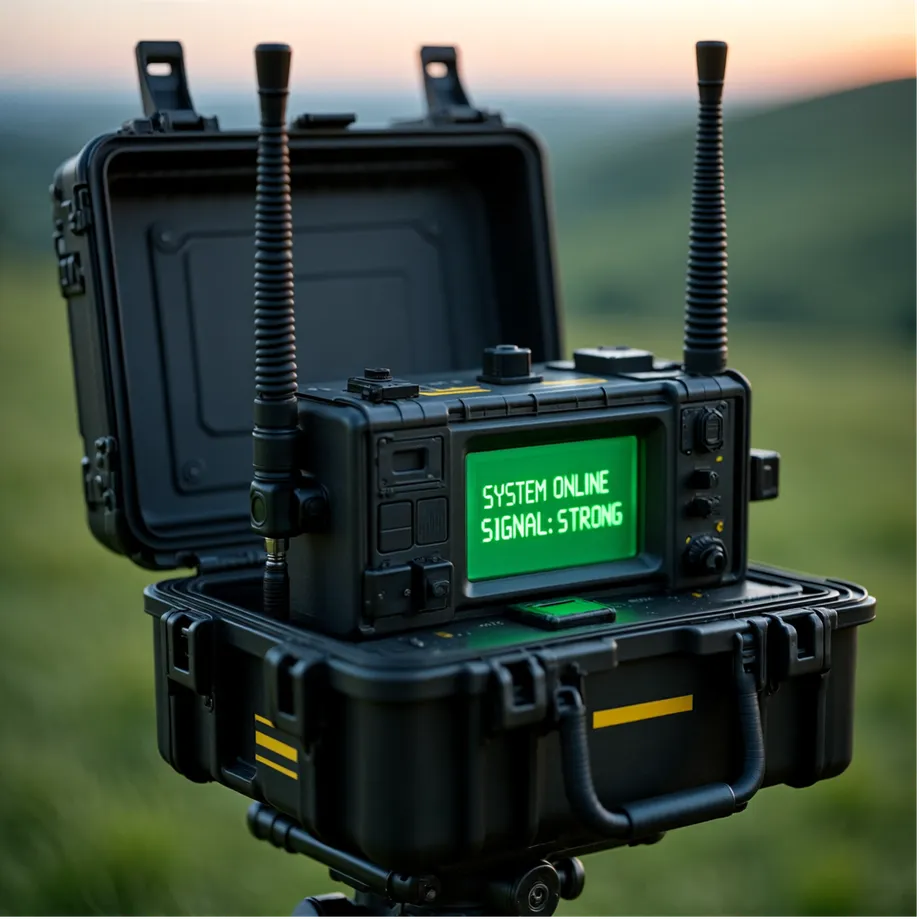
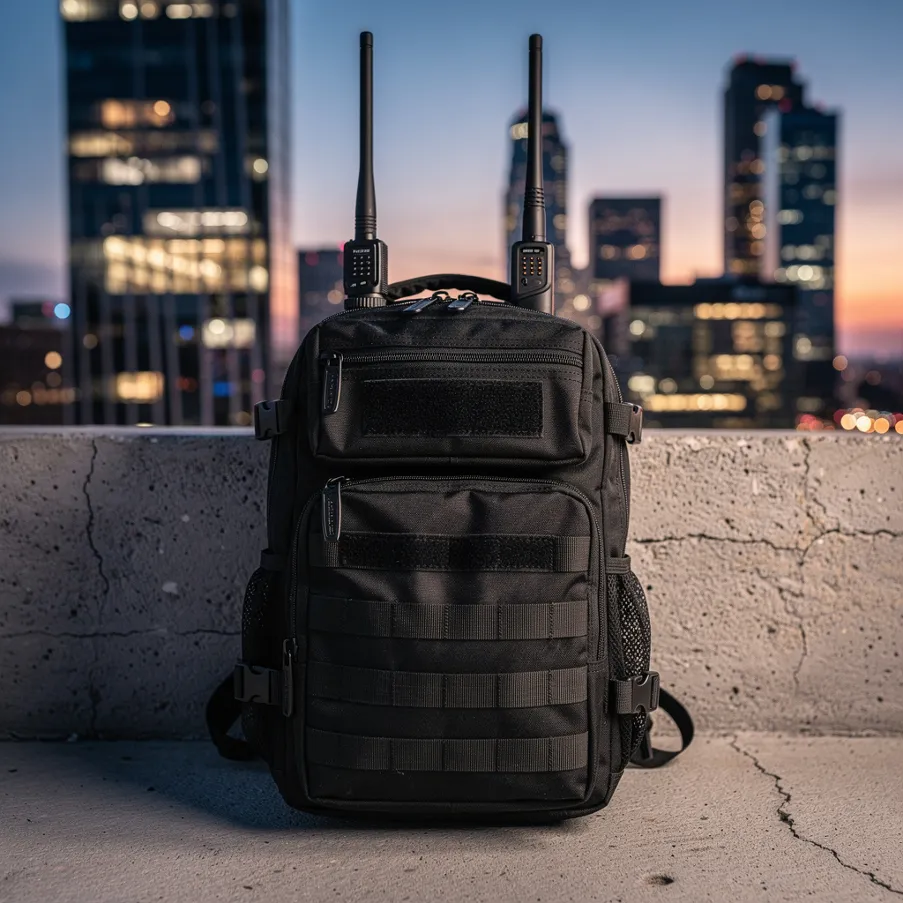
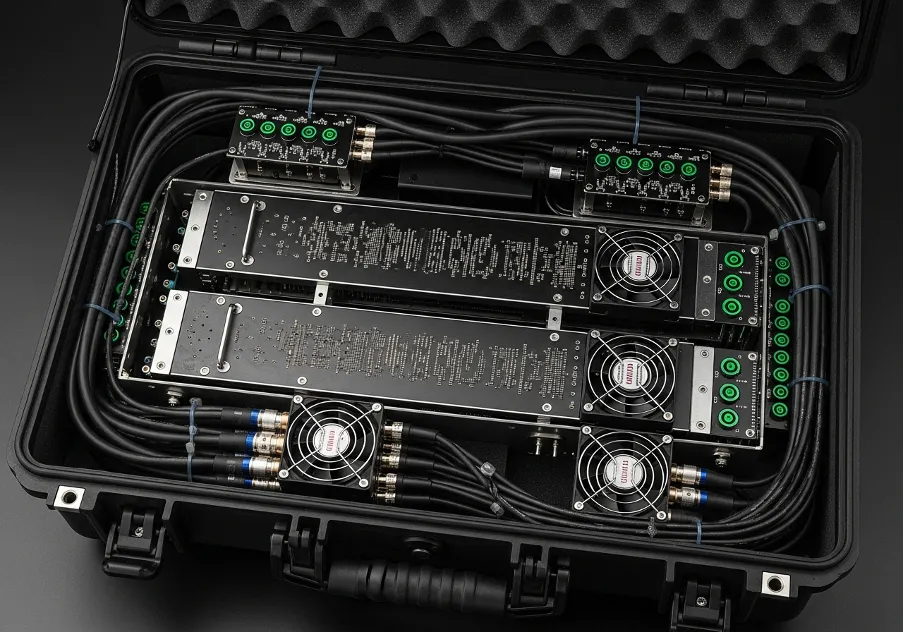
Mobile phones are designed with a specific, somewhat naive priority: they always connect to the strongest available signal to ensure call quality. Criminals exploit this protocol by positioning a fake bts device—often hidden in a van or backpack—closer to you than the real tower. Your phone sees this powerful signal, assumes it is the best connection option, and automatically switches over without asking for your permission.
Once this connection is established, the attackers effectively become your mobile service provider for a few minutes. They force your device off the secure 4G or 5G bands down to older protocols like 2G, which lack mutual authentication. This downgrade allows them to intercept outgoing data or inject malicious content directly onto your screen.
The frightening reality is that this equipment is not strictly military-grade anymore. With relatively accessible hardware, fraudsters can disrupt local communications and blast phishing links to every phone within a specific radius.
Anatomy of the Attack Workflow
The process usually begins with physical proximity, as the scammers need to be within a few hundred meters of their targets. They might drive slowly through a busy shopping district or park near an office building while their rogue fake base transceiver station scans for active mobile devices to capture. The moment your phone latches onto their signal, the "Bait" phase begins.
The attackers push an SMS that appears to come from a trusted entity, such as a major bank or a tax authority. Because the message originates from the rogue tower and not the internet, it bypasses network-level spam filters that usually block such scams. The text demands immediate action:
- Claim your reward points before they expire at midnight;
- Verify a suspicious transaction of a large amount;
- Update your security credentials to avoid an account lockout.
You click the link and land on a cloned website that looks identical to the real portal. When you enter your username, password, or credit card details, the data goes straight to the criminals. They often use this window to intercept the One-Time Password (OTP) sent by the real bank, completing the theft before you realize the signal was manipulated.
Identifying the Invisible Threat
Detecting these attacks is difficult because your phone does not display a "danger" warning when switching towers. However, you can spot subtle anomalies if you know where to look, such as your connection suddenly dropping from LTE to 2G or receiving an urgent SMS from a fake bts while having full bars but no internet data access. These technical glitches often indicate that a signal interception is in progress.
The most effective defense is a change in behavior rather than relying solely on software. Never click links inside SMS messages, even if they appear to come from "Official" contacts in your address book. If a text claims your account is in danger, close the message and open your banking app directly or call the official hotline.
For robust security, move away from SMS-based two-factor authentication entirely. Use app-based generators or physical security keys. These methods require encrypted interactions that a simple signal hijacker cannot replicate, keeping your accounts safe even if your phone signal is compromised.


































































































Trusted Worldwide
Operating in more than 50 countries, we provide cutting-edge defense solutions that ensure your safety to every corner of the globe.
Get Advice From Our Experts
Please complete the feedback form to gain exclusive access to our catalog showcasing models that are not available on our website
We’re here to assist you with any inquiries, support, or information you need. Whether you're interested in our defense products, looking to collaborate, or simply have a question, our team is ready to help.