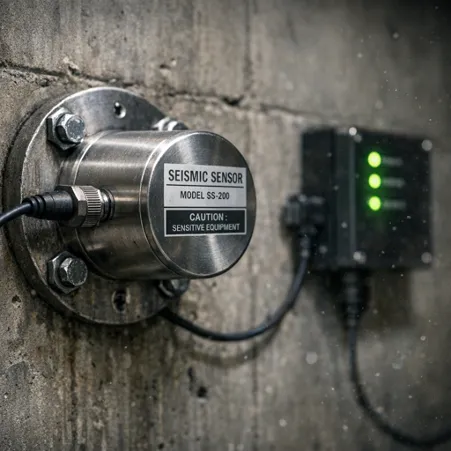
Seismic Sensor Technology
How a Seismic Detector Protects Vaults and Perimeters
A bank vault sits underground. Concrete walls, steel doors, round-the-clock guards. Yet a drill cuts through the floor at 3 a.m. and nobody hears it - unless a seismic sensor picks up the vibration first. Ground-based detection fills the gap between cameras that see and microphones that listen, catching mechanical energy that travels through solid materials.
Protective barriers alone do not stop a determined intrusion. They slow it down. The real advantage comes from knowing that someone started cutting, hammering, or boring before they break through. Seismic sensors translate faint structural tremors into actionable alerts, giving security teams and engineers the minutes they need to respond.
How Seismic Sensing Detects What Eyes Cannot
Every physical contact with a solid surface produces mechanical waves. A footstep on packed earth. A jackhammer on pavement. A diamond-tipped drill pressing into reinforced concrete. These waves propagate outward from the source, losing amplitude with distance but never vanishing entirely - not until friction absorbs the last fraction of energy.
Seismic sensing relies on transducers that convert ground motion into electrical signals. Two main families dominate the field. Velocity sensors (geophones) measure how fast a surface moves. Accelerometers measure the rate of change of that velocity. Both output a voltage proportional to motion, but they suit different frequency ranges and sensitivity thresholds.
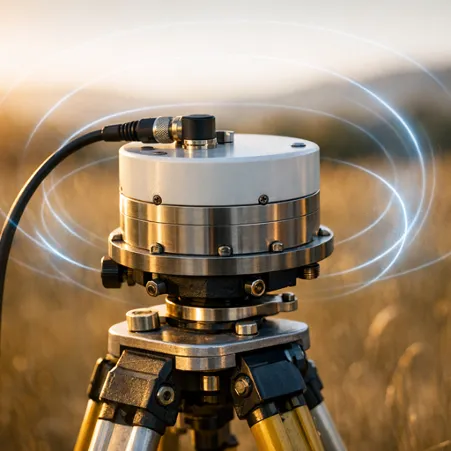
Seismic vibration sensors typically operate between 1 Hz and several hundred hertz. That window covers the mechanical signatures of human activity, vehicle movement, and power tools while staying below ultrasonic territory. The sensor element itself can be a piezoelectric crystal, a MEMS capacitor, or even a coil-and-magnet assembly suspended on a spring.
One challenge surfaces immediately: the environment never stays quiet. Wind shakes fences. Trucks rumble past. A sesmic event thousands of kilometers away sends low-frequency waves through bedrock. Separating target signals from background noise demands signal processing - and that processing defines whether a system works reliably or drowns operators in false alerts.
Modern controllers run time-domain and frequency-domain analysis in parallel. They look at amplitude, duration, spectral content, and repetition pattern. A drill produces a sustained, narrow-band vibration. A footstep creates a brief, broadband pulse. Software classifies each event within milliseconds, then decides whether to trigger an alarm.
What a Seismic Detector Actually Measures
A seismic detector does not simply react to movement. It quantifies that movement across several parameters, and the combination of those parameters carries the real intelligence:
- peak particle velocity, measured in mm/s, showing how aggressively a surface displaces;
- dominant frequency, indicating the type of source - low for heavy machinery, higher for hand tools;
- signal duration, distinguishing a single impact from a sustained drilling operation;
- waveform envelope, revealing whether energy builds gradually or arrives as a sharp spike.
A single seismic vibration sensor mounted on a vault wall can differentiate between a cleaning crew buffing the floor upstairs and someone angle-grinding a ventilation duct. The distinction lies not in raw amplitude but in the spectral fingerprint. Grinding produces energy concentrated around 80 Hz to 200 Hz with harmonic overtones. Floor buffing spreads across a wider band at lower intensity.
Mounting location matters as much as sensor quality. Bolting a transducer directly to a steel beam delivers cleaner signals than adhesive-mounting it on drywall. Rigid coupling preserves high-frequency content. Soft coupling acts as a low-pass filter, smearing details the algorithm needs. Engineers select mounting points after a site survey that maps structural resonances and ambient vibration levels.
Where Earthquake Sensors and Security Systems Overlap
Earthquake sensors and intrusion-detection sensors share a common ancestor - the geophone. Both measure ground velocity. Both need to reject noise. The split happens at the application layer: seismology cares about events below 20 Hz traveling over continental distances, while security focuses on near-field vibrations in the 10 Hz to 500 Hz band generated meters away.
That overlap creates practical advantages. Manufacturers borrow signal-conditioning techniques from geophysics and apply them to vault protection. Algorithms originally designed to locate earthquake epicenters now help perimeter systems triangulate a person walking across a monitored zone. Three or more sensors, spaced along a fence line, measure arrival-time differences and calculate the intruder's position within a few meters.
Seismic sensor security installations protect bank vaults, ATM enclosures, museum cases, data centers, and pipeline corridors. In vault applications, sensors bolt to interior walls or embed into concrete slabs. The controller learns the baseline vibration profile during a calibration phase, then flags deviations that match attack signatures stored in its library.
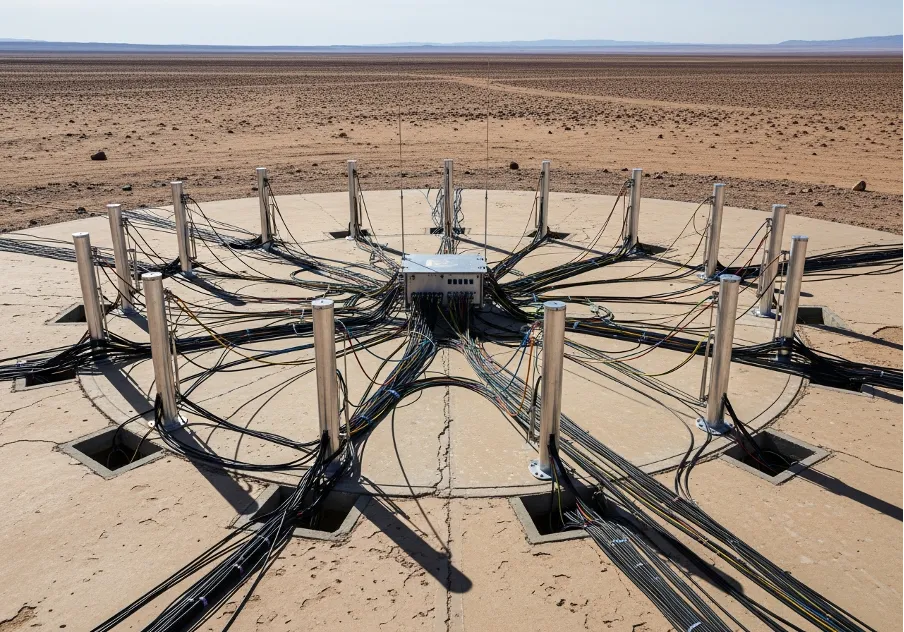
Perimeter applications demand a different approach. Buried geophones or fiber-optic cables span hundreds of meters along a fence or property boundary. Each segment acts as an independent detection zone. When someone climbs a fence, the vibration propagates along the structure, reaching the nearest sensor within milliseconds. The system logs location, time, and signal class - fence climb, cutting, or vehicle impact - and forwards the alert to a control room.
PRO-WALL: Wireless Perimeter Security
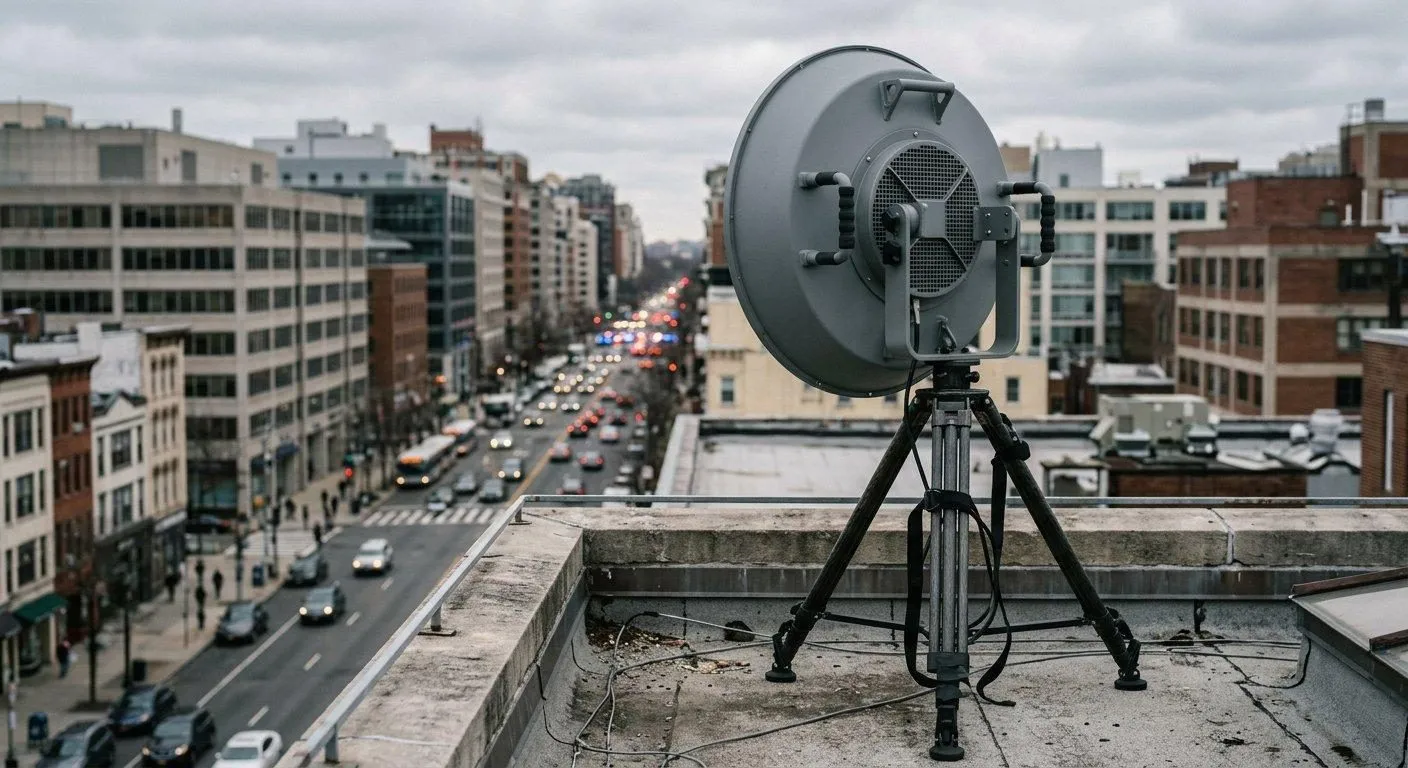
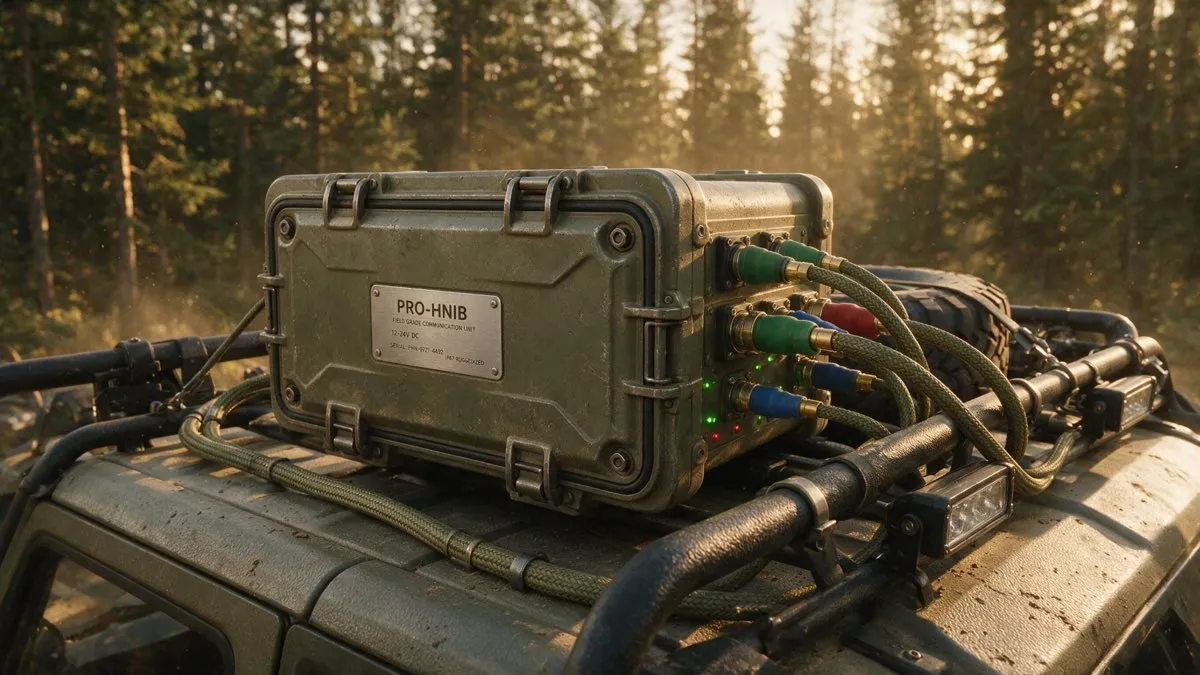
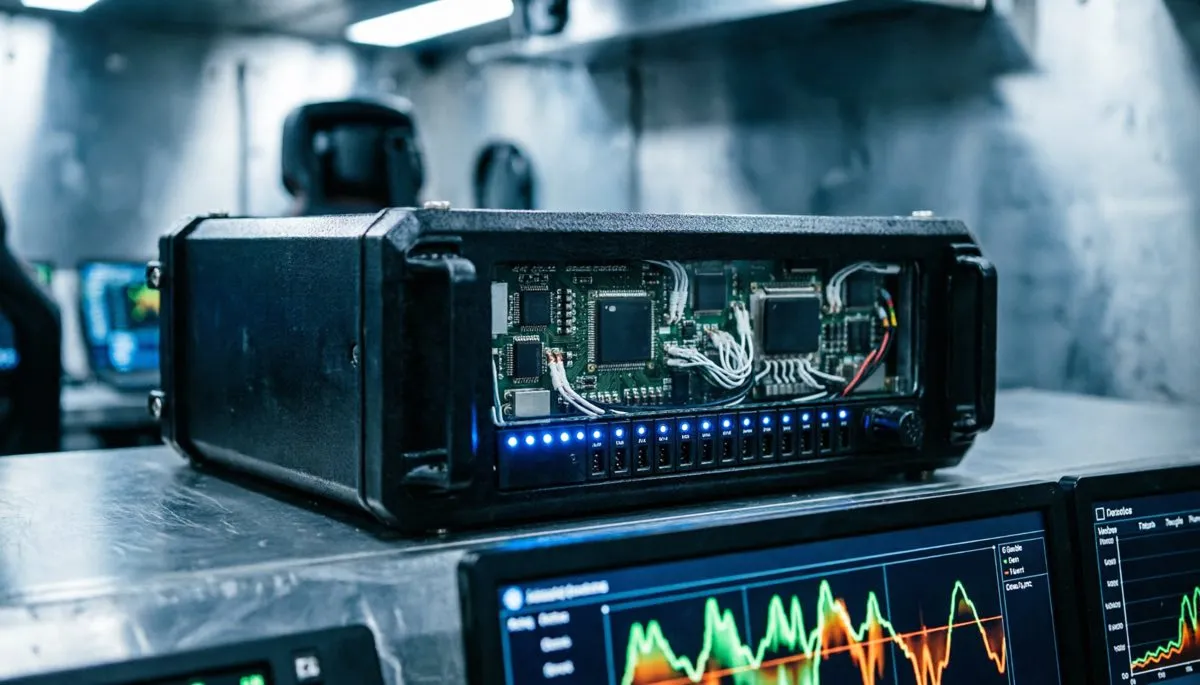
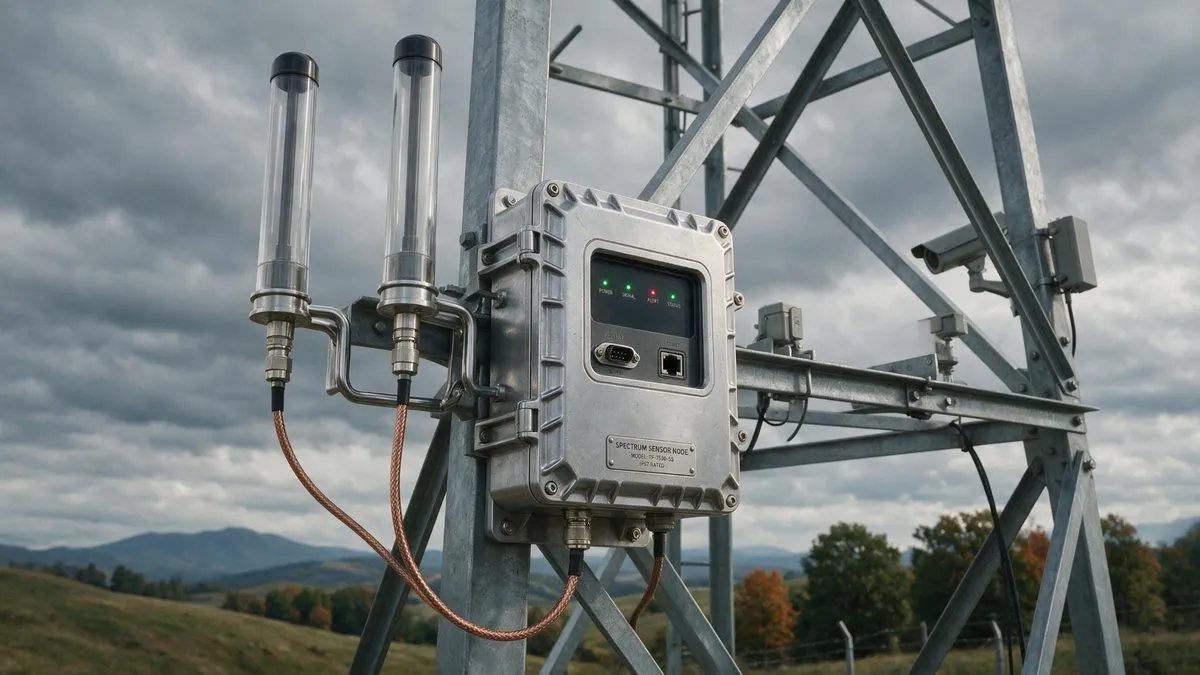
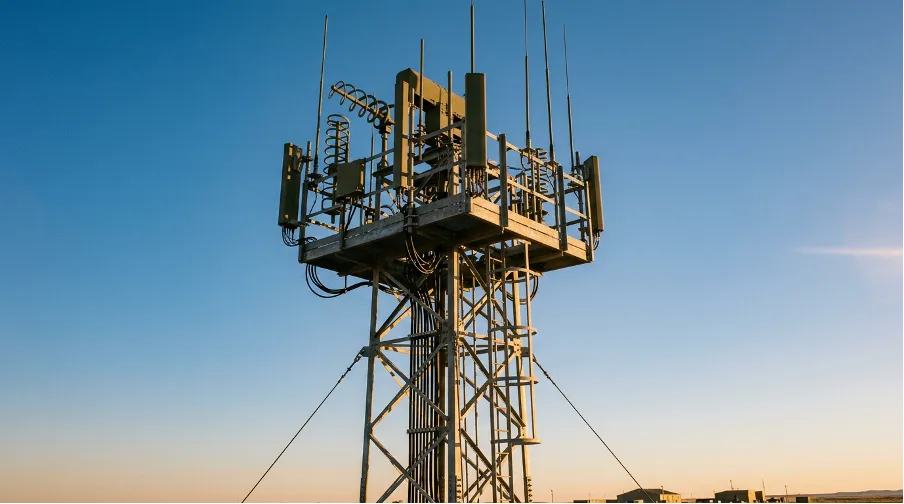
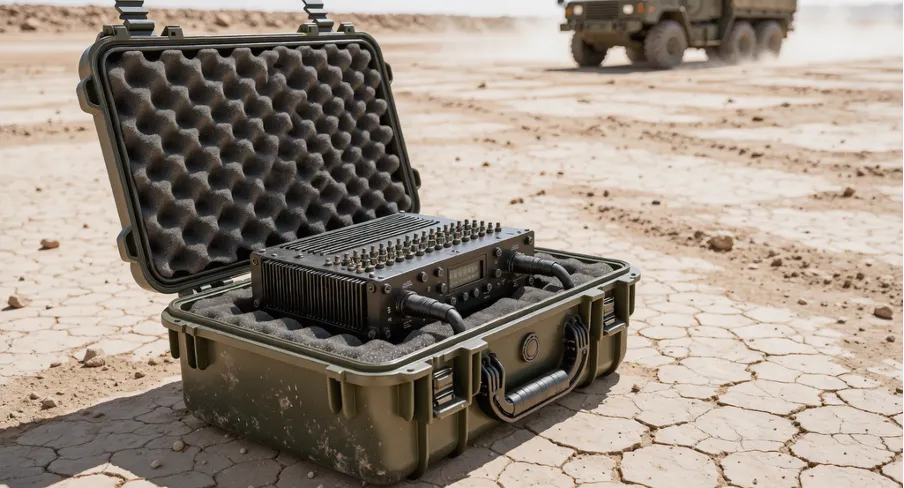
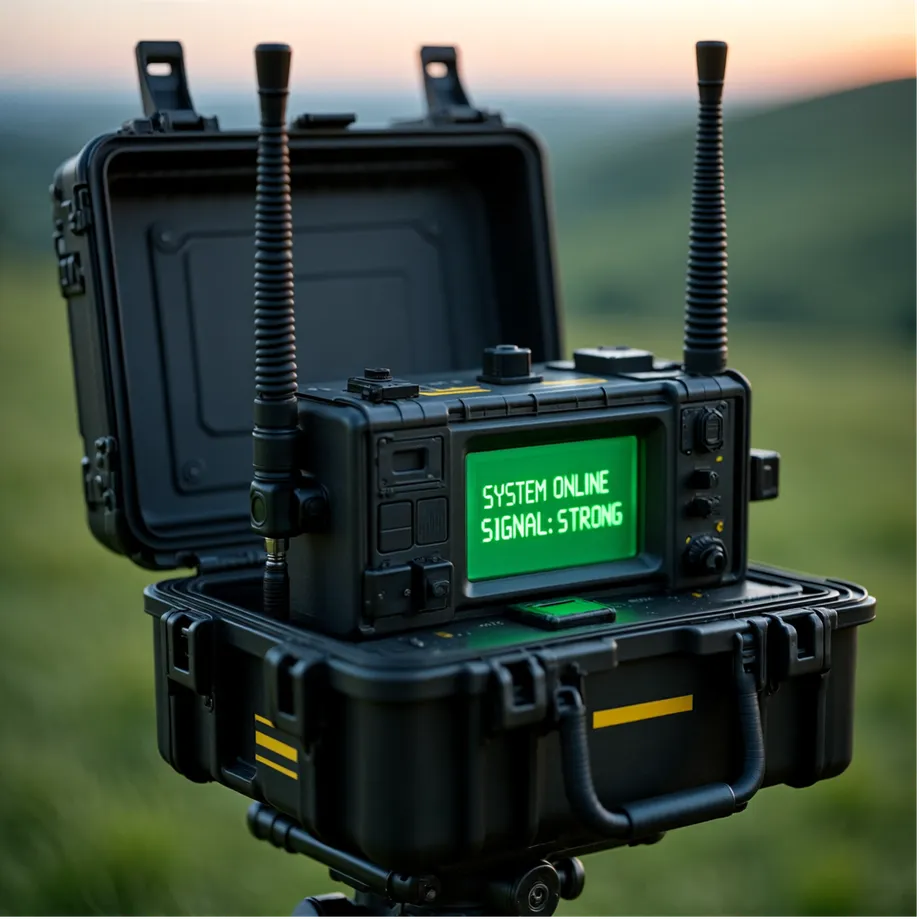
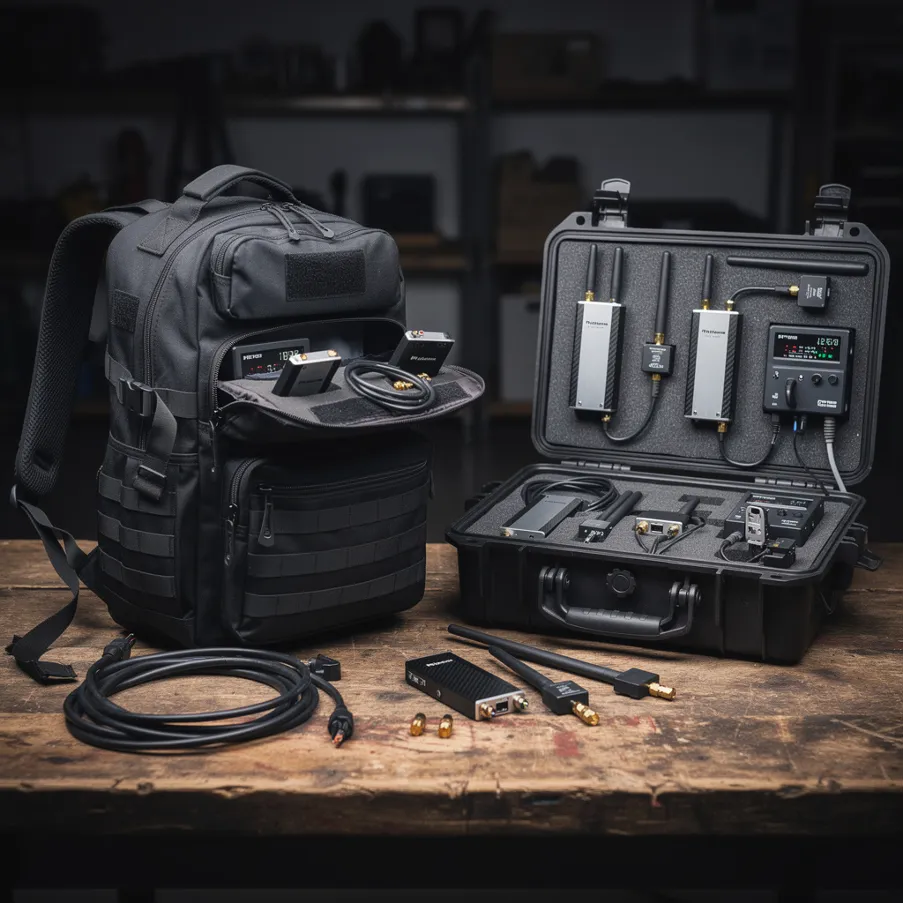
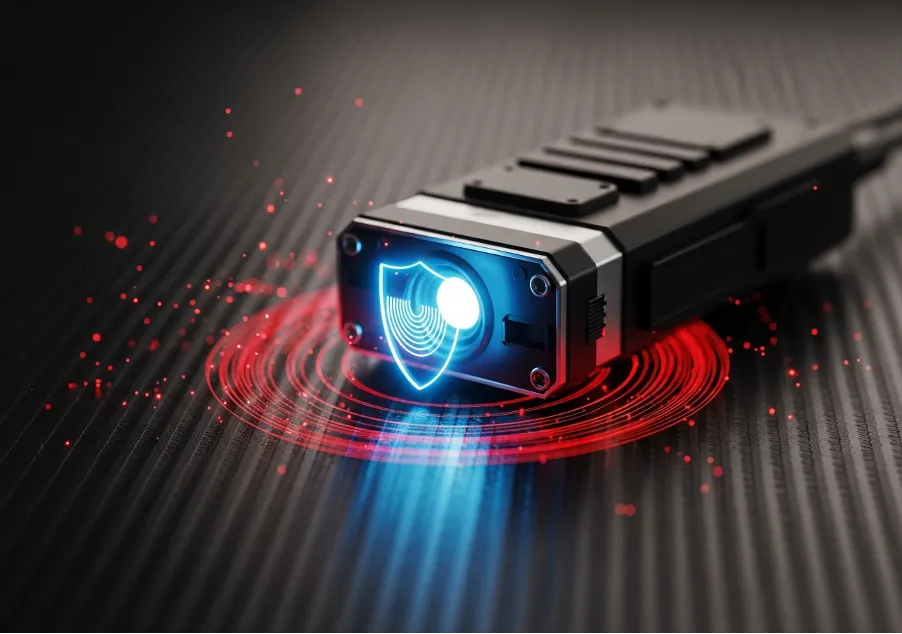
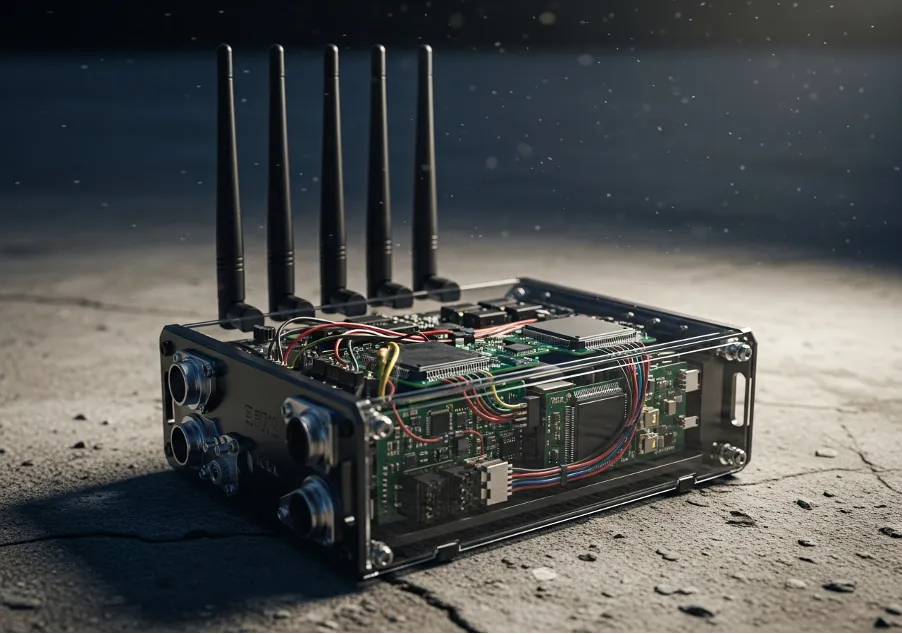
While traditional wired systems secure permanent vaults, dynamic environments demand more flexibility. The PRO-WALL system represents the next evolution in seismic engineering, specifically designed for border protection and remote areas where trenching for cables is impossible. By combining seismic detection with encrypted radio transmission, these detectors create an invisible line of defense that adapts to the terrain rather than requiring the terrain to be modified.
The core advantage of this system lies in discreet perimeter control. The sensors are easily camouflaged or buried, leaving no visual signature for intruders to identify and avoid. This invisibility is crucial for critical-site security, such as oil refineries or remote power substations, where deterrence is often less effective than early warning. The seismic units detect footsteps and vehicle movement, distinguishing them from natural background noise before transmitting alerts to a central hub.
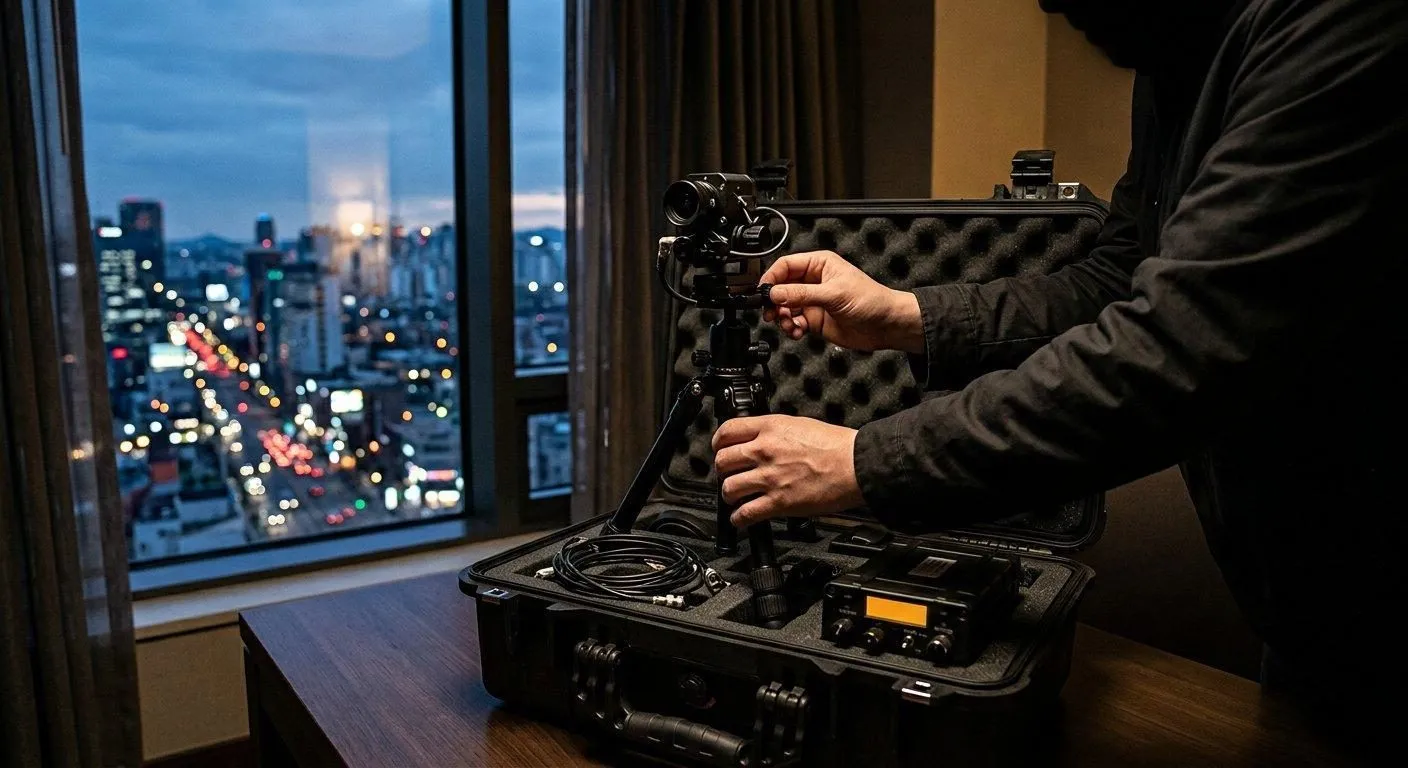
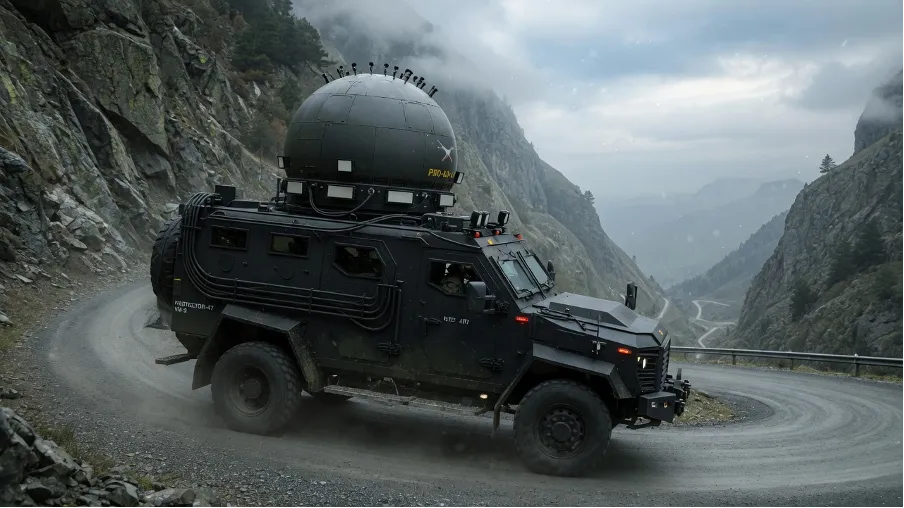
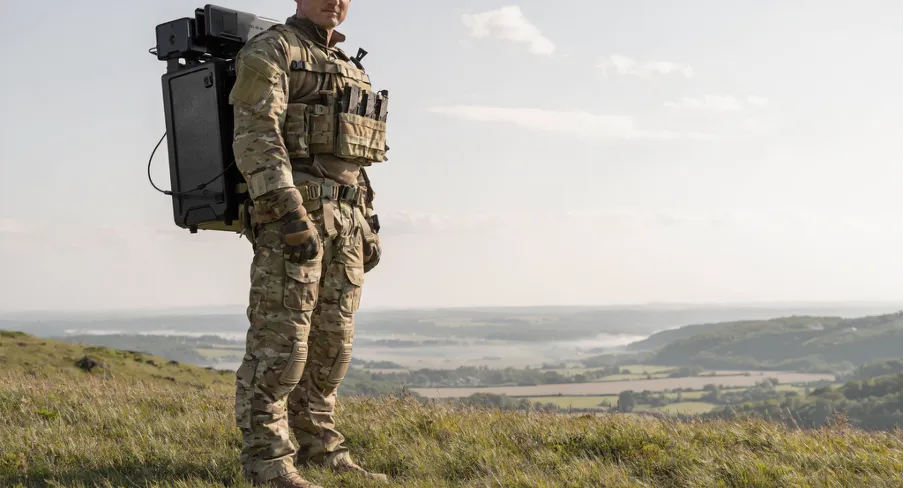
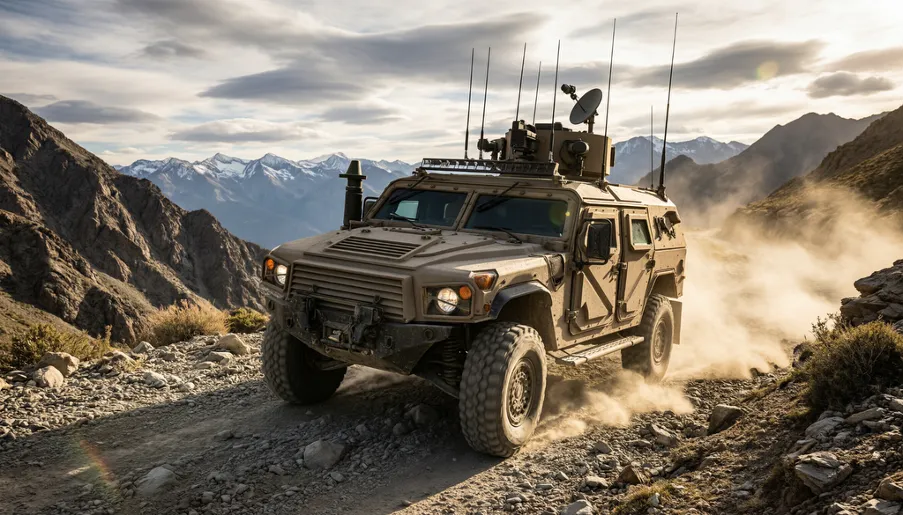
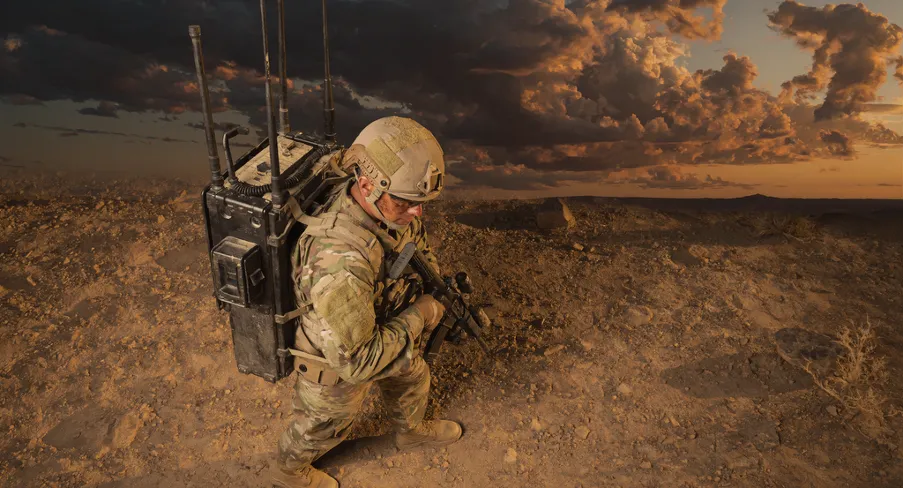
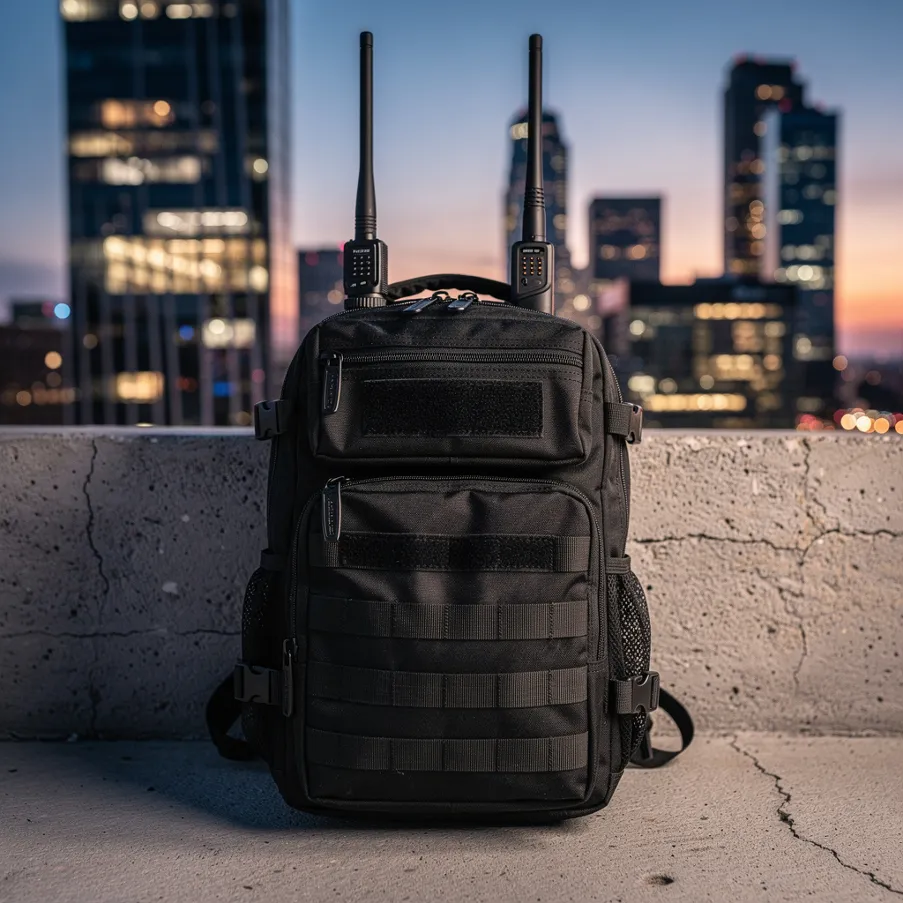
Speed is often the deciding factor in tactical operations. PRO-WALL enables rapid deployment border control, allowing security teams to secure a perimeter in minutes rather than days. This capability is indispensable for temporary event safeguarding, such as protecting VIP summits or field camps, where the security footprint must disappear once the event concludes. The system supports the quick establishment of temporary control posts, giving operators immediate situational awareness without heavy construction investment.
Modern border control technology has moved beyond simple physical barriers. It now relies on intelligent sensing grids that can differentiate between a stray animal and a tactical crossing. PRO-WALL integrates seamlessly into broader infrastructure security strategies, bridging the gap between portable tactical gear and permanent installations. It provides the same high-fidelity seismic analysis discussed earlier, but with the mobility required for the shifting frontiers of modern security.
How Seismic Security Sensors Reduce False Alarms
False alarms erode trust. After a dozen nuisance alerts, operators start ignoring the system. Seismic security sensors counter this problem with adaptive thresholds and multi-criteria logic.
Adaptive thresholds adjust sensitivity in real time. During windy conditions, background seismic vibration rises. A fixed threshold would trigger constantly. An adaptive algorithm raises the threshold just enough to reject wind-induced noise while still catching an attack signal that exceeds the ambient level by a defined margin.
Multi-criteria logic demands that more than one condition occur before issuing an alarm:
- signal amplitude exceeds the adaptive threshold;
- spectral content matches a stored attack profile;
- event duration falls within the expected range for the classified threat;
- the signal repeats within a defined time window, confirming sustained activity rather than a random impact.
Only when all conditions align does the system escalate. Some platforms add a confirmation step: after a preliminary detection, the controller increases sampling rate and applies a second-pass analysis with tighter parameters. This two-stage approach cuts nuisance alarms by an order of magnitude compared to single-threshold systems.
Environmental compensation goes further in advanced units. Temperature drift shifts resonant frequencies of structures. A steel door panel vibrates differently at -20 C than at +35 C. The controller recalibrates its baseline periodically - hourly or daily - to track these shifts and avoid drift-induced false positives.
Why Every Earthquake Detector Needs Smart Calibration
An earthquake detector pulled from the box and bolted to a wall without calibration will detect something. Whether it detects the right thing at the right sensitivity - that depends on the setup process.
Calibration begins with a noise survey. The installer records ambient vibrations for 24 to 48 hours, capturing daytime traffic, nighttime quiet, HVAC cycles, and nearby industrial activity. The controller uses this data to build a spectral noise floor. Any future signal rising above that floor with the right characteristics triggers evaluation.
Next comes threshold testing. The installer simulates attack scenarios - drilling into a test panel, striking concrete with a hammer, cutting rebar with a grinder. Each scenario produces reference waveforms. The controller stores these as templates. During operation, incoming signals correlate against the template library. A high correlation score plus sufficient amplitude equals an alarm.
Field experience shows that seismic detection performance degrades without periodic recalibration. Buildings settle. Equipment gets added or removed. Nearby construction changes the vibration landscape. Scheduled maintenance every six to 12 months keeps detection rates high and false alarm rates low.
One common misconception links siesmic sensitivity to cost alone. Expensive sensors do offer wider bandwidth and lower electronic noise. But a well-calibrated mid-range sensor outperforms a premium unit left at factory defaults. Calibration, mounting, and algorithm tuning contribute more to real-world performance than raw hardware specifications. The sensor captures data. The intelligence lives in how that data gets interpreted.
Learn more about alternative systems and related products from Prodefence in Border Control.




















































































Trusted Worldwide
Operating in more than 50 countries, we provide cutting-edge defense solutions that ensure your safety to every corner of the globe.
Get Advice From Our Experts
Please complete the feedback form to gain exclusive access to our catalog showcasing models that are not available on our website
We’re here to assist you with any inquiries, support, or information you need. Whether you're interested in our defense products, looking to collaborate, or simply have a question, our team is ready to help.