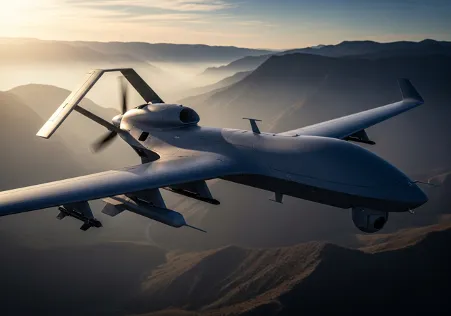
The Modern Military Drone
Understanding the Battlefield Roles of Specialized Tactical Drones
The discourse surrounding unmanned aerial vehicles has shifted dramatically over the past couple of decades. Once the domain of speculative fiction and advanced research labs, the concept of a remote-controlled military drone is now a fixture in geopolitical discussions and defense budgeting. These are not toys; they represent a fundamental change in how nations project power, gather information, and conduct warfare, operating in environments far too dangerous or inaccessible for human pilots. The integration of these platforms is no longer a novelty but a core component of military doctrine.
This evolution from simple surveillance tools to decisive battlefield assets has been rapid and disruptive. The proliferation of the unmanned combat aerial vehicle marked a critical turning point, creating a class of machine that could not only observe but also engage targets with precision from thousands of miles away. This capability introduces a host of complex strategic, ethical, and legal questions that military planners and governments are still grappling with. The age of push-button warfare, once a distant concept, is now a functional reality.
Operational Roles and Classifications
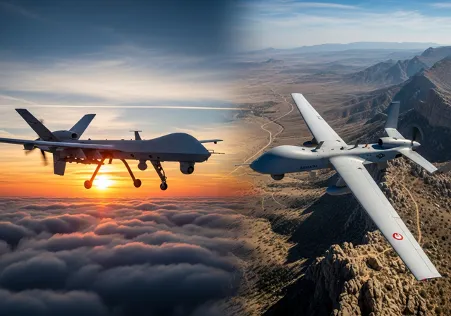
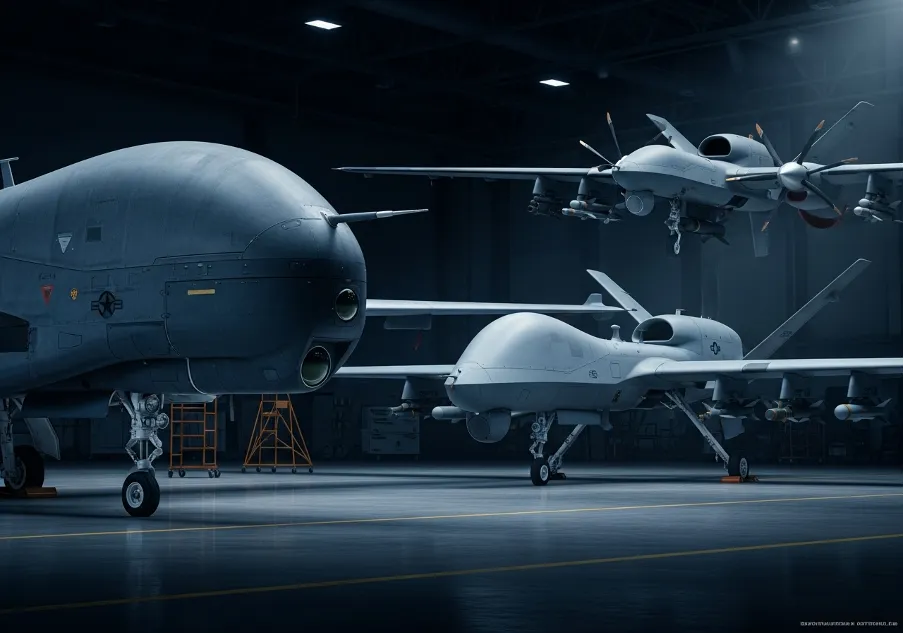
The application of unmanned systems varies greatly depending on the branch of service and the specific mission objectives. For instance, high-altitude, long-endurance platforms are the quintessential air force drones, tasked with strategic reconnaissance over vast swaths of territory for extended periods. Their ability to loiter for 24 hours or more provides a persistent "eye in the sky" that manned aircraft simply cannot match due to pilot fatigue and fuel limitations. They are information-gathering leviathans.
At their core, these versatile military drones serve as unparalleled tools for intelligence, surveillance, and reconnaissance—the ISR mission set. They provide commanders with a real-time stream of data, enabling more informed decision-making. Before a single soldier enters an area, a drone can map the terrain, identify potential threats, and monitor enemy movements, fundamentally reducing the element of surprise.
Functionally, the various types of drones can be broken down into several key categories, though some platforms can perform multiple roles:
- Reconnaissance and surveillance. Platforms dedicated to gathering intelligence, from high-altitude strategic assets to small, short-range tactical units.
- Combat and strike. Systems armed with precision-guided munitions designed for offensive operations.
- Logistics and support. Emerging designs capable of transporting supplies, equipment, or even evacuating wounded personnel from active combat zones.
- Target and decoy. Drones used to simulate enemy aircraft for training purposes or to confuse and saturate enemy air defense systems.
This functional diversity illustrates that the term "drone" is exceptionally broad, covering a wide array of designs and purposes.
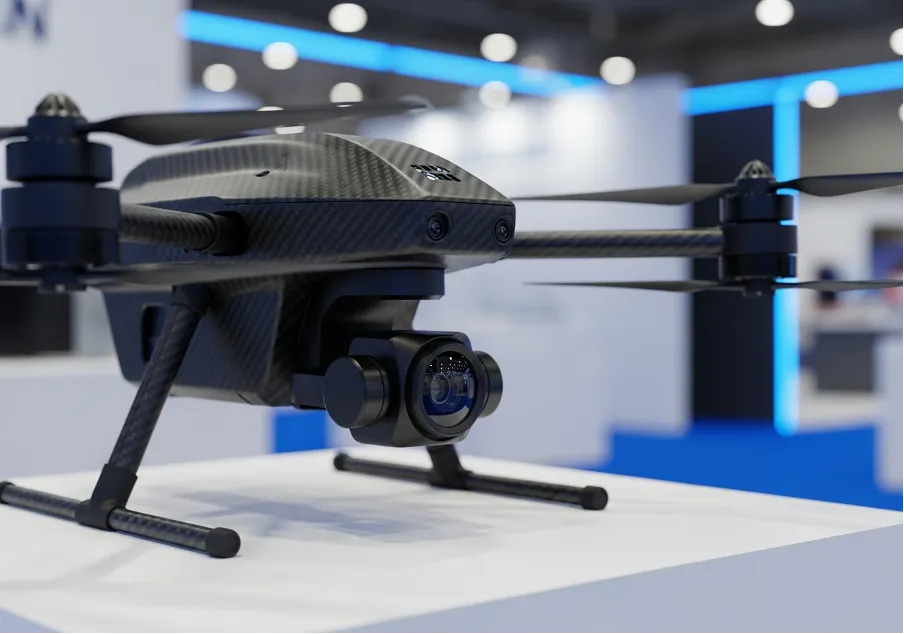
On the ground, the needs are more immediate and localized. A hand-launched army drone provides a platoon with a vital, over-the-horizon view, spotting ambushes or flanking maneuvers before they become critical threats. These smaller systems are rugged, designed for frontline use, and have become as essential as night vision goggles or encrypted radios for many infantry units.
A Question of Scale and Sophistication
The physical characteristics of these machines are dictated entirely by their intended role. Consequently, the optimal military drone size can range from a tiny, insect-like nano-drone used for spying inside a building to a massive surveillance platform with the wingspan of a Boeing 737. This immense variation underscores the specialized nature of these aircraft. The larger platforms are often satellite-controlled and operate at altitudes above 60,000 feet, while the smallest might have an operational radius of just a few kilometers.
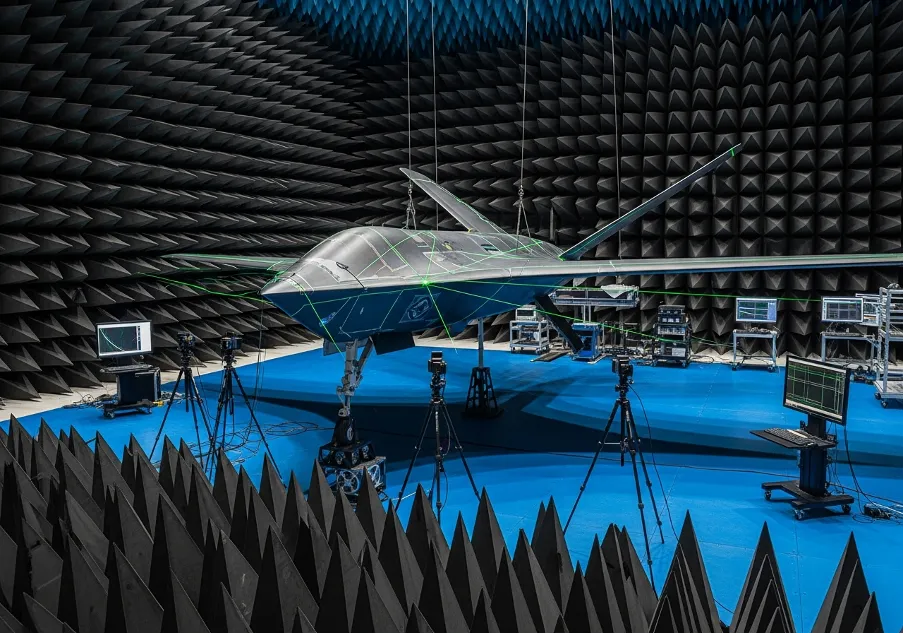
Engineers are constantly pushing the boundaries of what is possible. The development of future military drones is heavily focused on advancements in artificial intelligence, autonomous swarming capabilities, and improved stealth technology. The goal is to create systems that can operate with less human oversight, react faster to changing battlefield conditions, and survive in contested airspace where traditional drones would be easily detected and destroyed. Some concepts even involve "loyal wingman" drones flying in concert with manned fighter jets.
The distinction between a consumer product and a tool of war is immense. The designation of military grade drone signifies a build quality and technological suite designed to withstand the rigors of combat. This includes features like hardened GPS receivers resistant to jamming, encrypted communication links, and materials that can endure extreme weather conditions and even shrapnel damage.
The Tactical Dimension
At the smaller end of the spectrum, tactical drones are the workhorses of the battlefield, providing company- and battalion-level commanders with immediate, actionable intelligence. They are less about strategic, long-term surveillance and more about the here-and-now of a firefight, helping to direct artillery, identify enemy positions, and conduct battle damage assessments.
The global market for UAV drones for sale is a fiercely competitive landscape dominated by established defense contractors and a growing number of specialized tech firms. Governments around the world are actively procuring these systems, leading to a complex web of international sales, technology transfer agreements, and export controls.
These tactical platforms excel at a number of critical battlefield tasks:
- Overwatch and force protection. Monitoring the perimeter of a base or the route of a convoy for suspicious activity/
- Target acquisition. Locating and identifying enemy targets for artillery, air strikes, or direct-fire weapons/
- Post-strike analysis. Confirming whether a target was successfully neutralized, allowing for efficient use of munitions.
This immediate feedback loop dramatically shortens the time between identifying a threat and acting on it.
The widespread adoption of a UAV drone military capability has fundamentally altered combined arms warfare, forcing changes in tactics, training, and force structure. Its integration is no longer optional for a force that wants to remain competitive. Furthermore, the different types of military drones are highly specialized, meaning that a logistics drone cannot perform a strike mission, and a high-altitude surveillance platform is useless for clearing a room.
From Observation to Armament
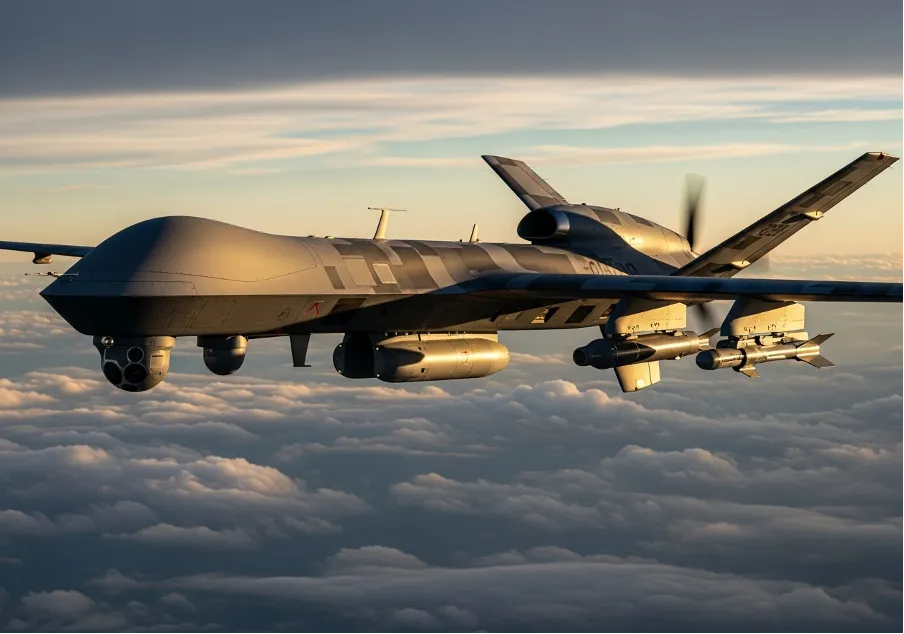
The most profound and controversial leap in drone technology was the decision to arm them. This move created attack drones, transforming them from passive observers into active participants in combat. The ability to find, fix, and finish a target with a single platform has made them a preferred tool for certain types of military operations.
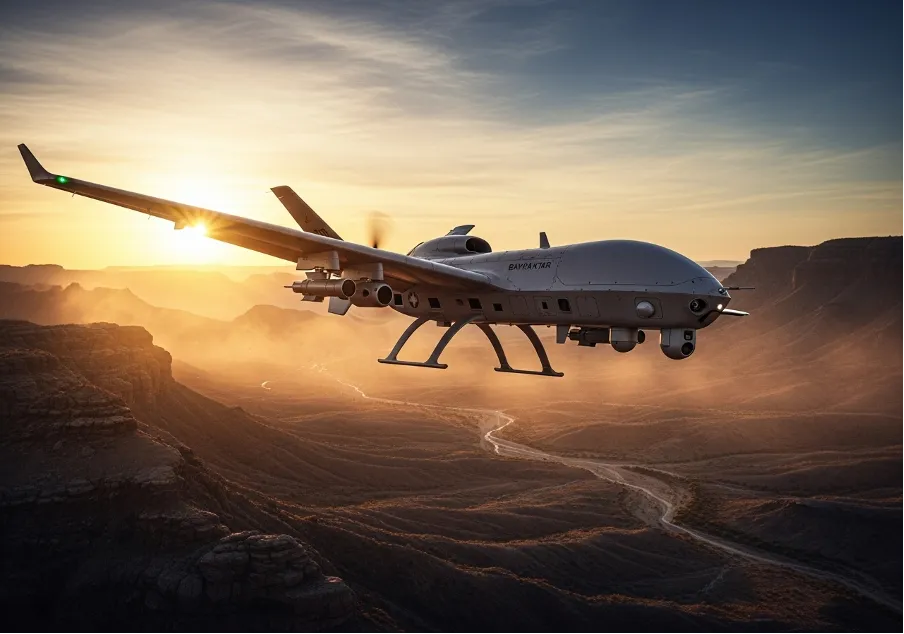
Icons of this era, like the Predator and Reaper, are among the most recognizable U.S. military drones and have seen extensive operational use for nearly two decades. These platforms, and others like them, defined the public perception of what a drone is and what it can do, for better or for worse.
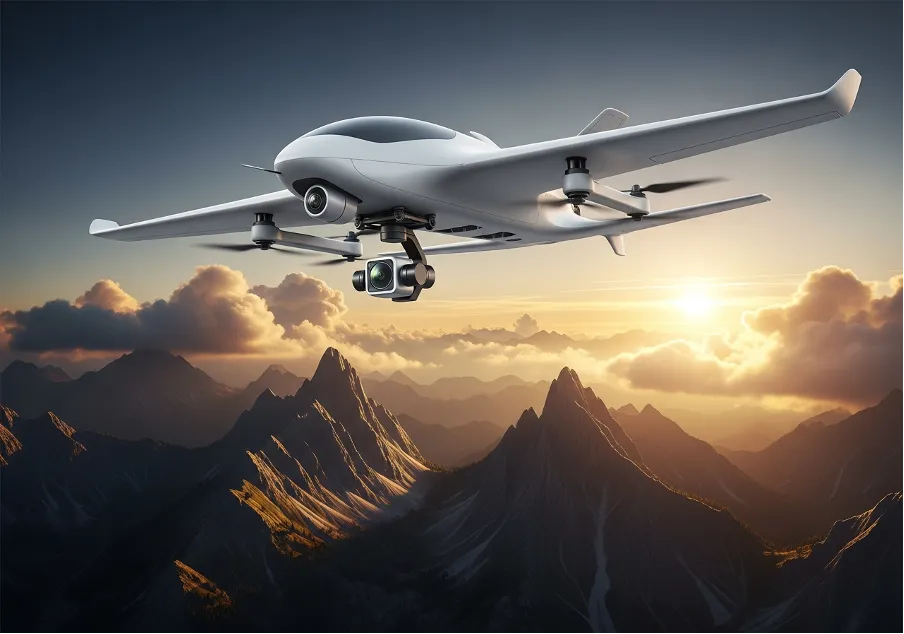
Not all unmanned platforms are fixed-wing aircraft. The development of the military helicopter drone provides the flexibility of vertical takeoff and landing (VTOL), making it ideal for naval operations from the decks of ships or for use in rugged terrain like mountains and dense jungles where runways are not available. They can hover and provide persistent surveillance in a way that fixed-wing models cannot. These armed systems are the very definition of military grade drones, featuring redundant control systems, secure data links, and the structural integrity to handle weapon recoil.
The Evolving Landscape
The global defense market is dynamic, and nations seeking to bolster their capabilities will find many military drones for sale from various international suppliers. This accessibility means that the technology is no longer exclusive to a handful of global powers, leading to a wider proliferation of these systems.
This proliferation, especially concerning armed drones, has ignited intense debate within international legal and ethical circles. Questions about accountability, civilian casualties, and the psychological impact of remote warfare on operators remain largely unresolved, even as the technology continues to advance. The legal frameworks are struggling to keep pace with the technological capabilities.
Finally, for nations or organizations without a domestic manufacturing base, the option to acquire a capable uav drone for sale from an allied country provides a shortcut to obtaining a significant aerial surveillance or strike capability, further changing the balance of power in many regions.
Learn more about alternative systems and related products from Prodefence in Unmanned Technologies.





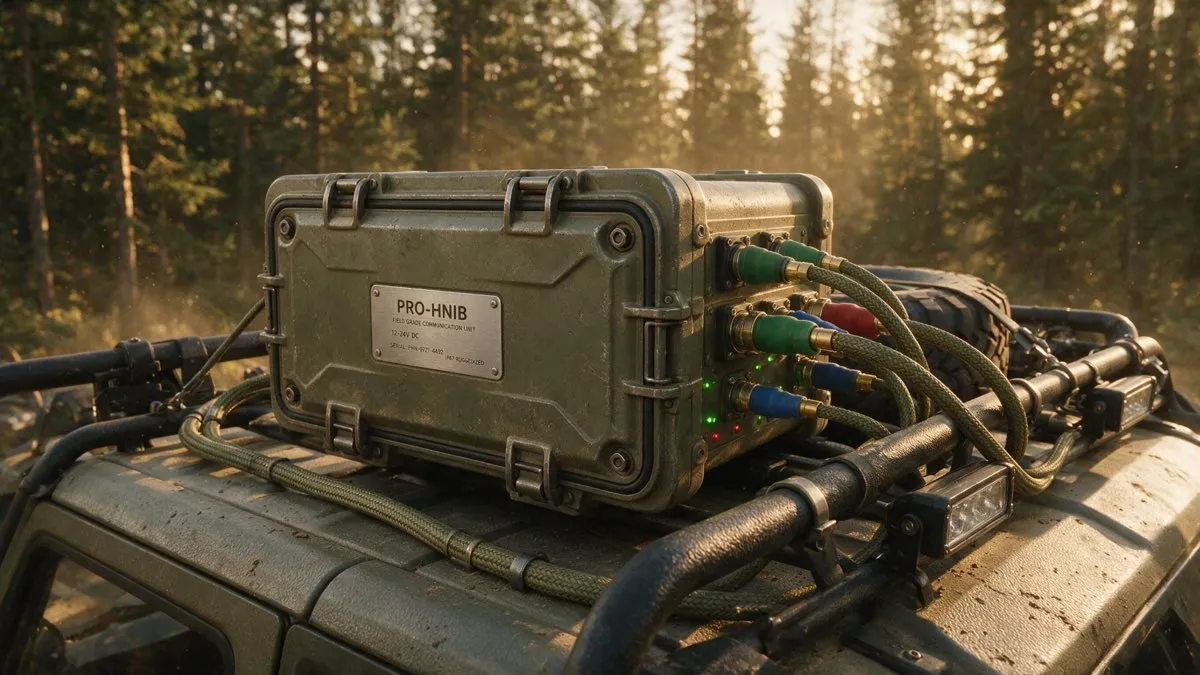



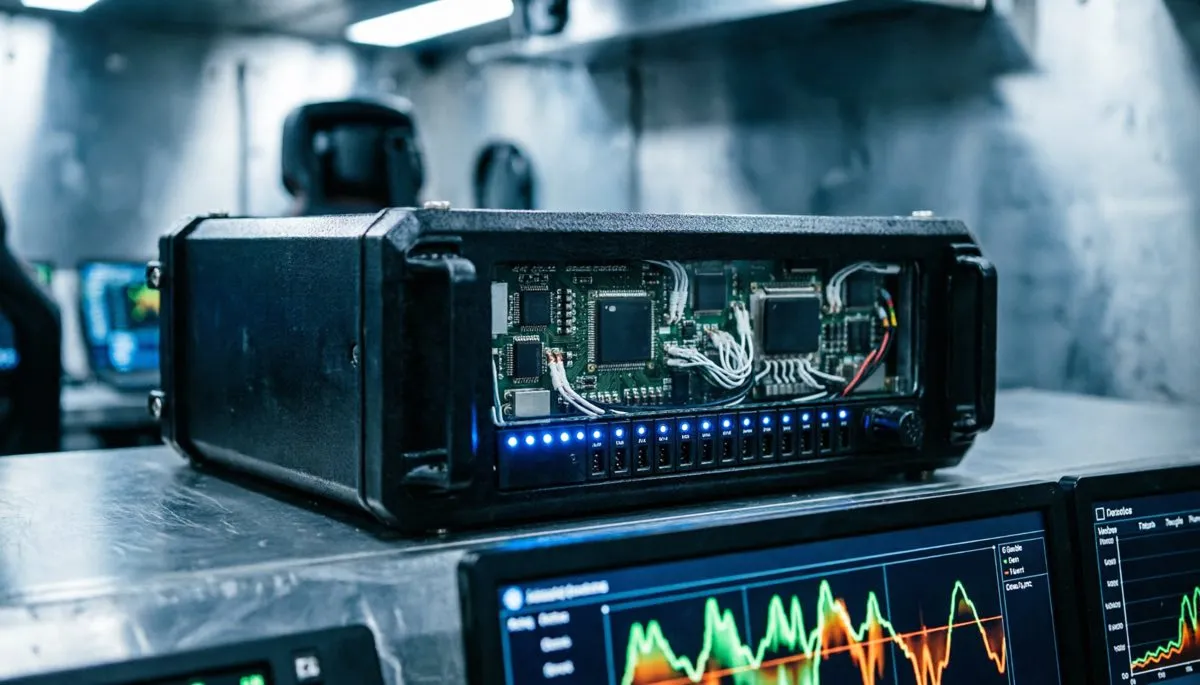
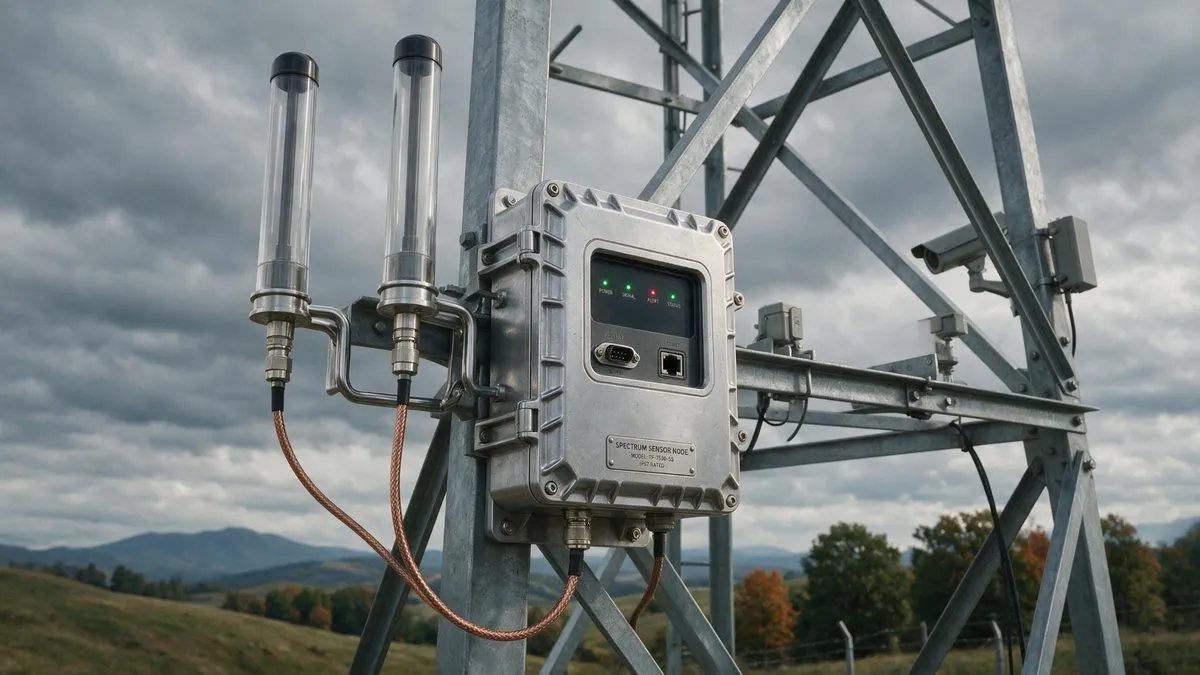













































Trusted Worldwide
Operating in more than 50 countries, we provide cutting-edge defense solutions that ensure your safety to every corner of the globe.
Get Advice From Our Experts
Please complete the feedback form to gain exclusive access to our catalog showcasing models that are not available on our website
We’re here to assist you with any inquiries, support, or information you need. Whether you're interested in our defense products, looking to collaborate, or simply have a question, our team is ready to help.