Fake Cell Tower Threats
How an IMSI Grabber Steals Your Private Identity
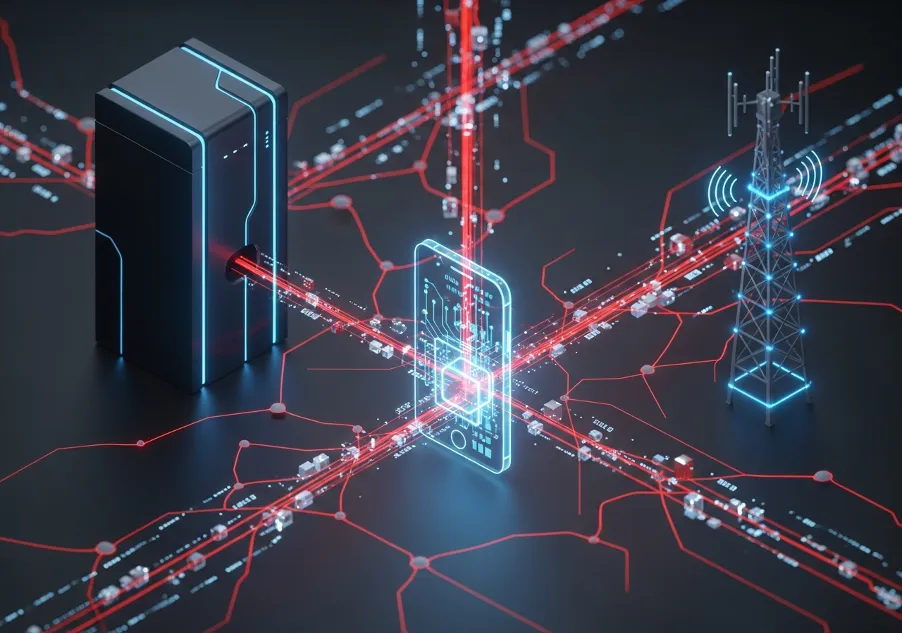
Your smartphone is constantly shouting its identity to the world, looking for the strongest signal to cling to. This inherent need for connection is exactly what surveillance hardware exploits to listen in. A standard IMSI catcher sits quietly between your device and the real network provider, effectively hijacking the communication channel.
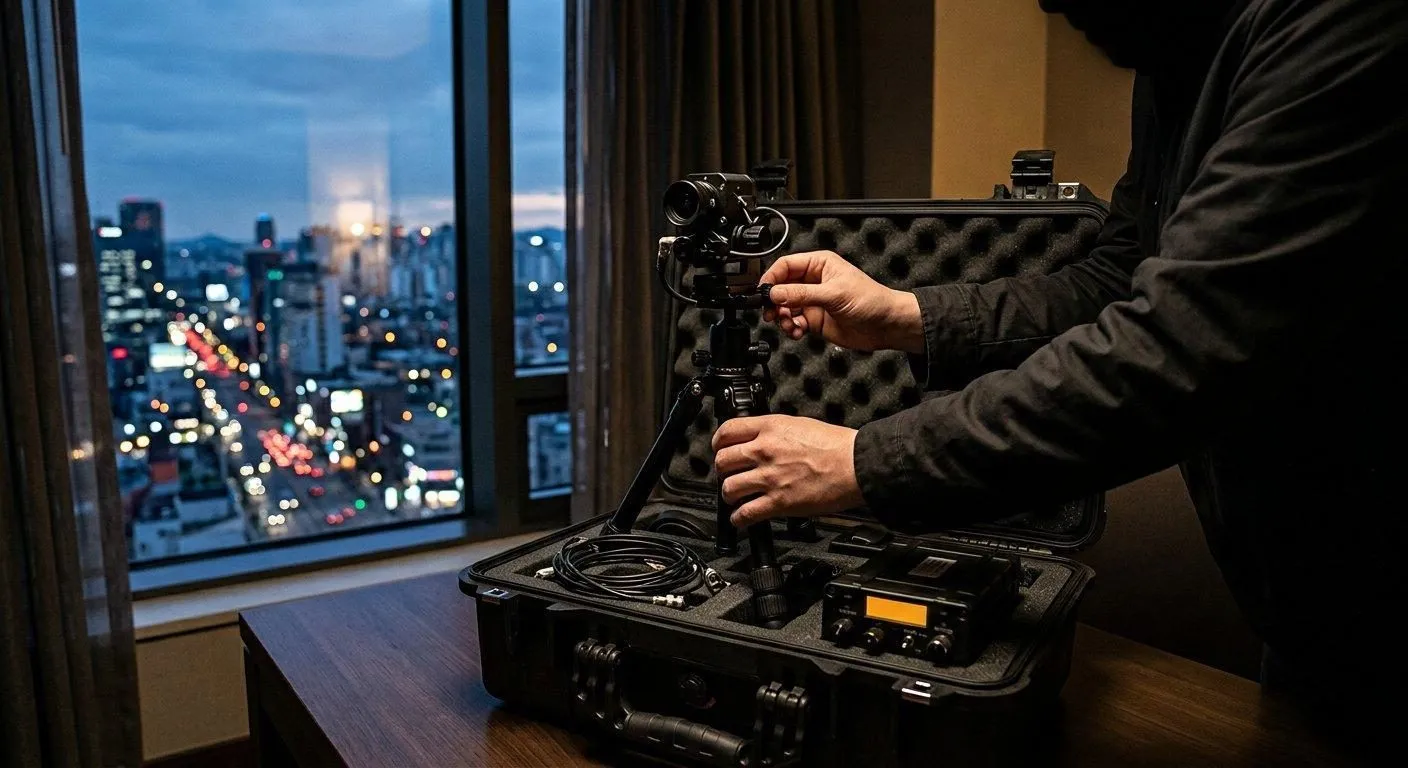
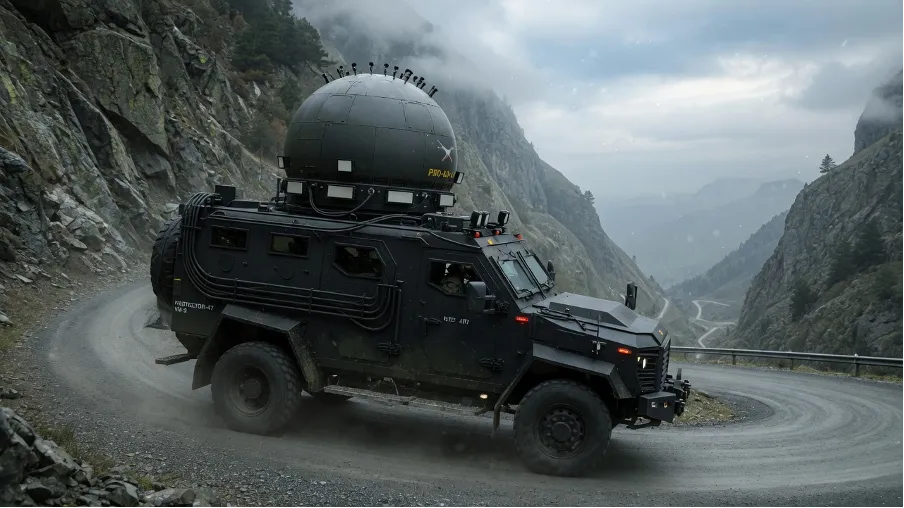
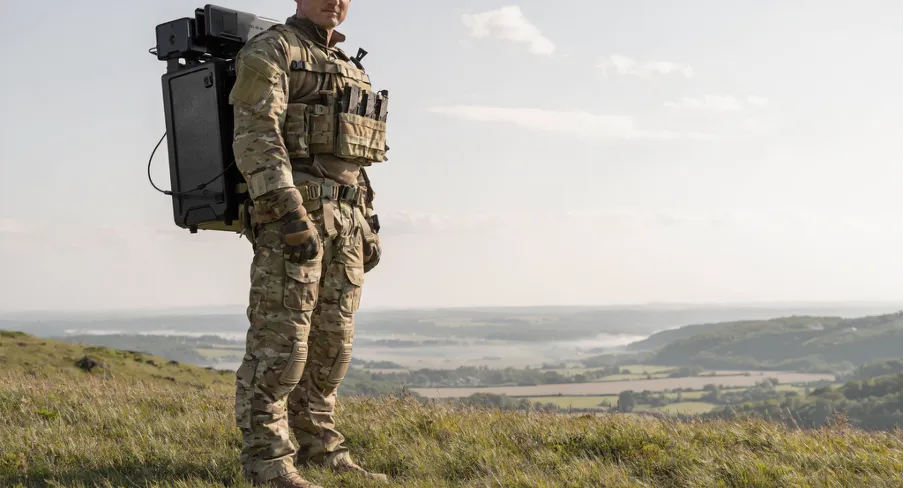
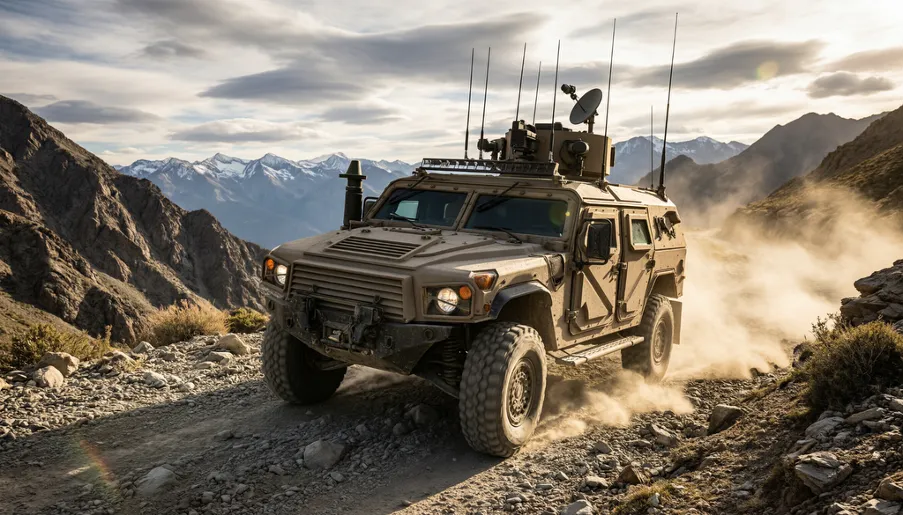
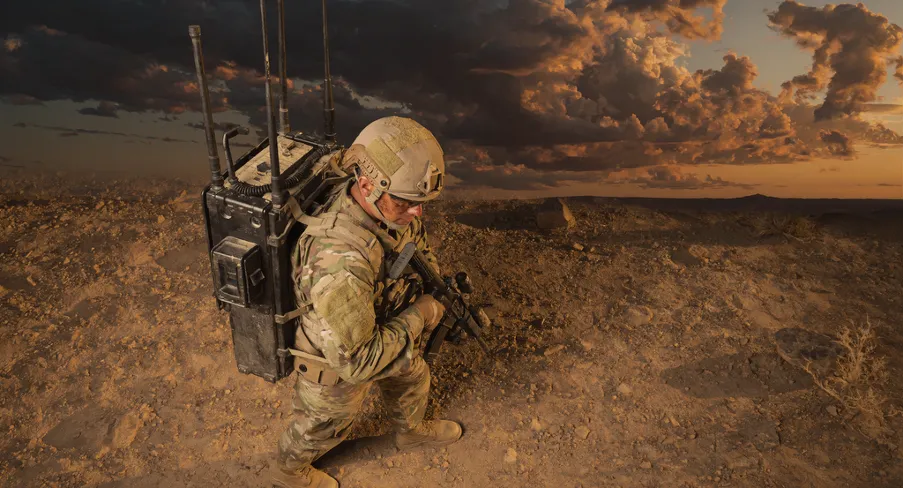
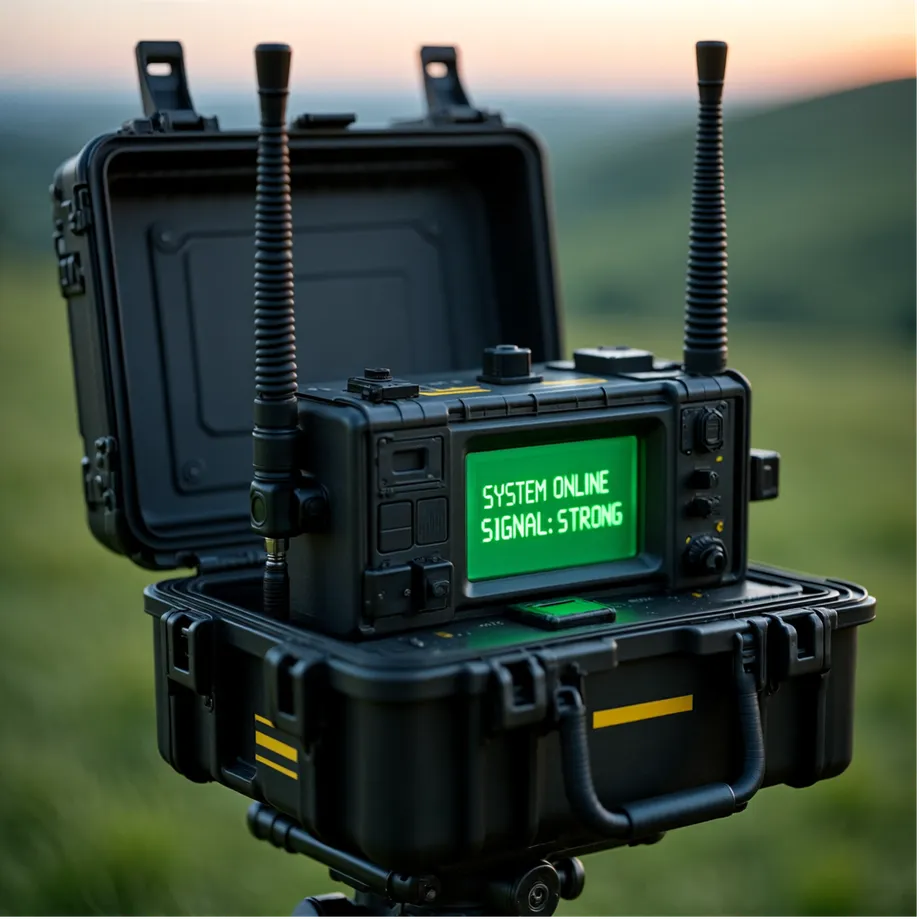
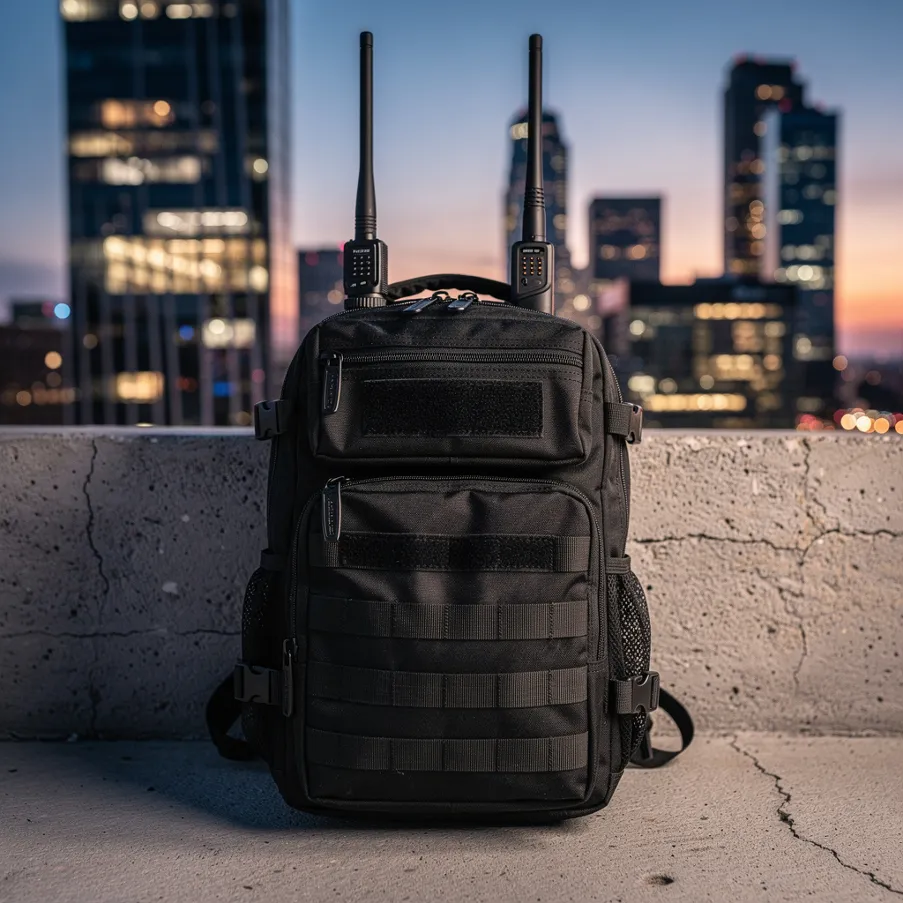
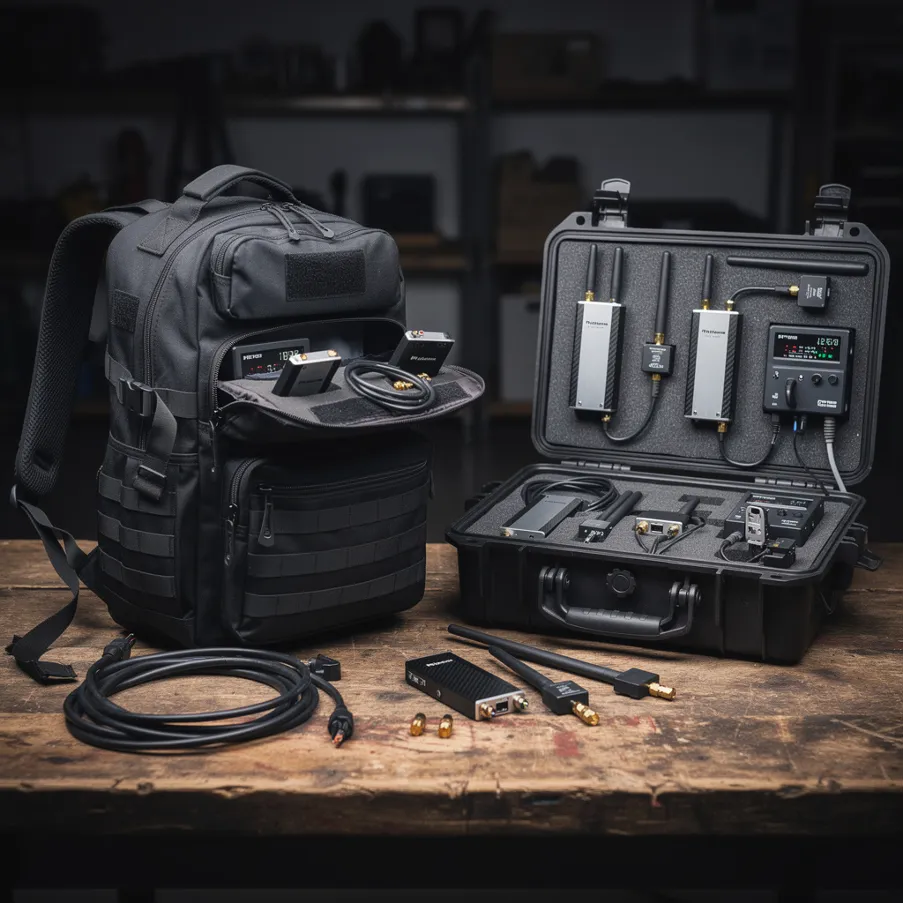
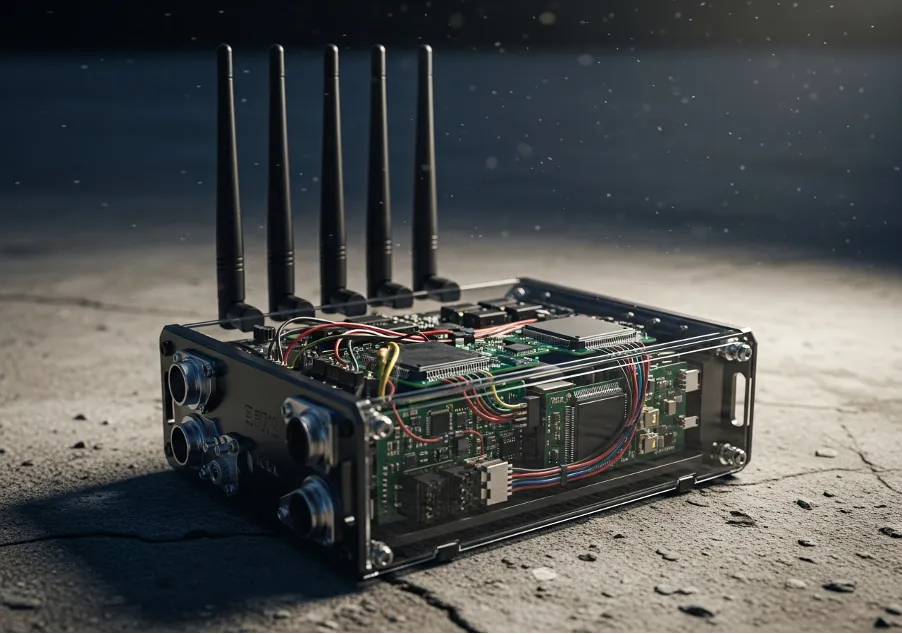
Authorities and criminals alike use this technology to track movements or intercept calls without the user ever knowing. While a typical IMSI-catcher was once heavy equipment mounted in vans, modern versions are small enough to be carried by a single person in a backpack.
The Mechanics of a Fake Tower
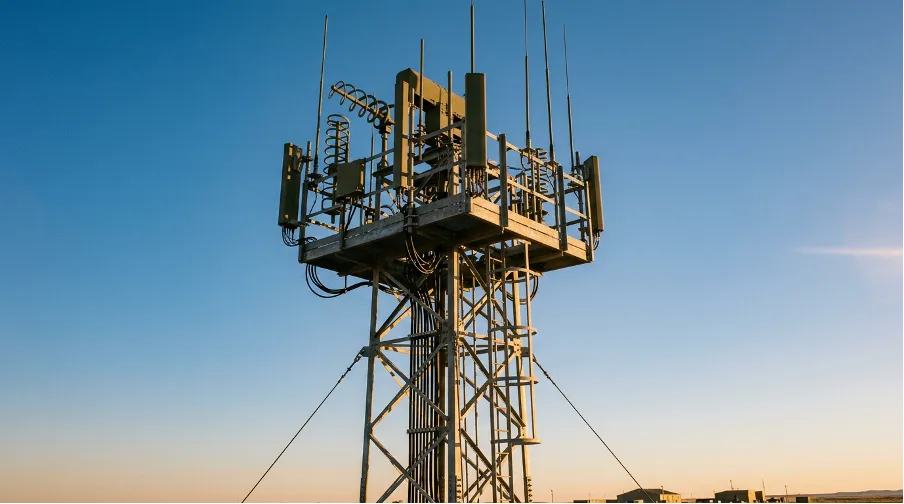
The fundamental concept relies on a vulnerability in mobile communication protocols where phones blindly trust the strongest signal. By acting as a fake cell tower with a higher power output than legitimate local stations, the device forces nearby phones to disconnect from their provider and connect to the attacker.
Once the connection is established, the hardware performs a Man-in-the-Middle (MITM) attack. To understand what is an IMSI catcher doing at this stage, imagine a translator who secretly alters messages between two diplomats. The device relays signals to the real network, keeping the victim connected, but reads everything passing through.
This equipment essentially functions as a high-tech signal catcher device that exploits the lack of mutual authentication in older network generations. The network authenticates the user, but in 2G modes, the user's phone does not authenticate the network.
Downgrading and Decryption
The most dangerous aspect of these interceptions is the ability to force a protocol downgrade. Modern 4G and 5G networks have better security, so IMSI catchers often jam these frequencies to force the phone onto the vulnerable 2G or 3G spectrum.
Once the phone is pushed to an older protocol, the encryption barriers fall apart. Sophisticated IMSI catchers can command the device to use no encryption at all (A5/0 mode) or weak encryption that is easily broken in real-time.
The attack typically follows a ruthless logic:
- The device floods the area with noise to block LTE signals;
- The victim's phone scans for a fallback signal and finds the malicious node;
- The malicious node requests identity parameters and disables encryption keys.
Law enforcement agencies frequently deploy fake cell towers to identify all individuals present at a protest or a specific location. An effective IMSI grabber collects thousands of unique identifiers in minutes, creating a digital dragnet that sweeps up innocent bystanders alongside targets.
Tracking More Than Just Calls
The primary goal is often acquiring the International Mobile Subscriber Identity, but the surveillance capabilities go deeper. A dedicated IMSI tracker allows the operator to pinpoint a target's physical location with frightening accuracy using triangulation.
Capturing the IMSI is just the entry point for building a comprehensive profile of the target. Advanced units also function as an IMEI catcher by requesting the hardware serial number of the phone itself, which remains constant even if the user swaps out the SIM card.
Operators can monitor passive cell phone pings to see who enters or leaves a specific building. This metadata is often more valuable than the content of calls because it maps out associations and daily routines without requiring a warrant for wiretapping.
Terminology and Hardware Variations
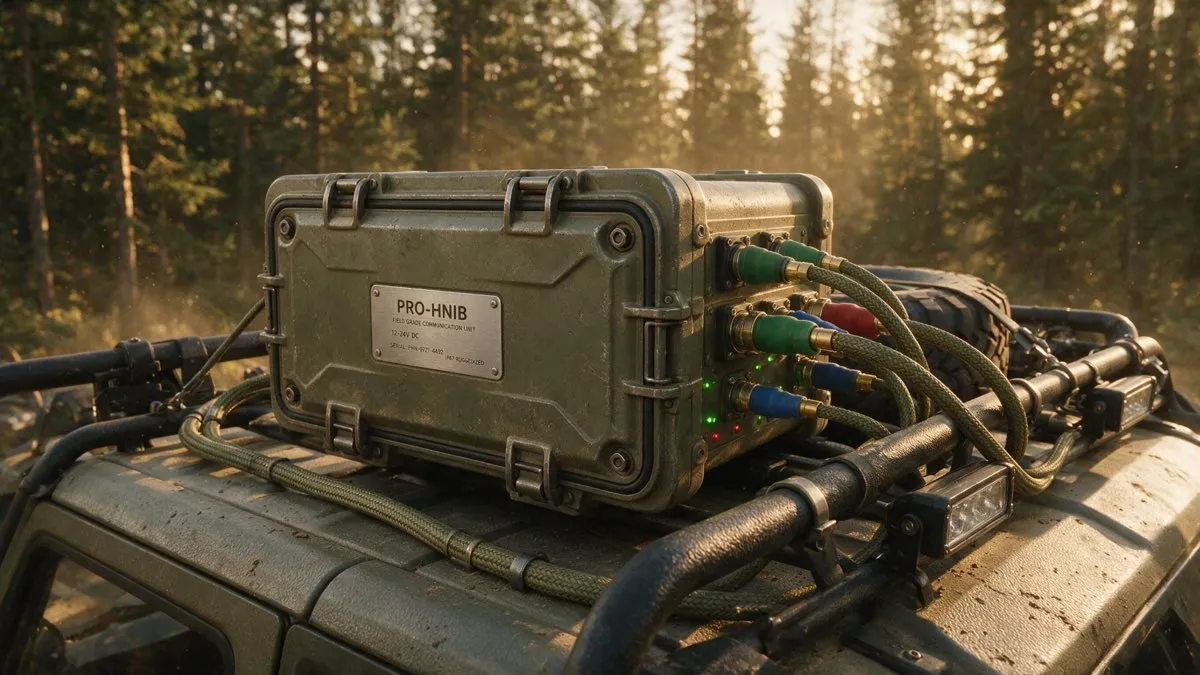
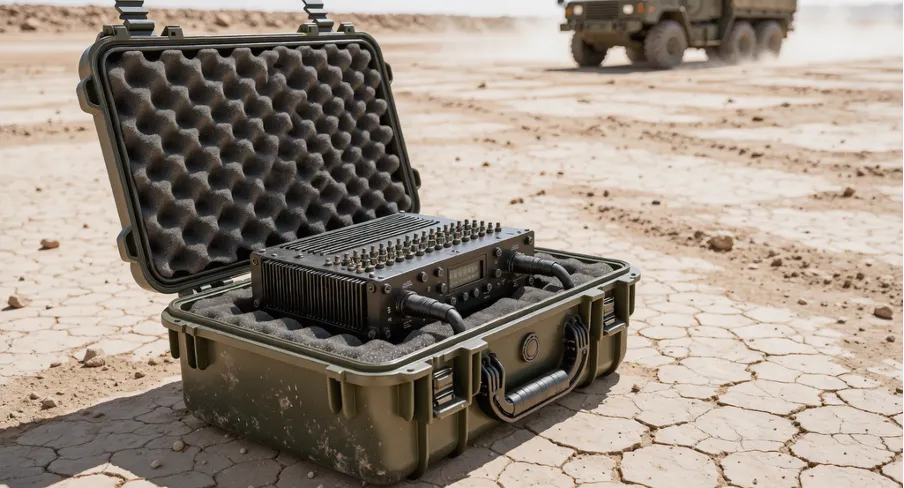
The market for this surveillance gear is vast, ranging from government-grade "Stingrays" to homemade devices built with software-defined radios. A portable IMSI catcher device can be built for a few thousand dollars, democratizing access to electronic warfare tools.
In technical circles, the term mc catcher is sometimes used as shorthand for these identity-grabbing machines. Users trying to understand their security logs often search for imsy meaning to figure out why their baseband processor is behaving erratically, realizing later it relates to their subscriber identity.
Even a typo-ridden search for an ismi catcher will lead you to vendors selling grey-market surveillance tech. Whether it is called a Stingray, a dirtbox, or a cell site simulator, the function remains the same: unauthorized interception of mobile traffic.
Detection and Countermeasures
Defending against these attacks is notoriously difficult because the exploitation happens at the hardware baseband level. A reliable IMSI catcher detector is hard to find because standard mobile operating systems do not provide access to the necessary radio diagnostic data.
Some open-source projects attempt to map suspicious activities. An experimental IMSI locator network can theoretically spot stationary interceptors, but mobile units remain elusive. Apps like AIMSICD or SnoopSnitch try to help, but they require rooted phones and specific chipsets.
Techniques involving emc tracking (electromagnetic compatibility) can sometimes reveal the high-power output of a rogue tower. However, for the average user, a sniffing phone looks and acts exactly like a normal one, perhaps with just a slightly faster battery drain or a warmer case.
Signs of potential interception include:
- The phone suddenly switching to 2G (EDGE/GPRS) in a high-coverage 4G area;
- Difficulty making outgoing connections despite having full signal bars;
- The unexpected appearance of "ciphering off" indicators on older handset screens.
Ultimately, the best defense is using end-to-end encrypted communication apps like Signal, which protect message content even if the transport layer is compromised.









































































Trusted Worldwide
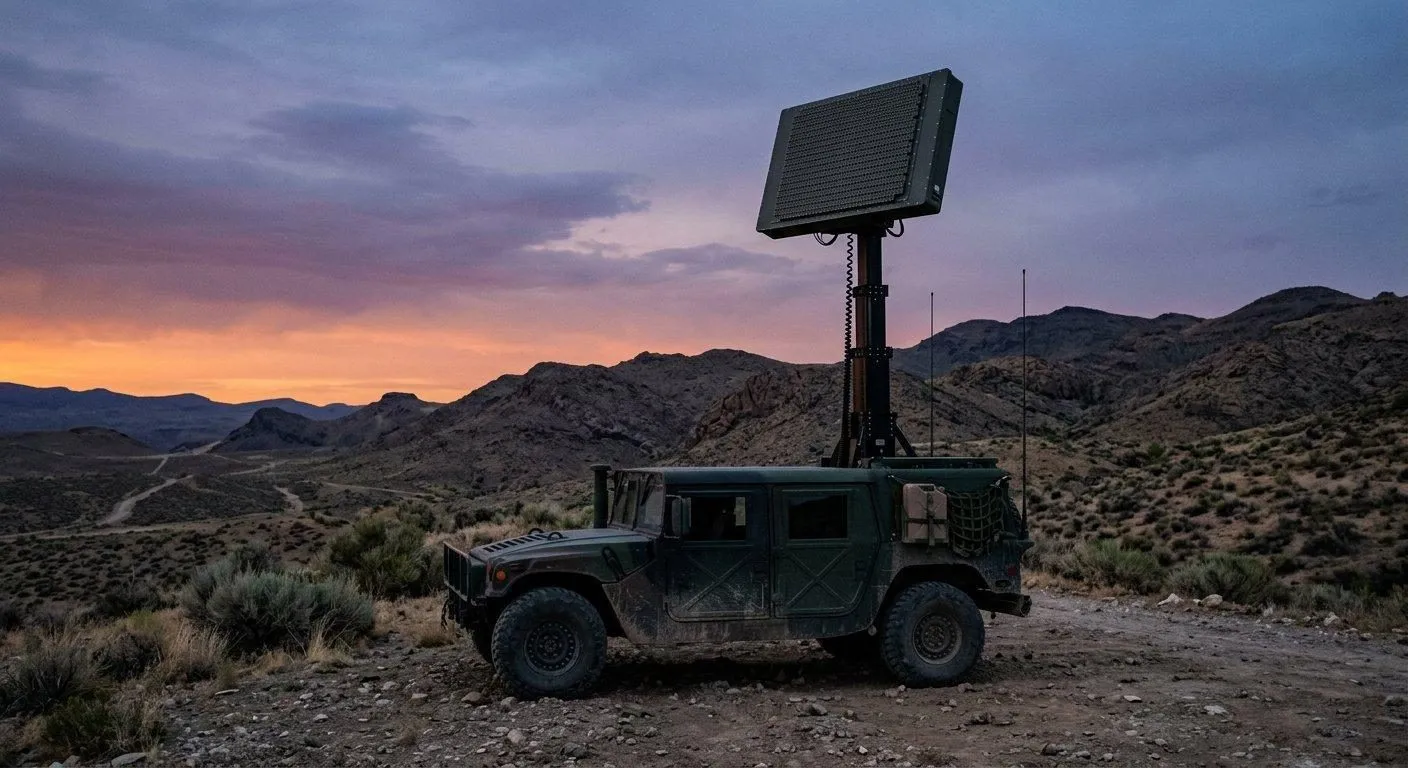
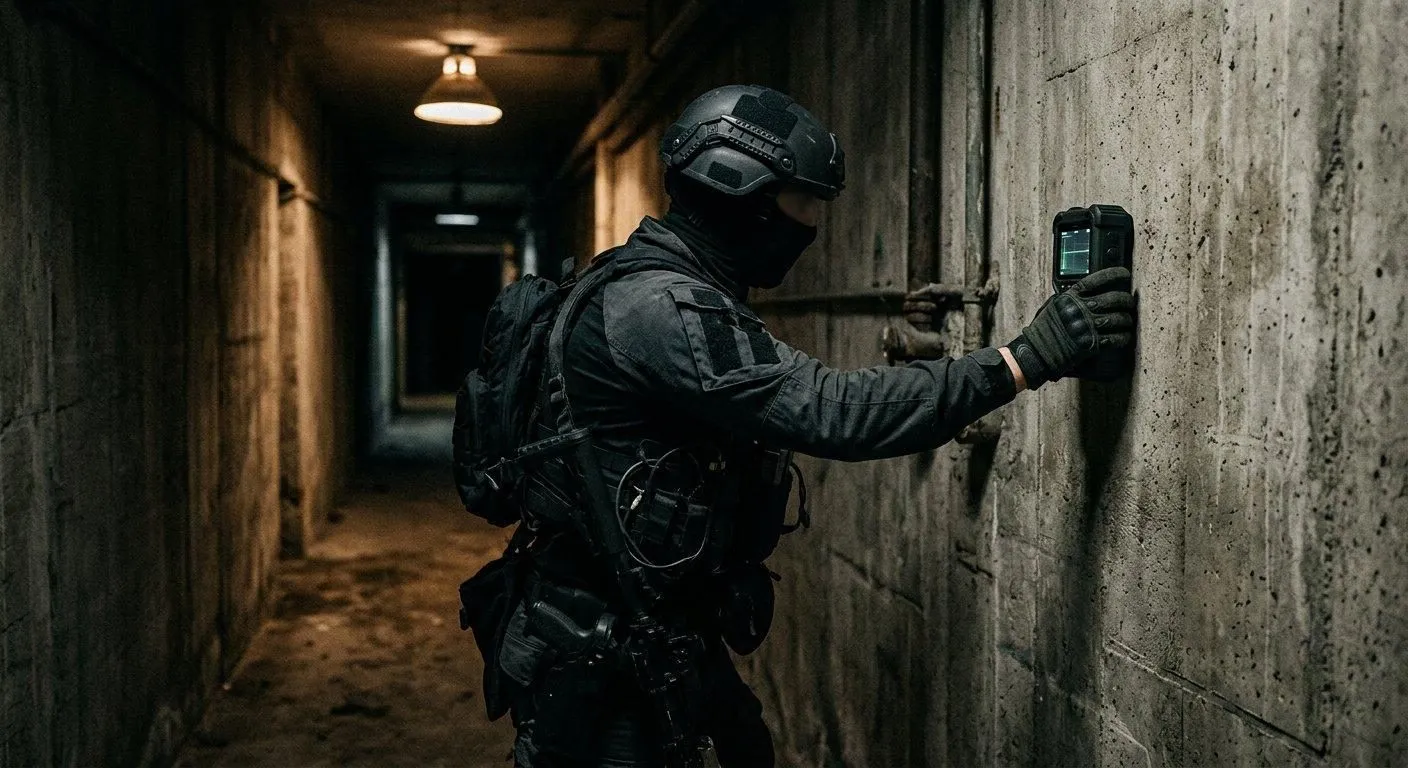
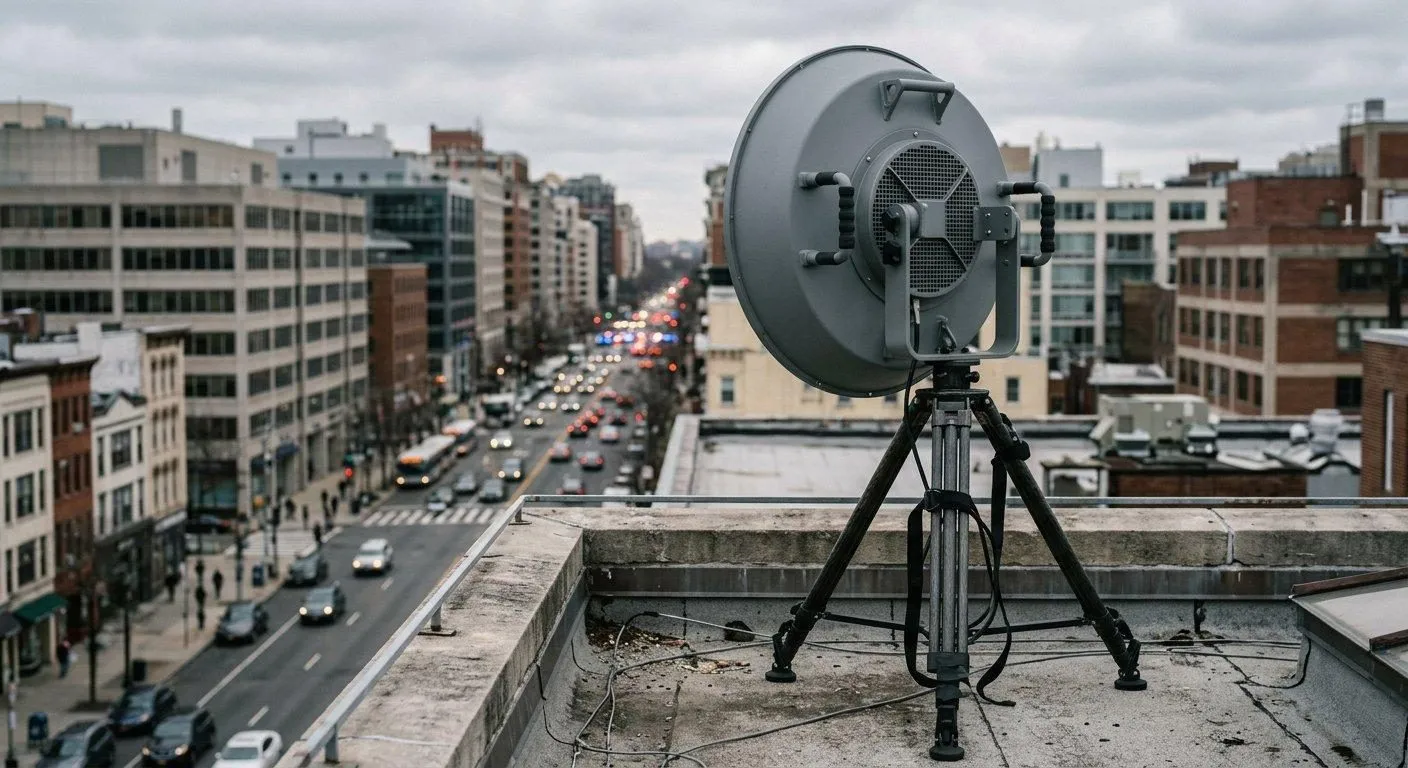
Operating in more than 50 countries, we provide cutting-edge defense solutions that ensure your safety to every corner of the globe.
Get Advice From Our Experts
Please complete the feedback form to gain exclusive access to our catalog showcasing models that are not available on our website
We’re here to assist you with any inquiries, support, or information you need. Whether you're interested in our defense products, looking to collaborate, or simply have a question, our team is ready to help.