
Integrating a direction finder
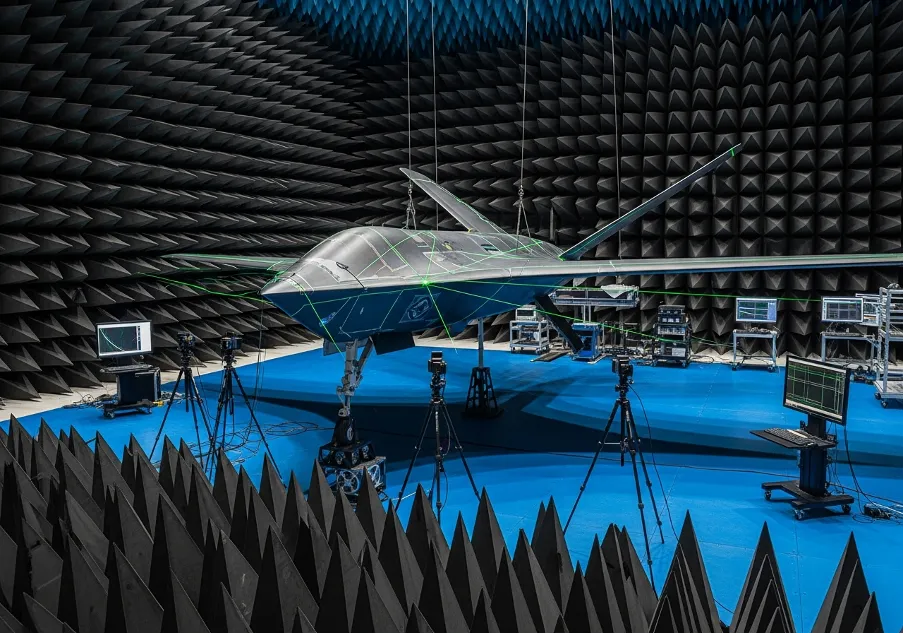
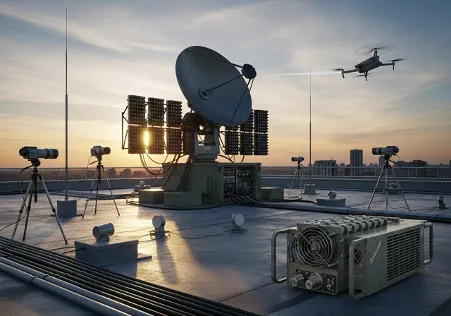
Complex radio direction finding equipment suite
The basic principles of pinpointing a transmitter haven’t changed much since Hertz first played with wire loops in the late 1800s. It all comes down to how a wave hits a conductor. When an antenna is parallel to the incoming signal, it picks up the maximum energy; turn it ninety degrees, and the signal drops to almost nothing. This «null» point is actually much sharper than the peak, which is why early operators spent so much time spinning heavy copper frames just to find a silence that indicated a heading.
Heinrich Hertz demonstrated the basics of radio direction finding back in 1888. This discovery wasn't just a lab curiosity—it became the bedrock of maritime safety within a couple of decades. Before GPS made everyone complacent, a navigator’s life depended on their ability to interpret these invisible patterns:
- the physical orientation of a loop relative to the north;
- the subtle difference in phase between two separate antenna elements;
- the interference patterns caused by the surrounding landscape or ship’s hull;
- the atmospheric conditions that might bounce a signal from the ionosphere.
These factors turned a simple measurement into a high-stakes guessing game for decades. It took the invention of the Bellini-Tosi goniometer to finally move the "spinning" part of the process inside a small, manageable box on the bridge.
The move from mechanical to electronic switching was the next logical jump. Engineers focused heavily on RF direction finding during the interwar years. This shift allowed for much faster tracking, which was critical when trying to catch a signal that only lasted a few seconds.
Strategic Impact and the Huff-Duff Era
By the time World War II broke out, the stakes for locating transmitters had shifted from simple navigation to survival. The Germans thought they could evade detection by sending «burst» transmissions of less than thirty seconds. They assumed a human operator couldn't manually rotate a loop fast enough to catch them. They were wrong. The British «Huff-Duff» system used an oscilloscope to instantly show the signal's direction as a streak of light on a screen.
Special units performed both radio interception and direction finding against U-boats. This combination allowed the Allies to plot the location of a submarine the moment it touched its telegraph key. Calculations for the sake of finding direction weren't always perfectly accurate. However, even a rough estimate allowed destroyers to head in the right direction and force the enemy to dive. It is widely accepted that the UK's advanced direction finding systems were responsible for nearly a quarter of all U-boat kills.
The physical hardware on these ships was unmistakable. Wind resistance made the direction finding antenna look like a teardrop. Inside that housing, the wires were protected from the salt and gales of the North Atlantic.
The Shift to Phase and Doppler Methods
Modern technology has mostly abandoned the idea of moving parts. Instead of rotating a loop, we use a ring of antennas and compare the time it takes for a signal to hit each one. If the wave hits the northern antenna a microsecond before the southern one, the computer does the math. This digital processing improved these direction finding systems beyond all recognition.
These techniques often involve complex arrays:
- circular arrays of dipoles for 360-degree coverage;
- phased arrays that can "steer" their sensitivity electronically;
- pseudo-doppler systems that simulate a rotating antenna at high speed;
- interferometer setups that measure tiny phase differences.
The resulting data is far more stable than anything an old-school operator could produce with a hand-cranked loop.
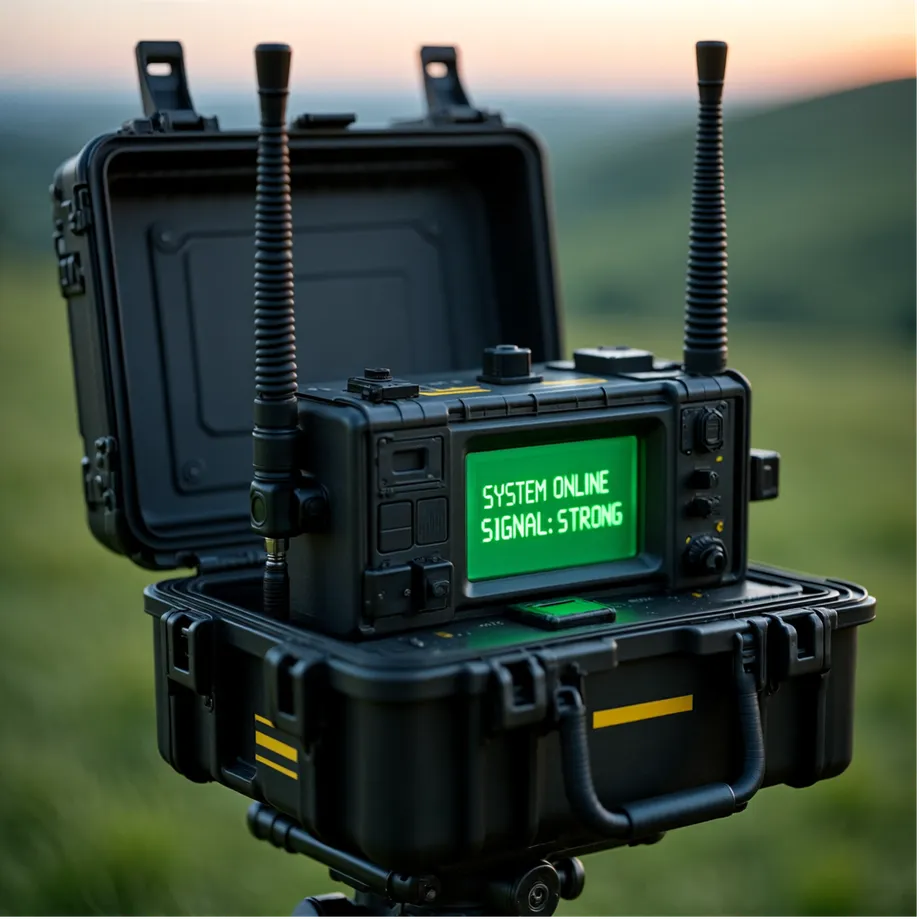
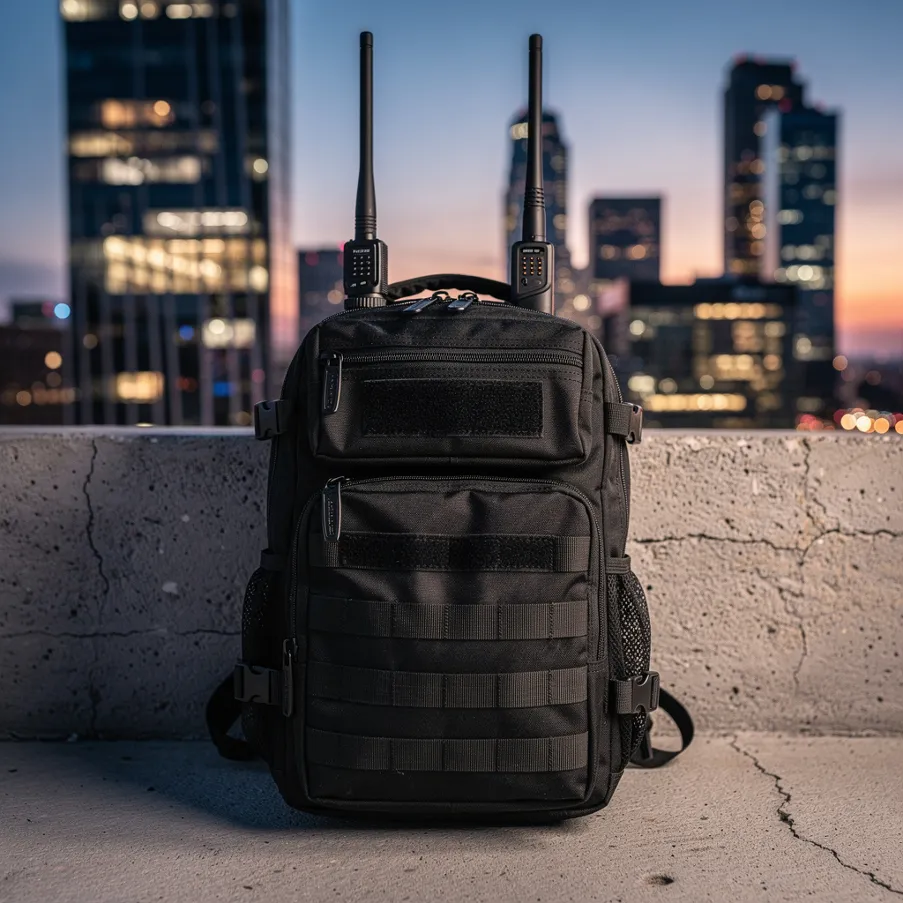
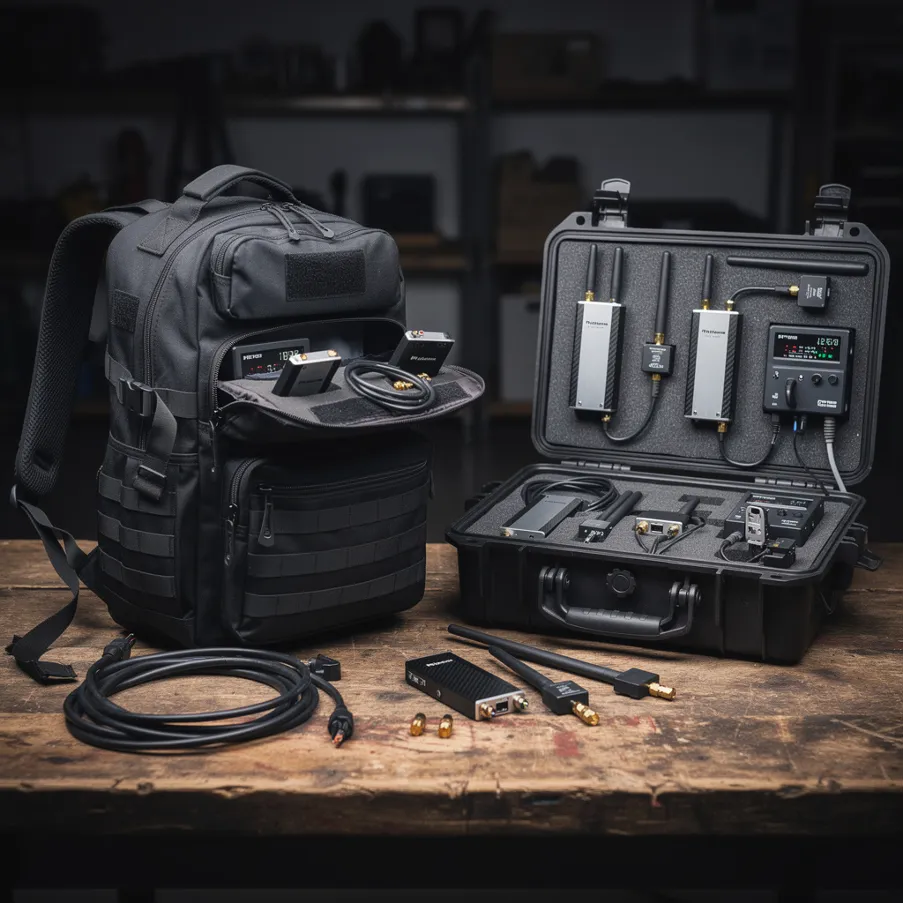
A high-performance direction finding system now fits inside a backpack. In the past, maritime vessels often carried radio direction finding equipment to locate beacons. Today, that same power is used to find lost hikers or illegal pirate radio stations in a city. The signal hit the DF antenna at a slight angle. This minor difference is enough for a processor to calculate a bearing with sub-degree accuracy. Calibration of any complex df system requires precise site selection. You can't have a massive metal fence or a power line nearby, or the signal will bounce and give you a «ghost» reading.
Microwave Frequencies and Signal Intelligence
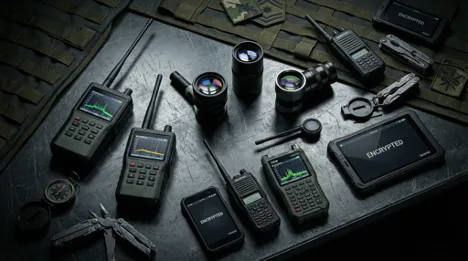
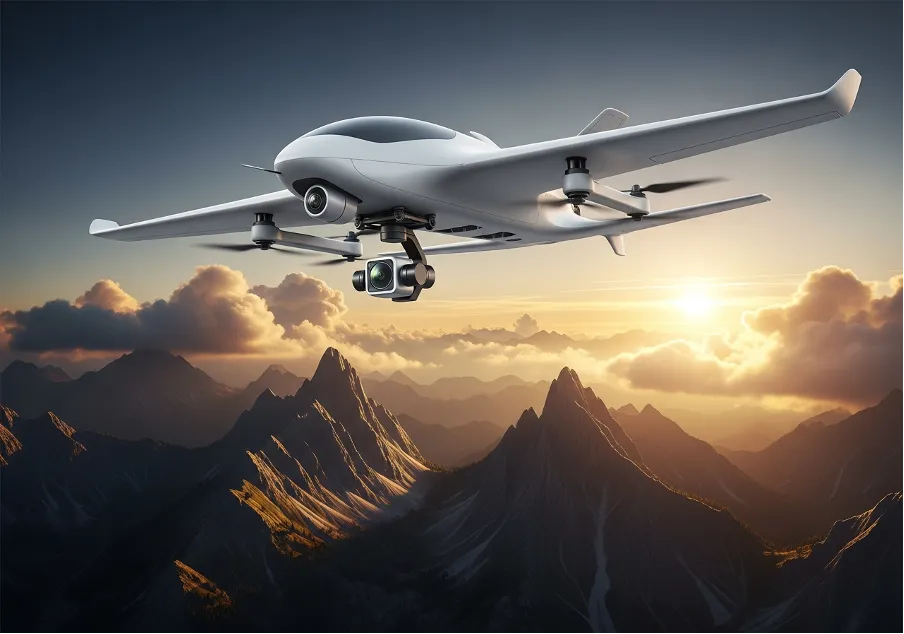
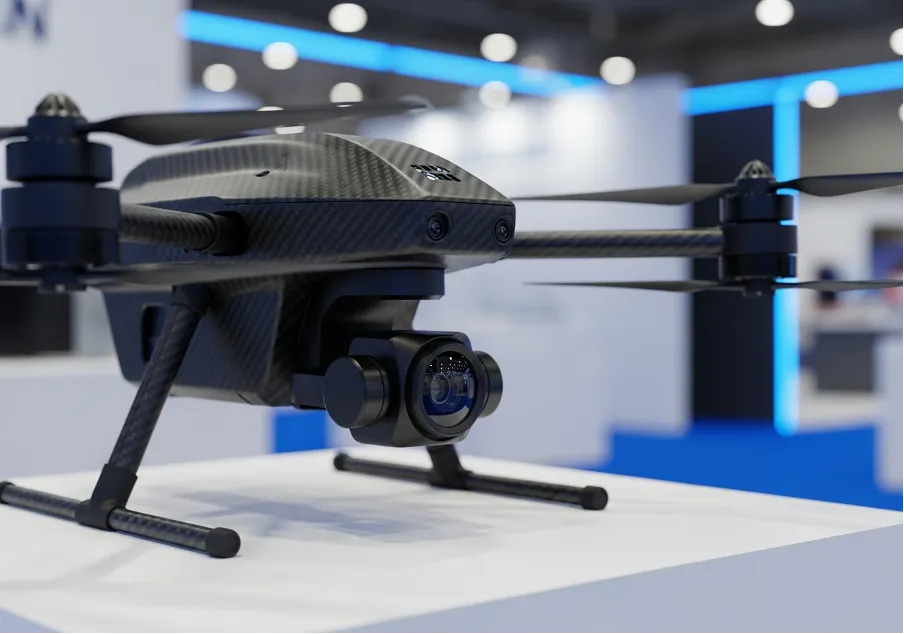
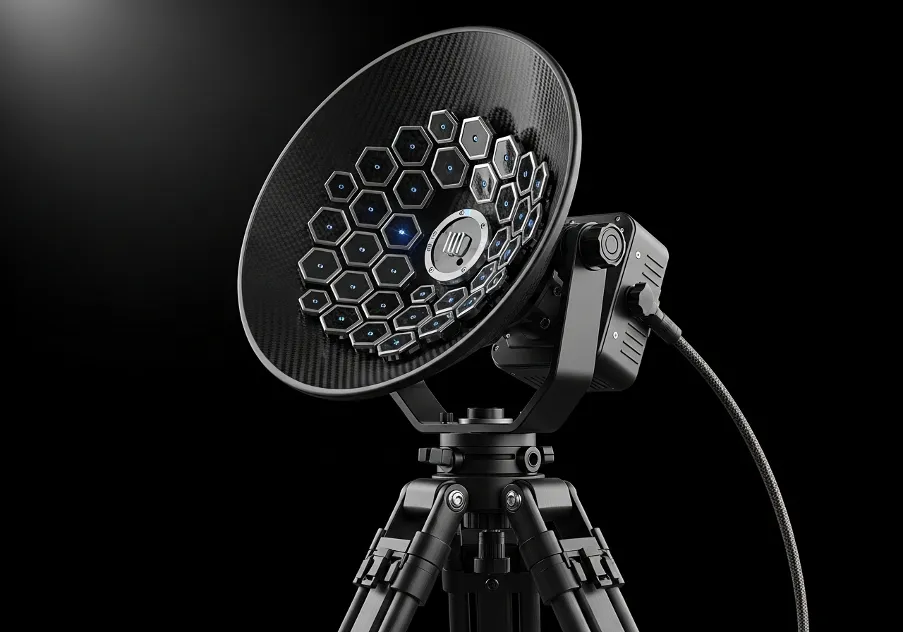
As transmitters moved into the gigahertz range, the hardware had to shrink. At these frequencies, a standard wire loop is useless. Instead, we use horns and spirals. These antennas are small enough to be mounted on drones or the belly of a reconnaissance plane. Modern units like an RF direction finder handle much higher frequencies. This is the world of SIGINT—Signals Intelligence.
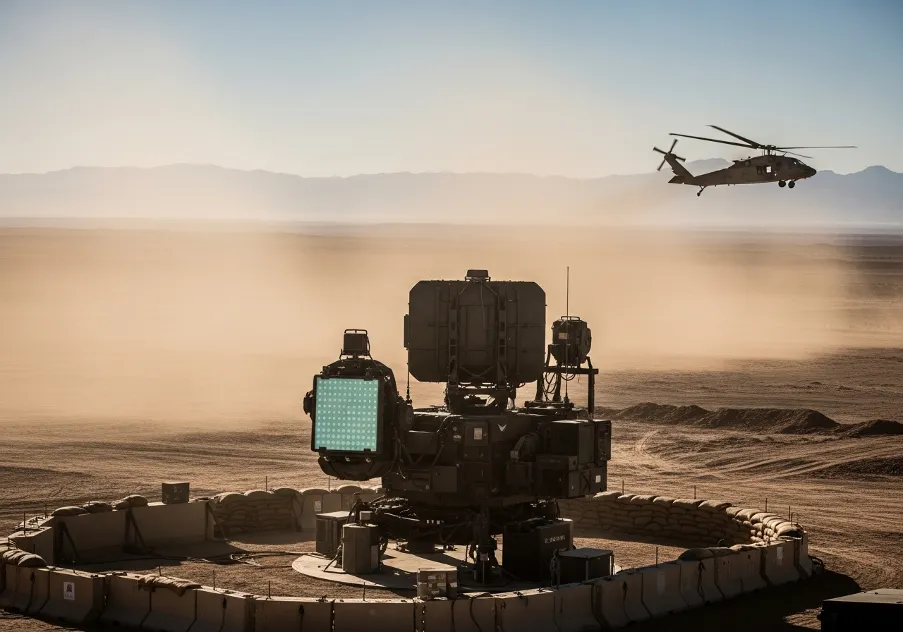
The military still uses radio direction finding equipment to map out enemy air defenses. Every time a radar dish turns on, it gives away its position. Troopers deployed various types of direction finding equipment across the desert front. Even a crude but functional radio direction finder helped early aviators navigate. Now, we use «amplitude comparison» where two or more horns are pointed in slightly different directions. The ratio of the signal strength between them tells you exactly where the source is. The operator tuned his direction finder to a nearby AM station. It sounds primitive, but it worked.
Contemporary Roles in Search and Rescue
Even with the dominance of satellite navigation, radio location remains the ultimate backup. GPS tells you where you are, but it doesn't necessarily help you find someone else who is lost and transmitting a distress signal. Coast guards still use a VHF direction finder for rescue operations. When an emergency beacon (EPIRB) goes off, it's the radio bearing that leads the helicopter to the life raft.
Small fishing boats used direction finders to home in on shore. While most have moved to chartplotters, the «radio compass» remains a staple of pilot training. Pilots trusted the reliable radio compass before GPS took over. It’s a physical link between the receiver and the transmitter. In the world of biology, researchers use a radio direction finder to track collared wolves or birds. They use a handheld Yagi and listen for the "beep" to get louder. Engineers redesigned the old radio direction finding antenna for better sensitivity.
Ships used basic forms of radio triangulation to fix their position. If you have two bearings from two different known stations, where those lines cross is where you are. It’s a simple, elegant piece of geometry that hasn’t failed in over a century. Bellini and Tosi built a direction finding system using stationary triangular loops. Today, we do the same with silicon and software, but the physics of the wave remains unchanged.


































































Trusted Worldwide
Operating in more than 50 countries, we provide cutting-edge defense solutions that ensure your safety to every corner of the globe.
Get Advice From Our Experts
Please complete the feedback form to gain exclusive access to our catalog showcasing models that are not available on our website
We’re here to assist you with any inquiries, support, or information you need. Whether you're interested in our defense products, looking to collaborate, or simply have a question, our team is ready to help.