Strategic Shifts in AI in Warfare
Modern Military Application and Tactical Combat
Modern combat environments generate terabytes of sensor telemetry every second, far exceeding human cognitive capacity. Traditional defense systems struggle to intercept threats when decision-making windows shrink to milliseconds under hypersonic flight times. This pressure drives the global integration of ai in warfare to process raw data at tactical speeds.
Military commanders no longer view military ai as a theoretical concept but as an operational necessity. Integrating artificial intelligence in the the military changes how command centers evaluate threats and distribute targeting data. Every modern military application relies on rapid calculation to secure strategic advantages before the opponent can react.
Algorithmic Threat Assessment and Data Processing
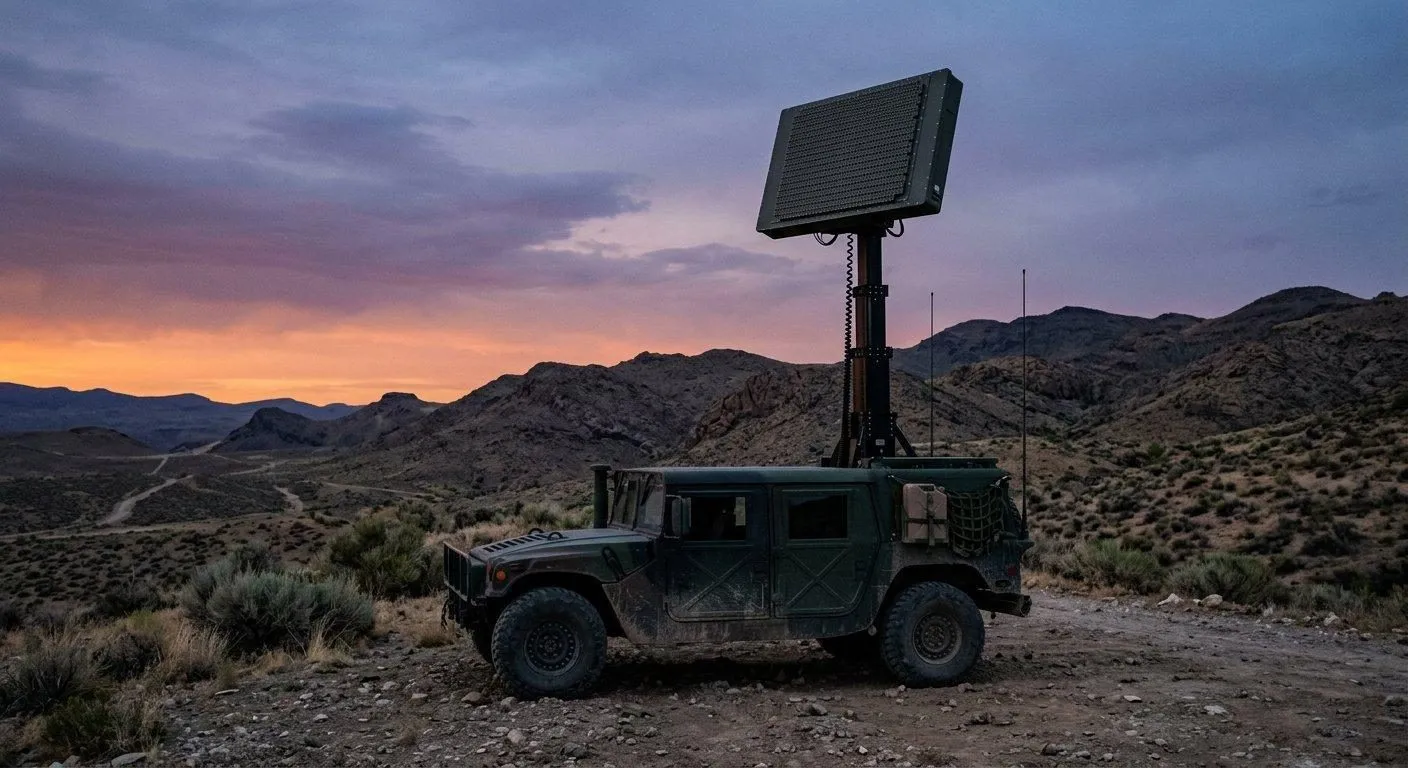
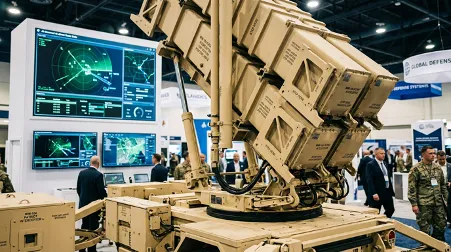
Modern radar installations and satellite constellations track thousands of atmospheric targets simultaneously. Human operators cannot monitor every feed without experiencing severe fatigue, which leads to missed indicators. The primary role of ai in military systems is to filter this noise, instantly highlighting anomalies and calculating trajectory models.
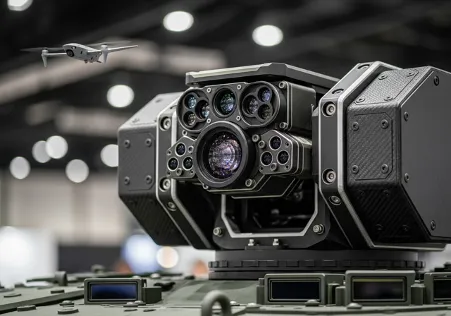
Deploying artificial intelligence in military operations reduces the sensor-to-shooter timeline from minutes to single-digit seconds. Specialized neural networks analyze optical, infrared, and radar signatures to classify incoming objects. By automating these baseline tasks, military artificial intelligence allows personnel to focus on high-level tactical command rather than manual telemetry sorting.
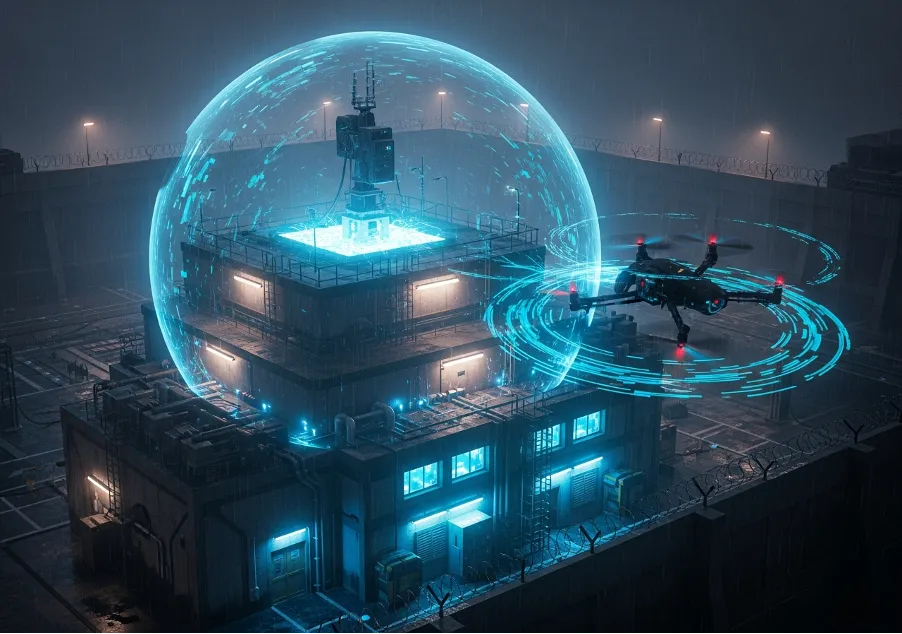
Advanced algorithmic processing acts as a shield against saturated electronic warfare environments. Early adopters of ai for defense prioritize robust machine learning models capable of operating even when satellite communications are degraded. This resilience ensures that tactical networks maintain a coherent operational picture during peer-to-peer conflicts, paving the way for autonomous scout units.
Tactical Autonomy and Unmanned Systems
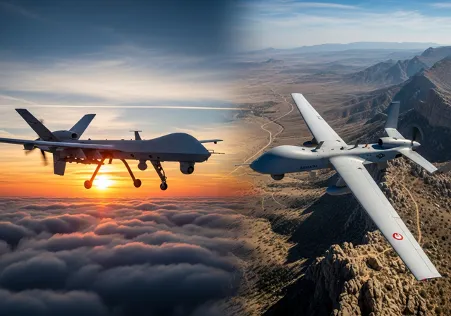
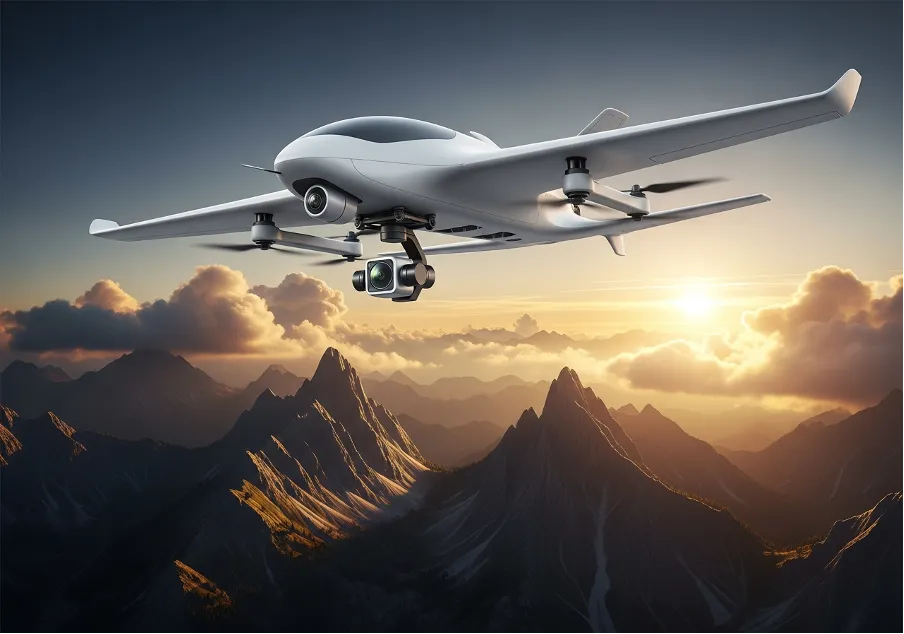
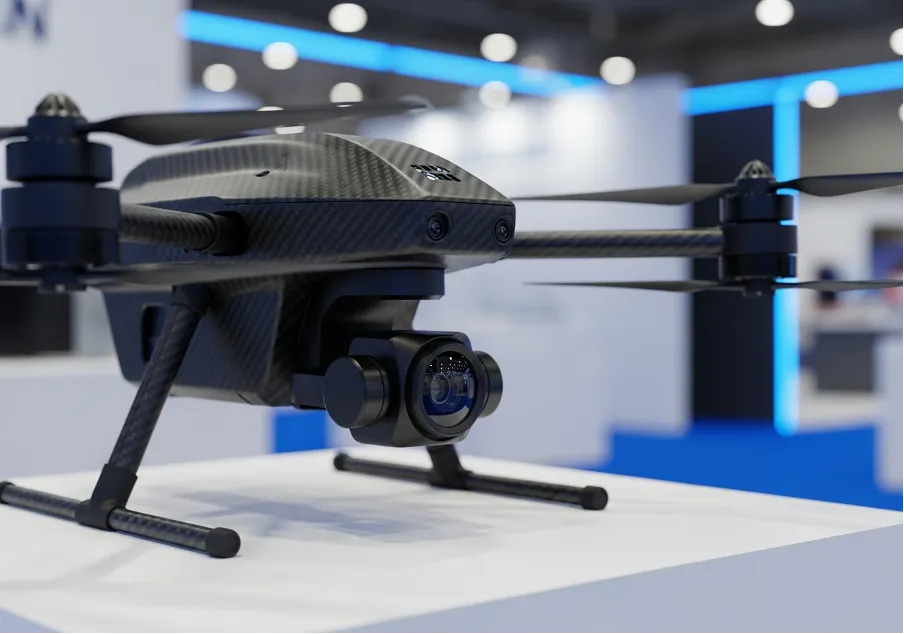
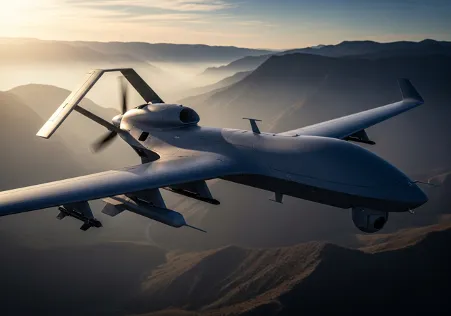
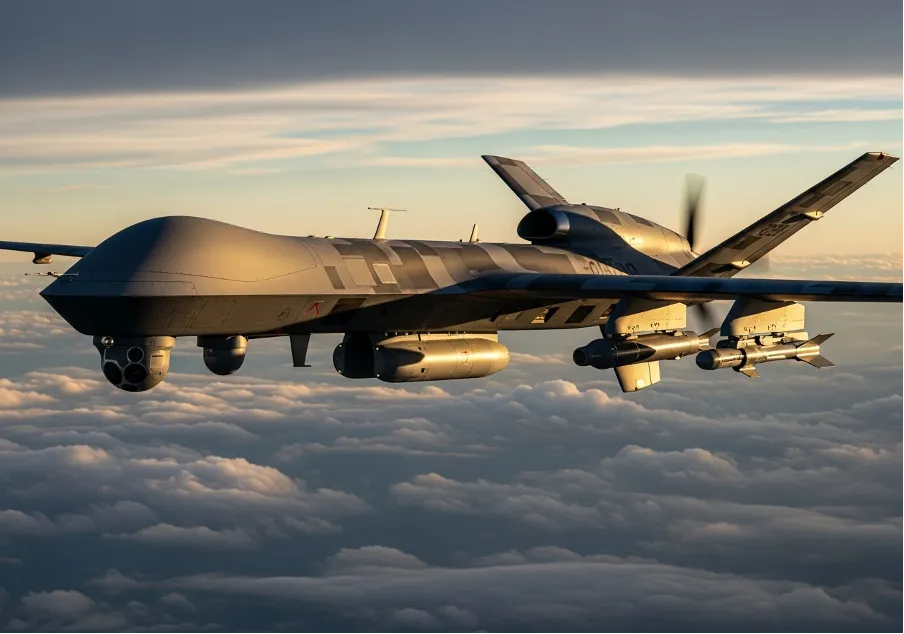
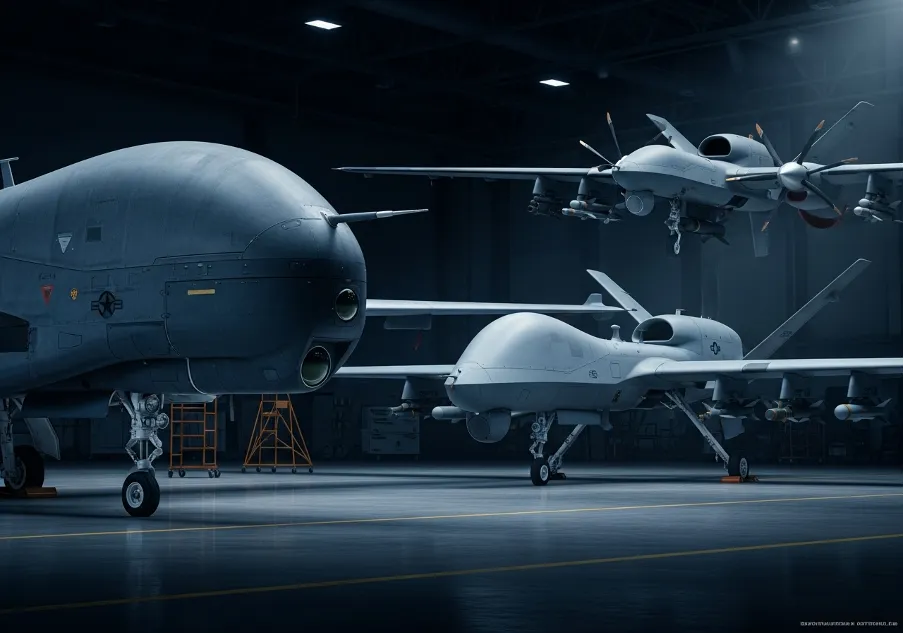
Unmanned aerial vehicles have evolved from remote-controlled scouts into semi-autonomous assets capable of cooperative swarming. The deployment of ai in military applications enables these drone platforms to navigate without GPS guidance, using terrain contour matching and visual odometry. Such systems can complete reconnaissance sweeps over contested territory even under heavy jamming.
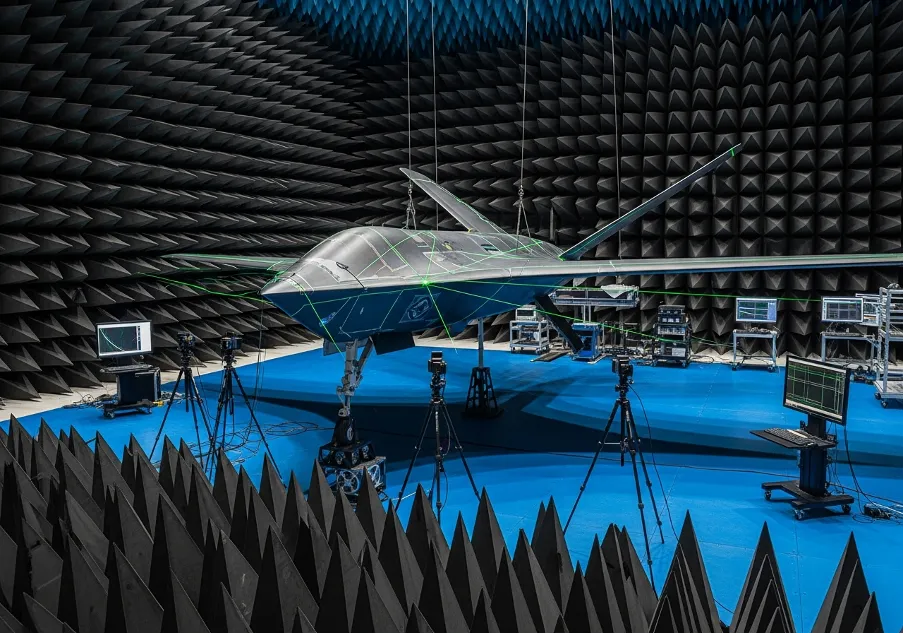
Current developments in us military ai programs highlight a transition toward collaborative combat aircraft designed to fly alongside crewed fighters. These autonomous platforms carry specialized sensor suites and payload configurations to actively distract enemy air defense systems. Notable artificial intelligence in military examples include the following elements:
- autonomous navigation systems that bypass electronic warfare barriers;
- sensor fusion nodes that merge visual and thermal data in real-time;
- payload delivery mechanisms that execute precise drops based on automated target recognition.
Implementing these systems requires a deep integration of machine learning military models trained on synthetic combat simulations. These models allow unmanned platforms to adapt their flight paths dynamically when they track unexpected surface-to-air threats. This level of battlefield agility forces command structures to reconsider how ground forces interact with automated support units.
Ground Operations and Autonomous Combat Vehicles
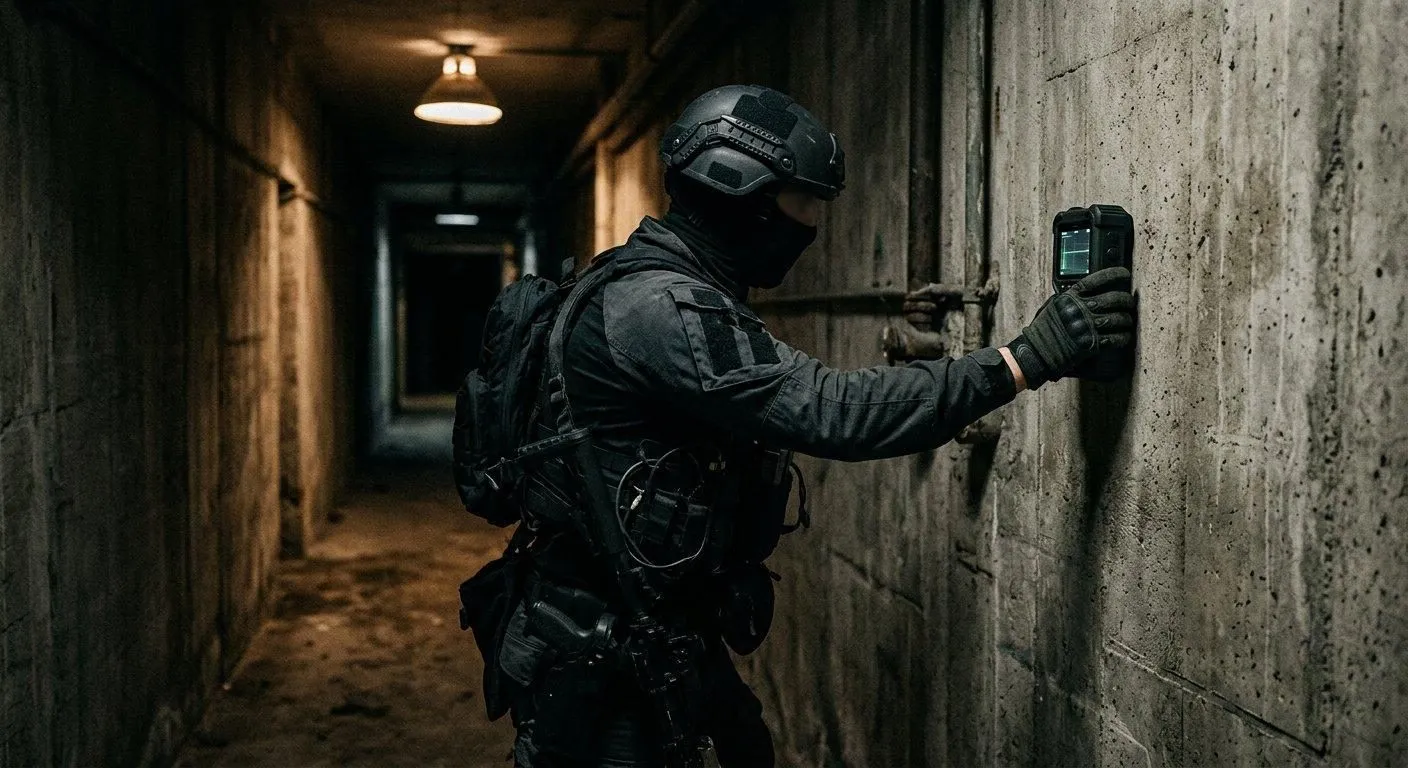
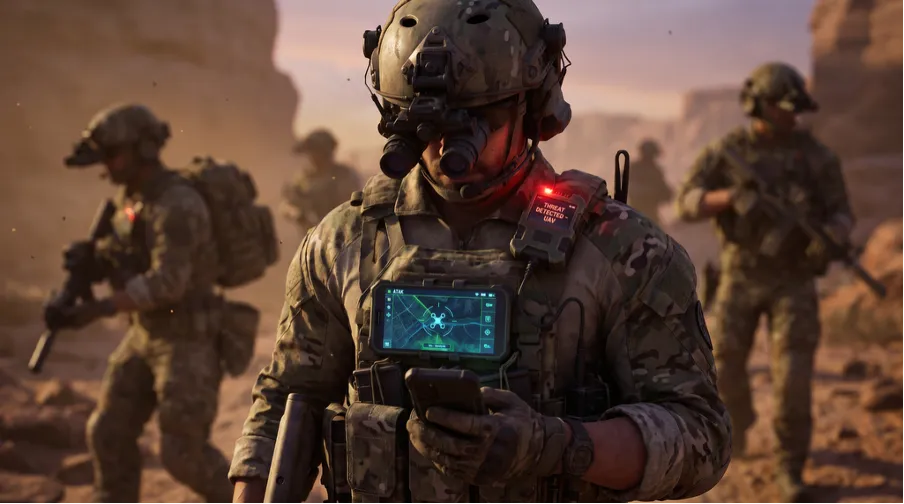
Ground-based operations demand high situational awareness in environments where line-of-sight is constantly obstructed. Tactical networks utilizing ai in army units can coordinate ground sensors to map urban layouts and identify sniper nests. By deploying unmanned ground vehicles, frontline squads reduce their exposure to direct fire during breach operations.
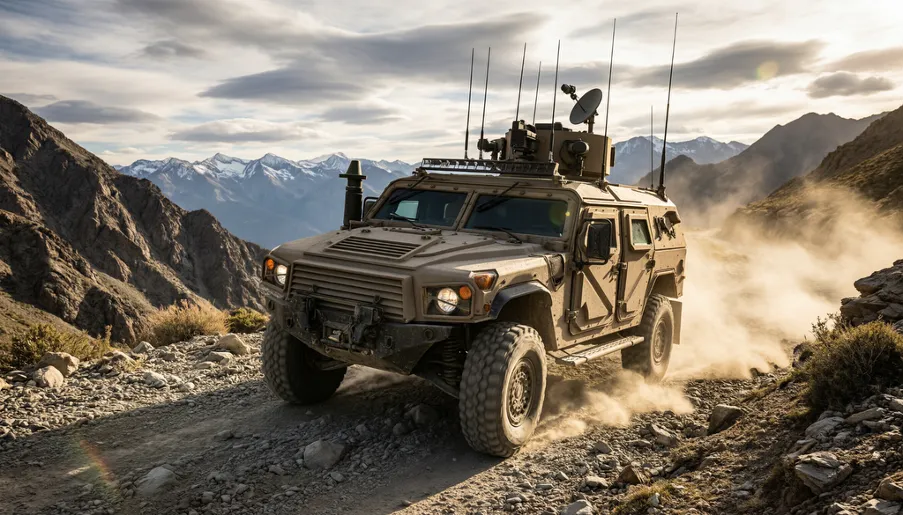
The modern ai army relies heavily on automated logistics vehicles that follow manned convoys without human drivers. These supply chains must operate continuously, regardless of weather or road conditions. Ground forces utilize advanced ai military vehicles to execute several high-risk functions:
- clearing minefields and improvised explosive devices;
- establishing localized communication relays in dead zones;
- transporting heavy supply payloads across rugged terrain.
Applying artificial intelligence in military applications extends beyond direct combat to predictive mechanical maintenance. By tracking vehicle engine vibrations and telemetry, repair crews can fix failures before components break down. This predictive maintenance ensures that motorized columns remain operational during long-range deployments, which directly affects the speed of defensive operations.
Command Decisions and Strategic Simulations
Strategic planning requires commanders to process variables ranging from weather patterns to troop morale. The integration of ai in the military provides decision-makers with real-time risk assessments during complex operations. Rather than replacing human judgment, these analytical engines serve as cognitive advisors that calculate the statistical probability of tactical success.
Using artificial intelligence military systems allows staff officers to run thousands of simulated battle scenarios in minutes. These wargaming platforms identify weak points in supply lines and predict enemy counter-attacks with high accuracy. Understanding how artificial intelligence in warfare alters command structures helps officers design more resilient operational frameworks.
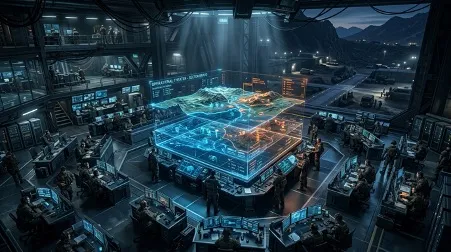
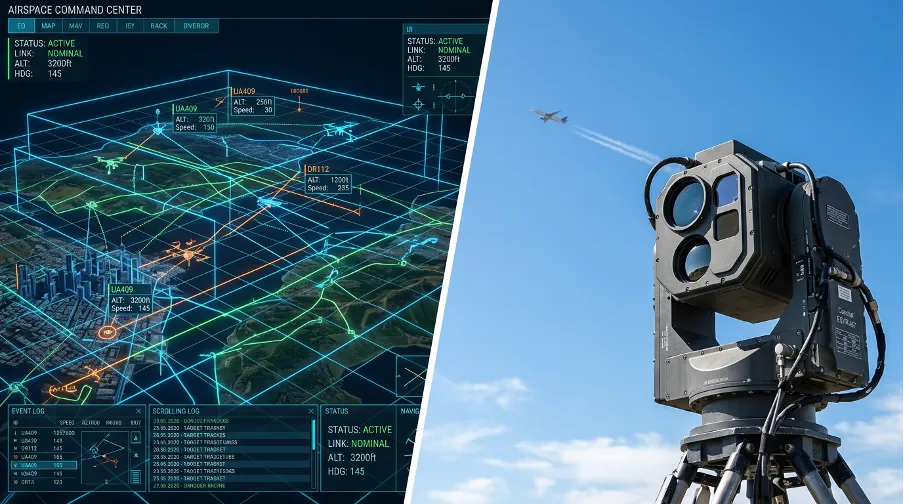
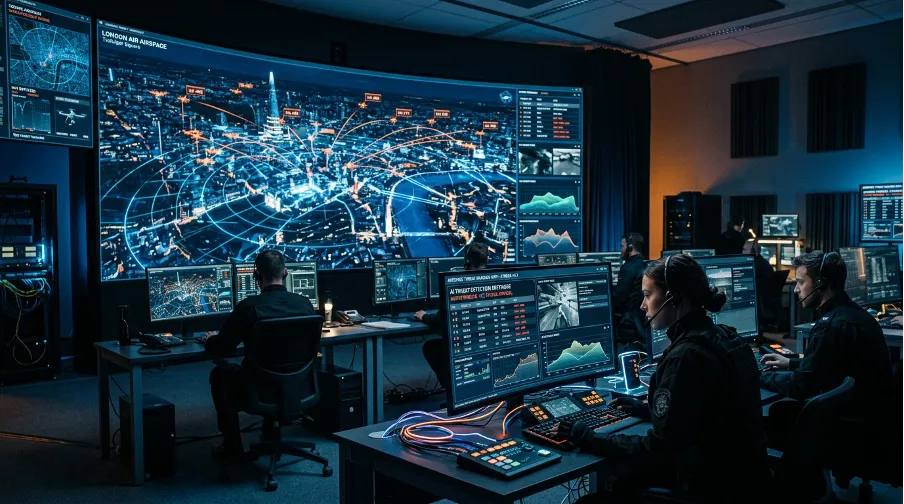
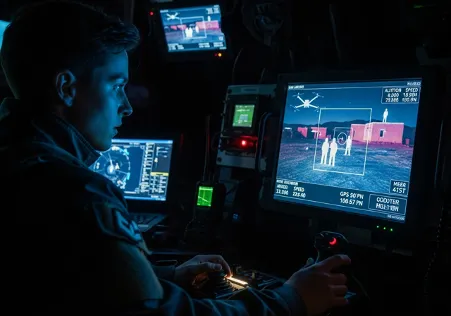
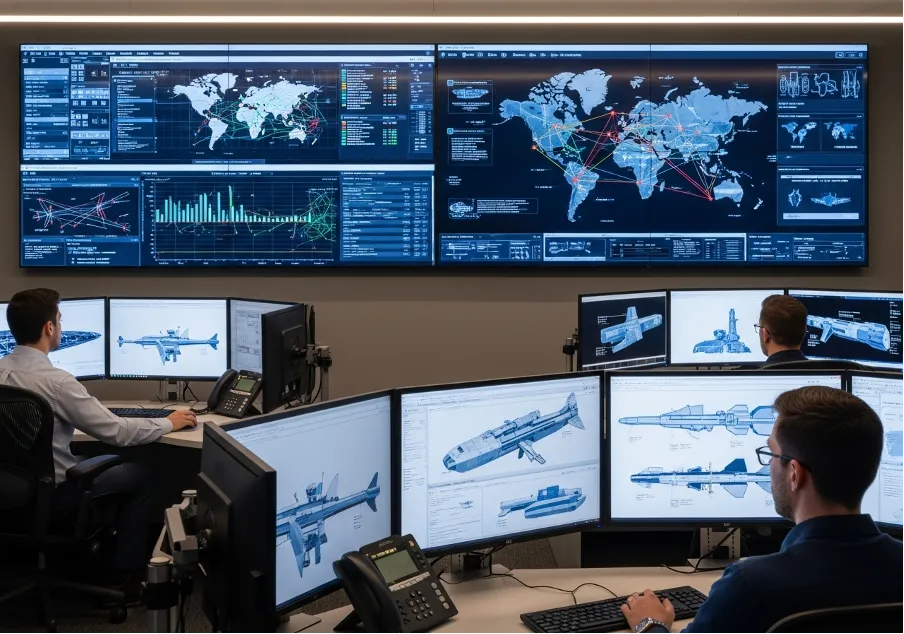
A major aspect of the military use of ai involves managing the cognitive load on combat controllers. Modern command centers fuse intelligence from radar, satellites, and signals interception into a single interface. Synthesizing this massive volume of data into clear, actionable recommendations ensures that defensive forces can neutralize threats before they escalate into global crises.
Global Deployment and Future Constraints
The rapid adoption of algorithmic technology across global militaries creates new challenges for international security. Command networks must balance the speed of automated decisions against the necessity of human supervision. Ensuring that lethal actions require direct human authorization remains a core doctrine for responsible defense organizations.
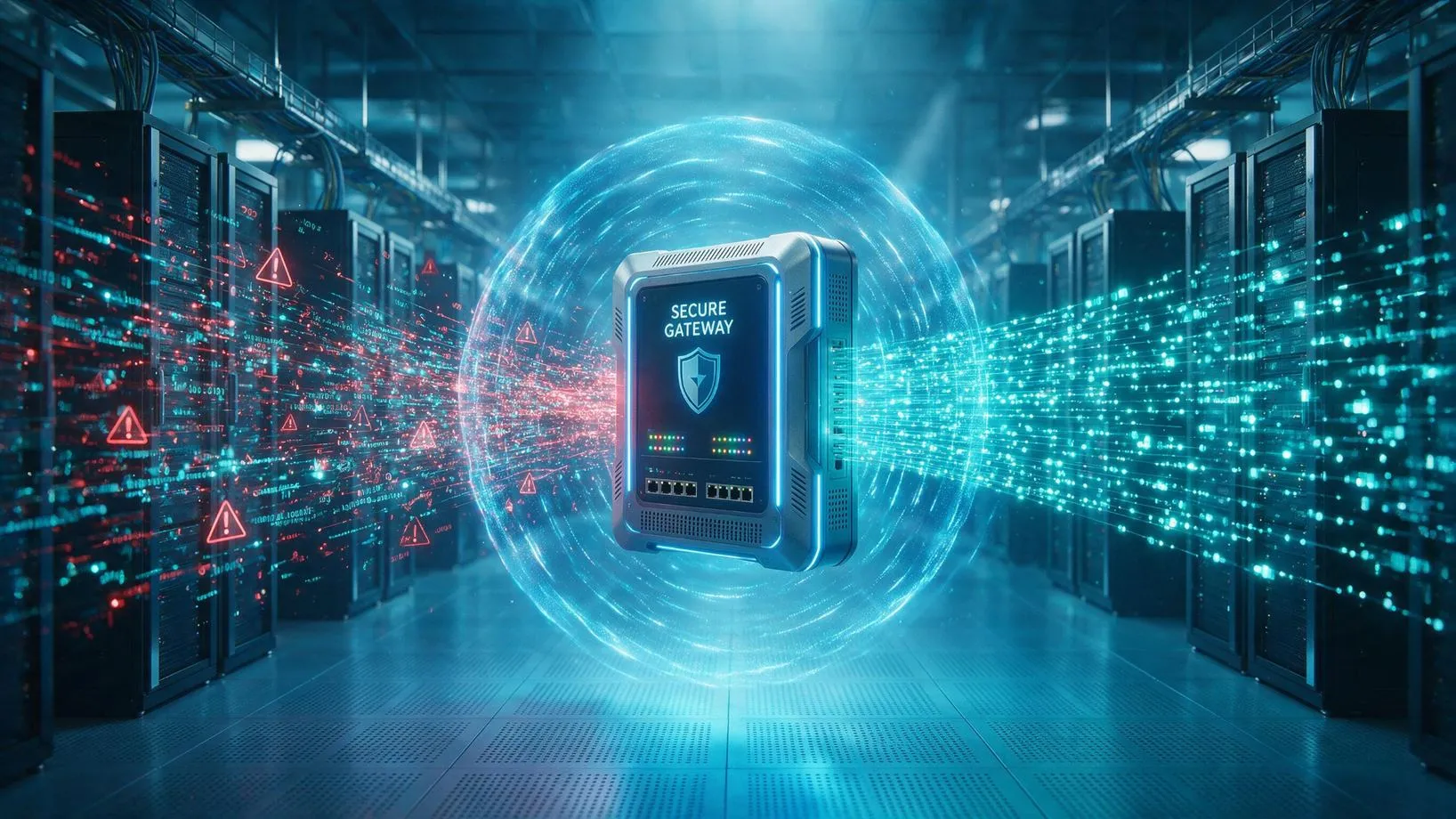
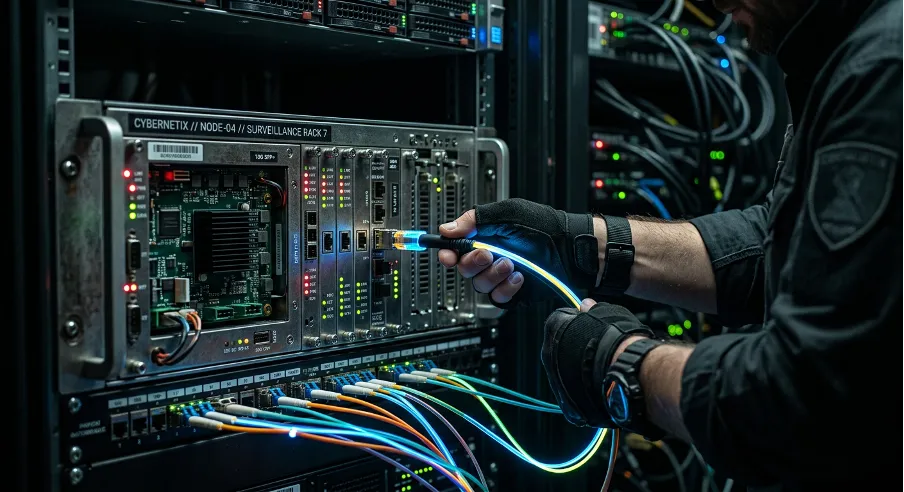
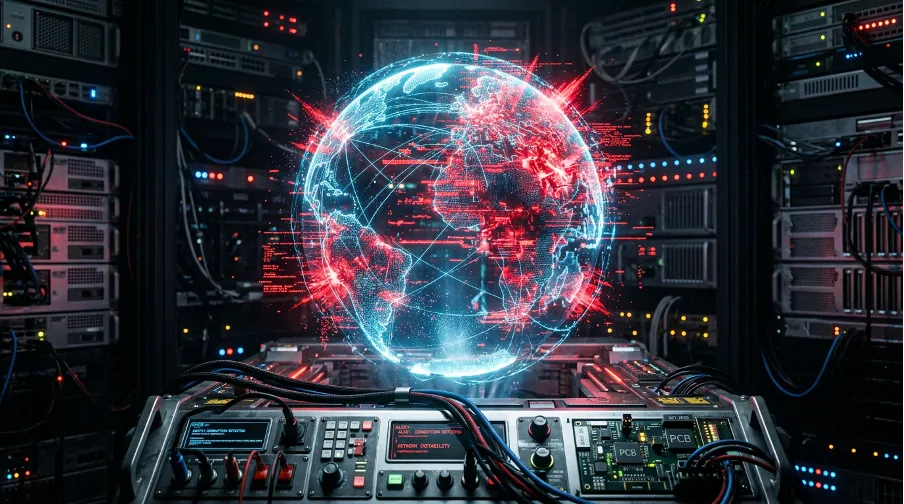
Tactical software systems require continuous updates to defend against adversarial machine learning attacks. Opponents can deploy specialized data poisoning techniques to mislead computer vision models and sensor networks. Maintaining robust cybersecurity protocols is just as critical as developing advanced tactical algorithms.
As sovereign nations continue to invest in automated combat systems, international regulatory frameworks must adapt to these technological shifts. Clear boundaries regarding autonomous target engagement are essential to prevent accidental escalation. Resolving these regulatory and security challenges will define the next generation of defense infrastructure.














































Trusted Worldwide
Operating in more than 50 countries, we provide cutting-edge defense solutions that ensure your safety to every corner of the globe.
Get Advice From Our Experts
Please complete the feedback form to gain exclusive access to our catalog showcasing models that are not available on our website
We’re here to assist you with any inquiries, support, or information you need. Whether you're interested in our defense products, looking to collaborate, or simply have a question, our team is ready to help.