Counter-Tailing Technology – How AI Spots Covert Vehicle Surveillance, Explained on PRO-AI BOX
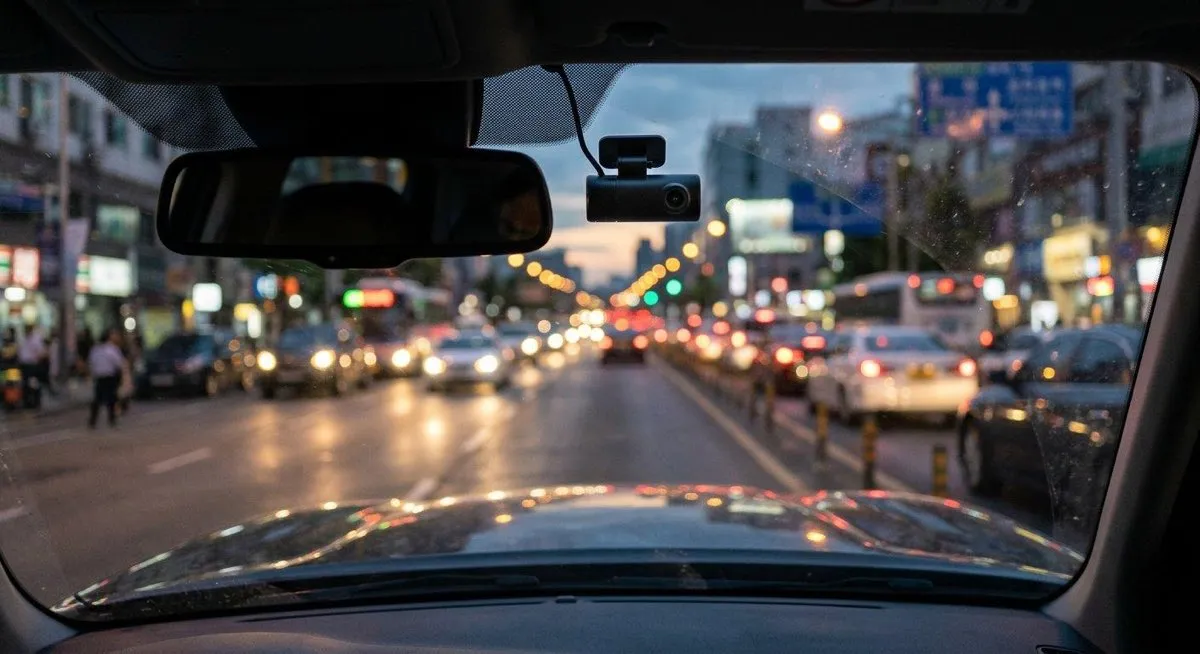
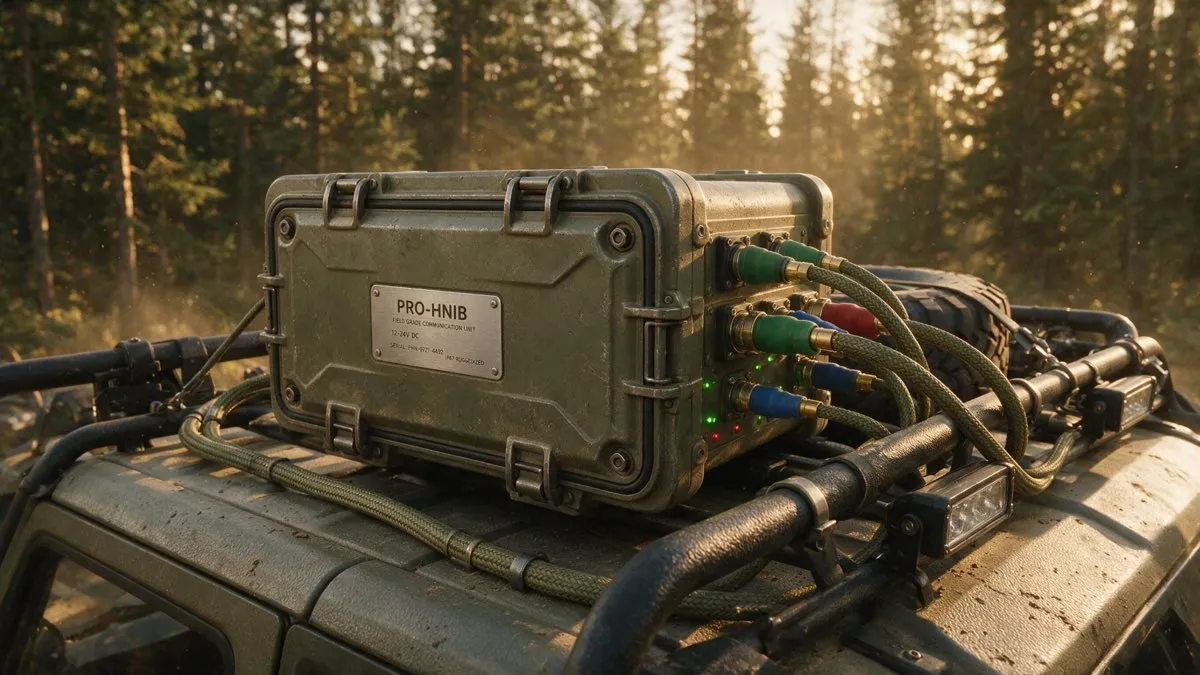
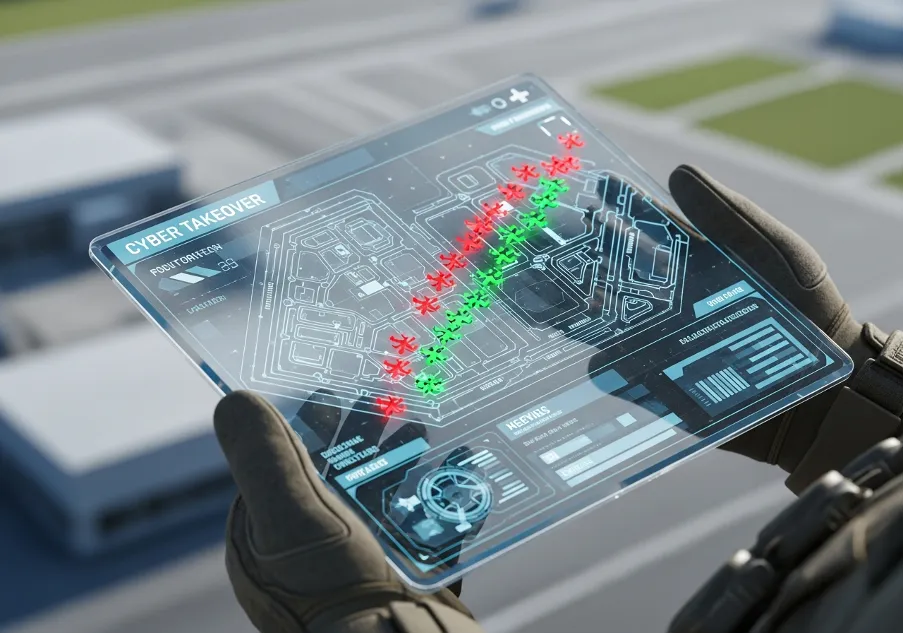
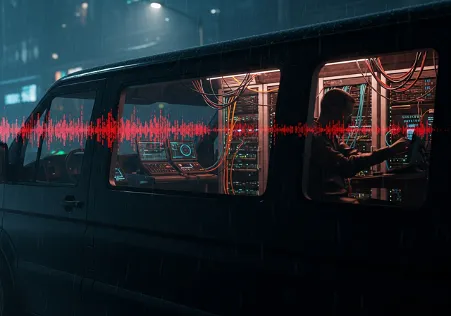
Professional surveillance teams train for months to follow a vehicle without being noticed - rotating cars, keeping distance, hovering just at the edge of attention. A protection driver's mirror checks, taught on the classic surveillance-detection curriculum, regularly fail against such crews. Counter-surveillance technology tries to close that gap with machines: cameras watch the traffic around a protected vehicle, and software looks not for a particular car but for a particular behavior. PRO-AI BOX, in ProDefence's counter-surveillance line, is built on precisely that idea: an AI system that spots covert tailing in real time and alerts before the tail becomes an incident.
This overview explains how such systems work - what they recognize, which patterns betray a follower, how alerts escalate across a convoy, and where the engineering limits and the legal questions begin.
Why does a human escort miss a professional tail?
The standard defense against being followed is the surveillance detection route - a sequence of turns, stops and channel choices designed to make a follower reveal himself, executed while the escort scans mirrors and memorizes vehicles. Human memory, however, is the weak instrument: a trained surveillance crew never shows one car for long, rotating between boxes, running parallel coverage and leapfrogging ahead, so that no single face or bumper repeats often enough to stick. Fatigue finishes what rotation began - after an hour of dense traffic, every vehicle looks temporarily guilty and therefore none does.
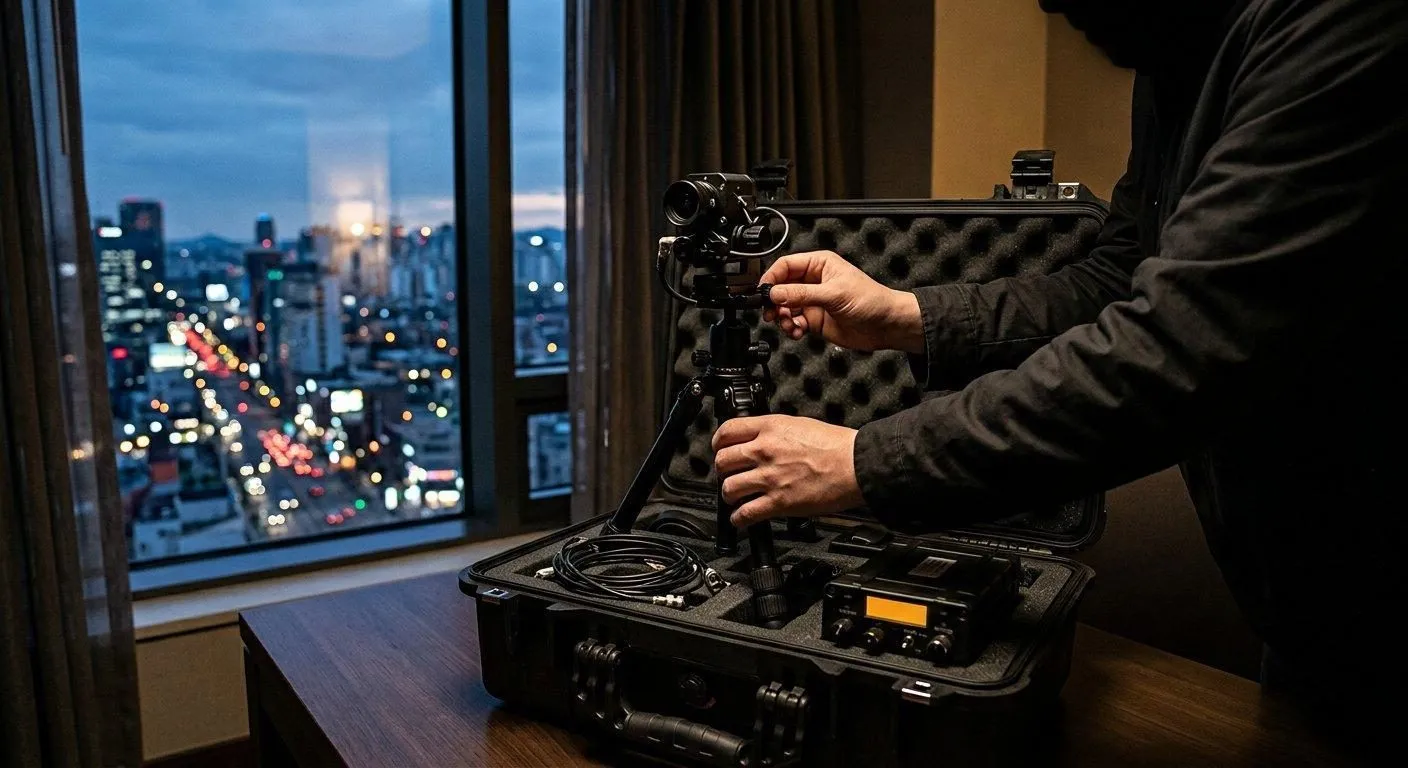
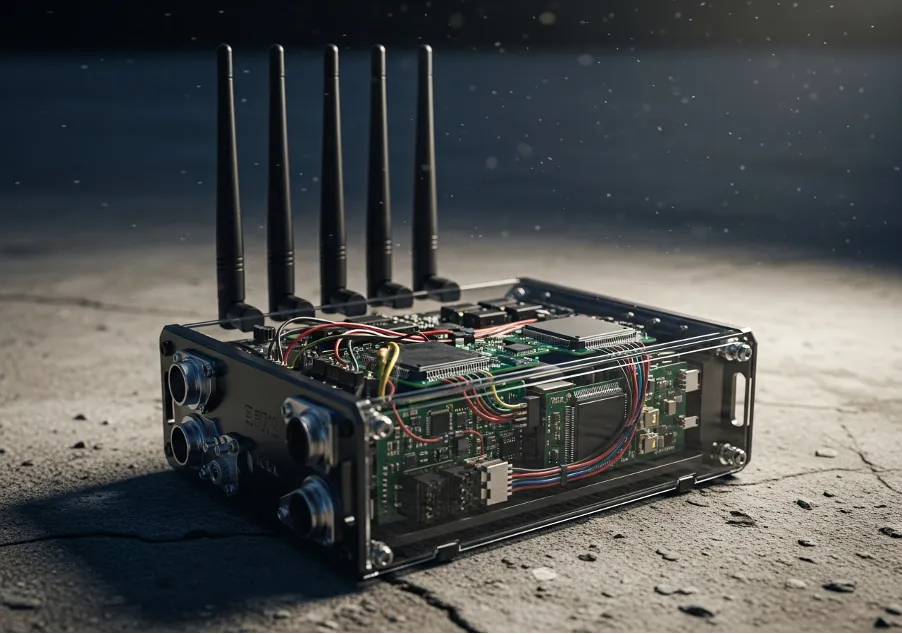
The machine's advantage in this contest is not eyesight but bookkeeping. A camera-computer pair does not get tired, does not round off "similar grey sedans" into one impression, and can compare this minute with forty minutes ago without effort. That is the niche ProDefence describes for PRO-AI BOX: continuous monitoring of surrounding traffic, vehicles identified and tracked in real time, and suspicious patterns raised to the humans who make decisions.
What the system sees: recognition and a structured log
At the foundation of the system is conventional machine vision done carefully. High-resolution cameras cover the traffic around the protected vehicle; recognition extracts the attributes that make a vehicle re-identifiable later - color, model and, where visible and lawful, the license plate. The crucial product of this stage, as the vendor describes it, is a structured, trackable dataset: not a video archive to scroll through, but rows of fact - which vehicle, seen where, at what time, in what relative position.
That structuring is what turns surveillance detection from a viewing task into a database task. Video answers "what happened around us"; a dataset answers "who keeps appearing around us." Everything the behavioral engine does later rests on the quality of this layer, which is why recognition accuracy - across night, rain, glare and occluding trucks - is the first number a serious evaluation requests.

Which behavior patterns give a tail away?
The vendor names the four classic signatures, and their logic mirrors what a human surveillance-detection specialist is taught - sustained over longer time than any human can sustain it:
- Repeated appearance - the same vehicle surfacing at separated points of the route, the comeback a rotation tries to disguise.
- Route mirroring - turns, stops and detours reproduced after the protected vehicle, including deliberately senseless ones.
- Synchronized maneuvers - lane changes, pull-overs and U-turns executed in step with the client rather than the traffic.
- Persistent positioning - a constant gap or slot relative to the protected vehicle maintained through lights, congestion and speed changes.
None of these is proof alone; taxis mirror routes and trucks hold positions innocently every day. The engine's real work is scoring combinations over time - a single mirrorer on one turn stays noise, while a vehicle that reappears, mirrors and holds station across half an hour crosses a threshold. ProDefence states the system identifies suspicious behavior automatically and generates real-time alerts, which implies exactly this kind of confidence-raising rather than one-flag-one-alarm logic. How thresholds are tuned, and who can tune them, is a doctrine question that belongs in any procurement discussion.
Alerts, escalation and multi-vehicle networks
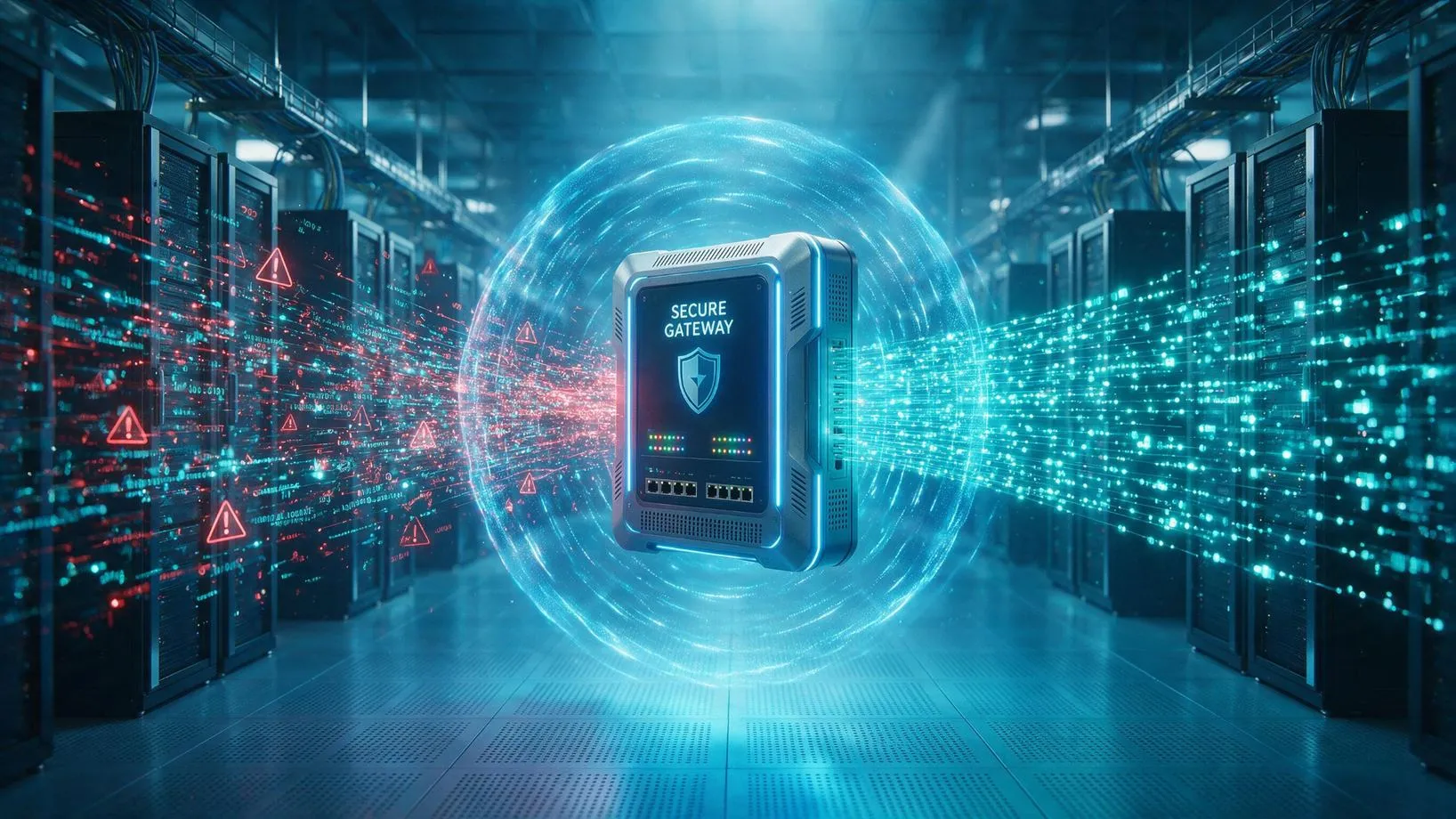
When the score crosses a line, the system warns the people who act: the driver first, and - per the vendor's description - security personnel and the control center in the same moment, with relevant data attached rather than a bare alarm. The response menu is doctrine, not electronics: change route, head for a safe location, hand observation to a second team, or hand the whole picture to law enforcement. The machine's role is to buy the seconds and the evidence in which that decision happens coolly.
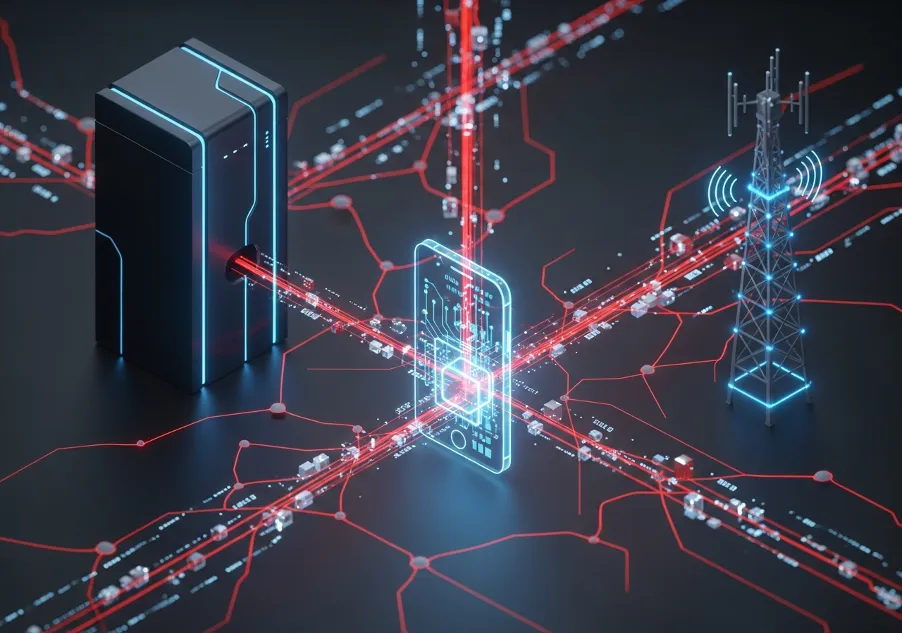
The more interesting mode appears when several protected vehicles run the same system. ProDefence describes a shared data environment between devices, cross-detection of vehicles between nodes and automatic escalation of threat level on multi-source confirmation. In plain terms: if the same car hovers near two vehicles of a convoy on different streets, the network knows what no single car could see. This is the feature that genuinely out-reaches human escorts - a surveillance crew defeated by one observant driver has only to change cars; against a fleet that compares notes, rotation becomes precisely the thing that exposes it.
Use cases, limits and legal notes
The scenarios ProDefence names - executive protection, government and law-enforcement mobility, transport of sensitive personnel and assets, high-risk logistics and convoy operations - share one profile: a predictable route through public space where the threat is observation itself. To those one can add the cautious self-assessment market, but the engineering limits apply everywhere:
- Recognition degrades at night, in rain and glare, and under occlusion by large vehicles - ask for measured accuracy per condition, not a single sunny-highway number.
- Dense homogeneous traffic - forty identical ride-hailing sedans - stretches any re-identification logic.
- False positives are a budget, not a bug: repeated alarms against innocent commuters train escorts to mute the system.
- Thresholds and templates need localization: what counts as mirroring differs between a capital's ring road and a mountain pass.
- License-plate capture is regulated asymmetrically across jurisdictions - in parts of Europe it sits under data-protection rules as strictly as any processing of personal data.
- Data retention and access need policy: a log of everywhere a convoy went is itself a sensitive asset.
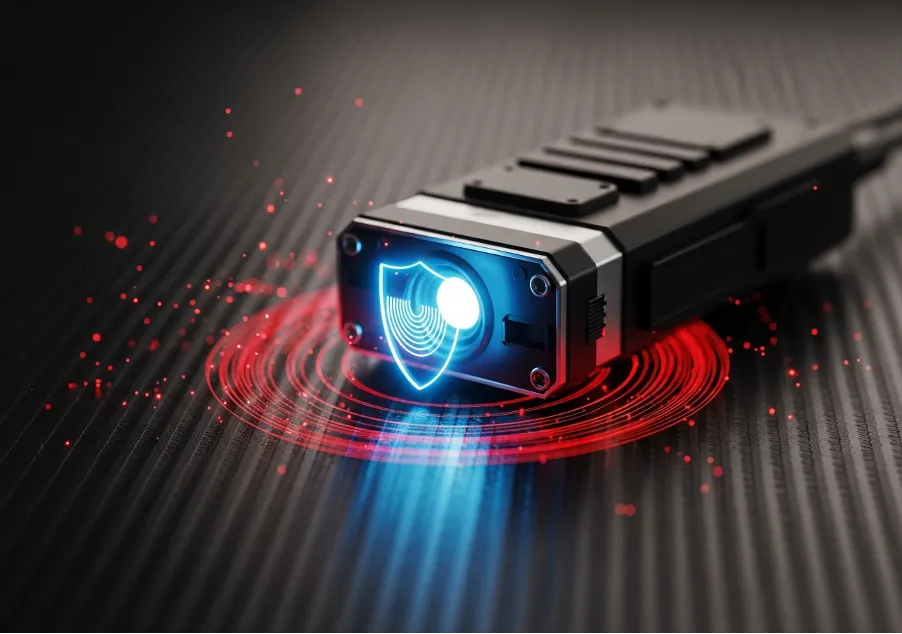
PRO-AI BOX, as publicly described, targets precisely the elements that decide success in this class: recognition quality feeding a structured log, a behavioral engine working over time, graded alerts and fleet-level cross-checking. The neutral summary of the whole segment is equally simple: the software does not replace a protection team, it restores the arithmetic that surveillance crews break with rotation - and the value of any such system is proven the same way its opponents are trained, by measured trials against a competent red team, on the routes it will actually drive.


























Trusted Worldwide
Operating in more than 50 countries, we provide cutting-edge defense solutions that ensure your safety to every corner of the globe.
Get Advice From Our Experts
Please complete the feedback form to gain exclusive access to our catalog showcasing models that are not available on our website
We’re here to assist you with any inquiries, support, or information you need. Whether you're interested in our defense products, looking to collaborate, or simply have a question, our team is ready to help.