Scaling Artificial Intelligence in Law Enforcement
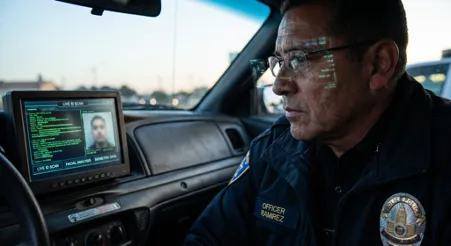
The Practical Impact of Facial Recognition technology
Police departments face severe resource constraints while processing terabytes of video footage, dispatch logs, and registry databases daily. Manual analysis of this volume of information delays critical investigations and limits preventive patrol efficiency.
Integrating artificial intelligence in law enforcement shifts the workflow from reactive response to algorithmic prevention. Modern police precincts deploy neural networks to identify behavioral anomalies in crime registries that escape human analysts.
Algorithmic patrol routing and resource distribution
Police dispatchers traditionally allocate patrol cars based on historic crime maps and intuition. This approach often leaves high-risk areas unattended during peak hours of criminal activity.
Automated dispatch systems analyze temporal patterns to optimize patrol routes. Algorithms process historical dispatch data, weather conditions, and local events to direct units to specific coordinates.
Officers receive automated recommendations on their dashboard screens, reducing response times by several minutes. This tactical positioning deters opportunistic crimes before they occur. Alongside physical patrolling, monitoring transit hubs requires advanced automated monitoring.
Biometric identification in public spaces
Identifying suspects in crowded transit hubs requires continuous monitoring of dozens of closed-circuit feeds. Human operators suffer from fatigue after 20 minutes of continuous observation, overlooking critical matches.
Using facial recognition technology allows databases to scan video streams in real time. The software compares facial geometry against local databases to flag wanted individuals instantly.
The system operates through three interconnected steps:
- camera feeds capture facial vectors in public transit terminals;
- algorithms match geometric landmarks against active warrant databases;
- dispatch units receive instant alerts with match-probability scores.
This automated verification reduces the search time from days to seconds. Patrol officers receive precise location details and suspect descriptions directly on their mobile terminals. Accurate suspect identification in transit then feeds into broader analytical systems that evaluate long-term trends.
Predictive policing and risk assessment models
Risk assessment models forecast the probability of reoffending or the likelihood of crime spikes in specific sectors. Courts and correctional facilities use these calculations to determine bail amounts and parole conditions.
Software evaluates diverse data points to generate risk profiles:
- previous arrest records and offender demographics;
- geographic density of prior offenses in the area;
- temporal intervals between subsequent violations.
These calculations help departments prioritize high-risk cases without manual file reviews. However, the accuracy of predictions depends on the historical objectivity of the input data.
Bias in legacy databases can lead to disproportionate surveillance in specific neighborhoods. Ensuring data neutrality remains a key challenge for developers of these predictive systems. While geographic forecasting aids field officers, detectives require similar processing capabilities to handle physical and digital evidence.
Evidence analysis and database cross-referencing
Digital forensics labs process massive volumes of storage drives, smartphones, and call logs during criminal investigations. Extracting actionable leads from thousands of encrypted chats can stall prosecutions for months.
Specialized software decodes file systems and indexes textual data to locate relevant keywords. Investigators use natural language processing to identify hidden connections between separate criminal networks.
These tools cross-reference phone numbers, financial transactions, and IP addresses across multiple active cases. Automated correlation helps detectives detect coordinated patterns and link isolated incidents into a single investigation.
Implementing these platforms costs municipal precincts from 50000 USD to 150000 USD in annual licensing fees. Deploying these analytical platforms on a broad scale requires strict adherence to constitutional frameworks.
Ethical integration and regulatory compliance
Deploying complex software in municipal policing requires strict legal boundaries to protect civil liberties. Unregulated surveillance threatens privacy rights and damages community trust.
Agencies must establish clear protocols for data retention and access control to prevent unauthorized database searches. External audits of algorithmic decisions help maintain transparency in judicial proceedings.
Continuous training of personnel ensures that officers treat algorithmic suggestions as advisory tools rather than definitive proof of guilt. Final decisions always rest with human operators who evaluate the full situational context.






































































































Trusted Worldwide
Operating in more than 50 countries, we provide cutting-edge defense solutions that ensure your safety to every corner of the globe.
Get Advice From Our Experts
Please complete the feedback form to gain exclusive access to our catalog showcasing models that are not available on our website
We’re here to assist you with any inquiries, support, or information you need. Whether you're interested in our defense products, looking to collaborate, or simply have a question, our team is ready to help.