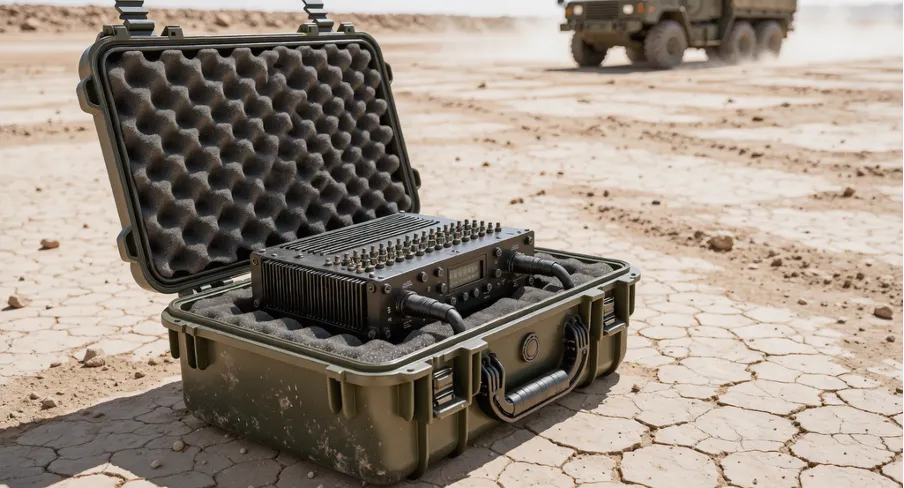
Tactical jammer Integration
Mobile RF Jamming Performance
Radio-Controlled Improvised Explosive Devices (RCIEDs) represent a primary threat to military personnel and security forces in modern conflict zones. Preventing the remote detonation of these roadside hazards requires active, portable RF countermeasure hardware.
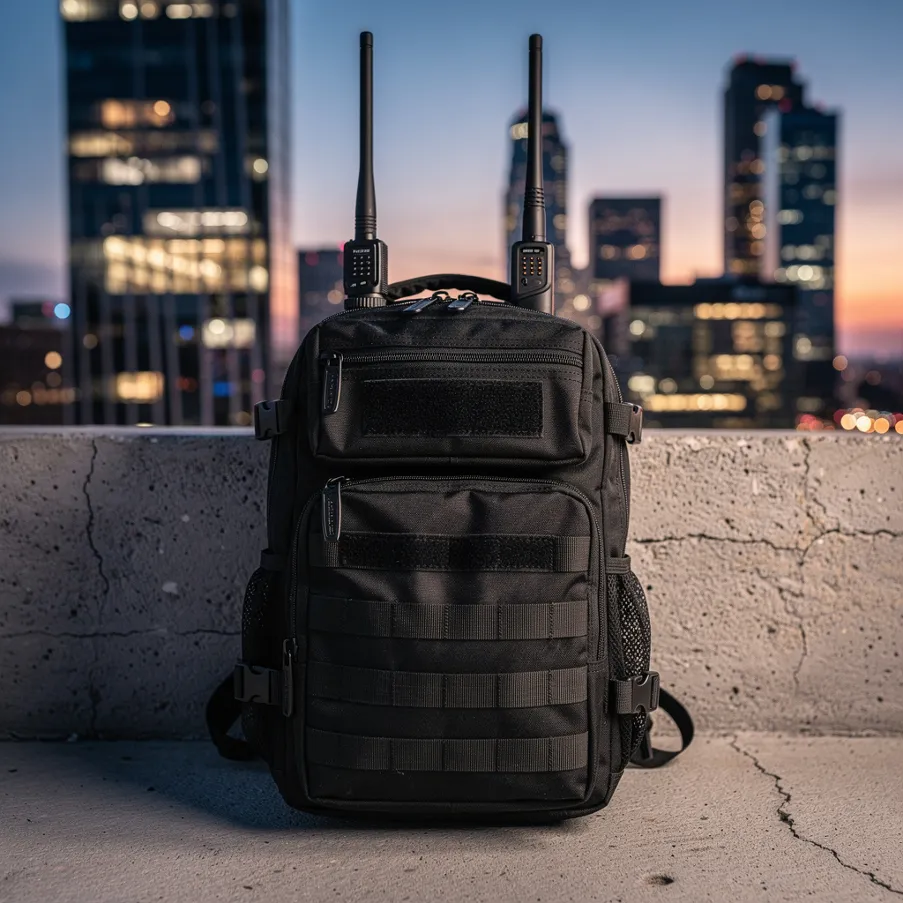
Integrating a modular tactical jammer into defensive operations provides immediate RF suppression across critical frequencies to neutralize incoming trigger signals. These mobile units establish a protective umbrella for personnel during high-risk patrols.
What threats do tactical jammers neutralize?
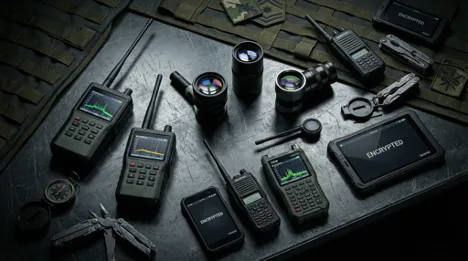
A tactical jammer functions as a primary shield against Radio-Controlled Improvised Explosive Devices. In active conflict zones, infantry patrols face constant threats from concealed roadside hazards that rely on wireless detonation commands. These threats utilize diverse signal paths, from civilian walkie-talkies to cellular networks.
To counter these triggers, the system implements continuous RF suppression across multiple frequency bands:
- neutralizing low-frequency radio triggers;
- blocking high-frequency cellular bands;
- disrupting commercial remote control signals.
By creating a localized signal block, the equipment denies the receiver the ability to process the activation code. This protection is vital during route clearance, checkpoint security, and explosive ordnance disposal missions.
Technical architecture of portable jamming equipment
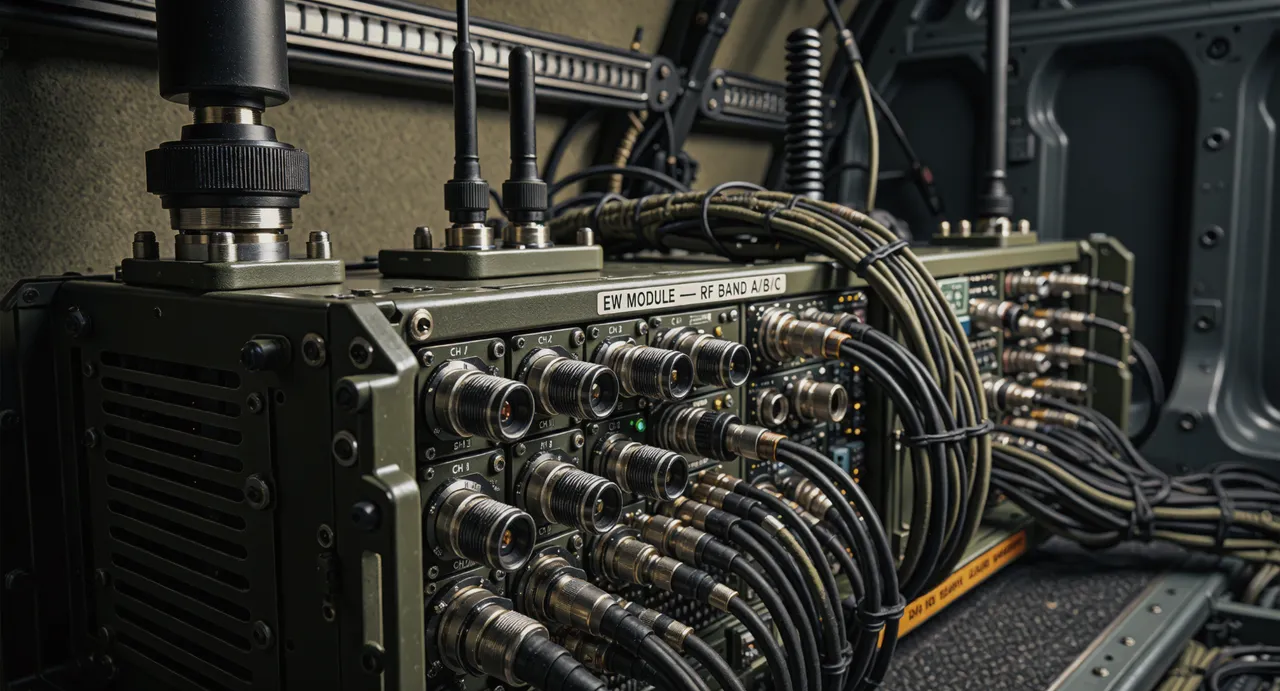
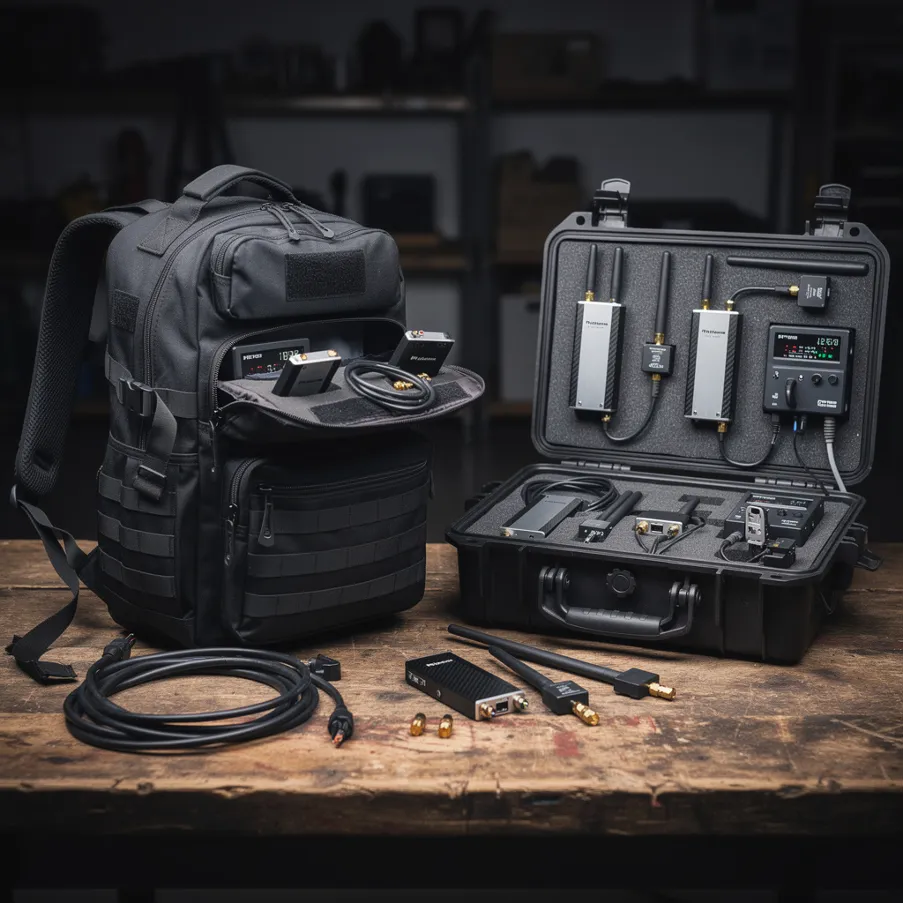
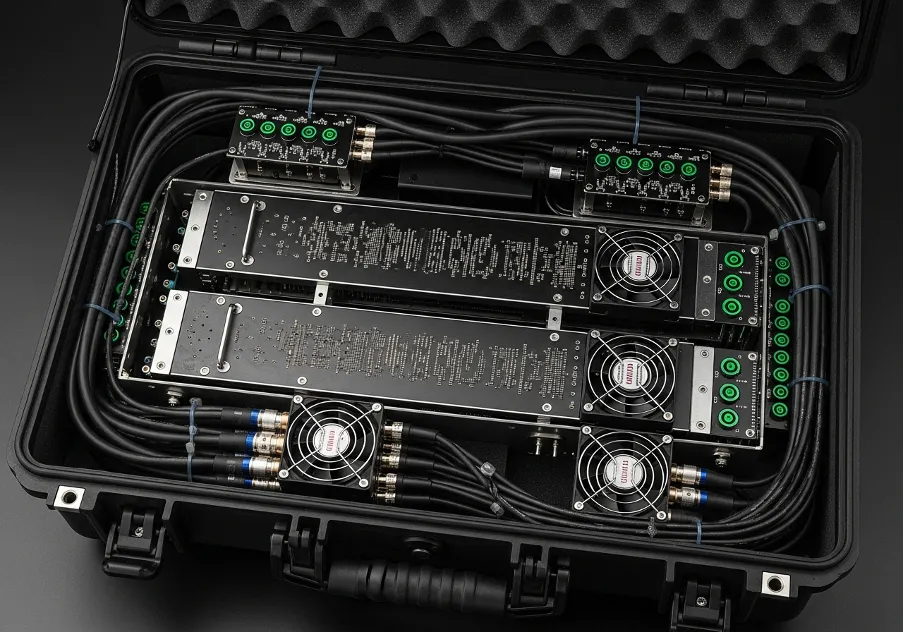
The internal hardware of a modern tactical jammer is designed around a modular subsystem layout. Instead of relying on a static, single-board configuration, the system divides its RF amplification and signal generation among independent modules. This layout ensures that if one frequency band module sustains damage, the remaining sections continue to operate.
All primary components, including the internal power supply, cooling fans, and digital control boards, are integrated inside a heavy-duty transit case. This integration reduces external wiring complexity and minimizes setup errors during high-stress deployments. Ground forces can monitor system status via a simplified exterior control panel or a connected remote control unit.
How to deploy tactical jammers in high-threat zones?
Speed is the primary factor when setting up RF protection during tactical field operations. Security teams often have only minutes to secure a temporary perimeter or establish an entry control point. A well-designed tactical jammer can transition from transport mode to active RF suppression in less than three minutes.
The deployment procedure follows a strict technical sequence:
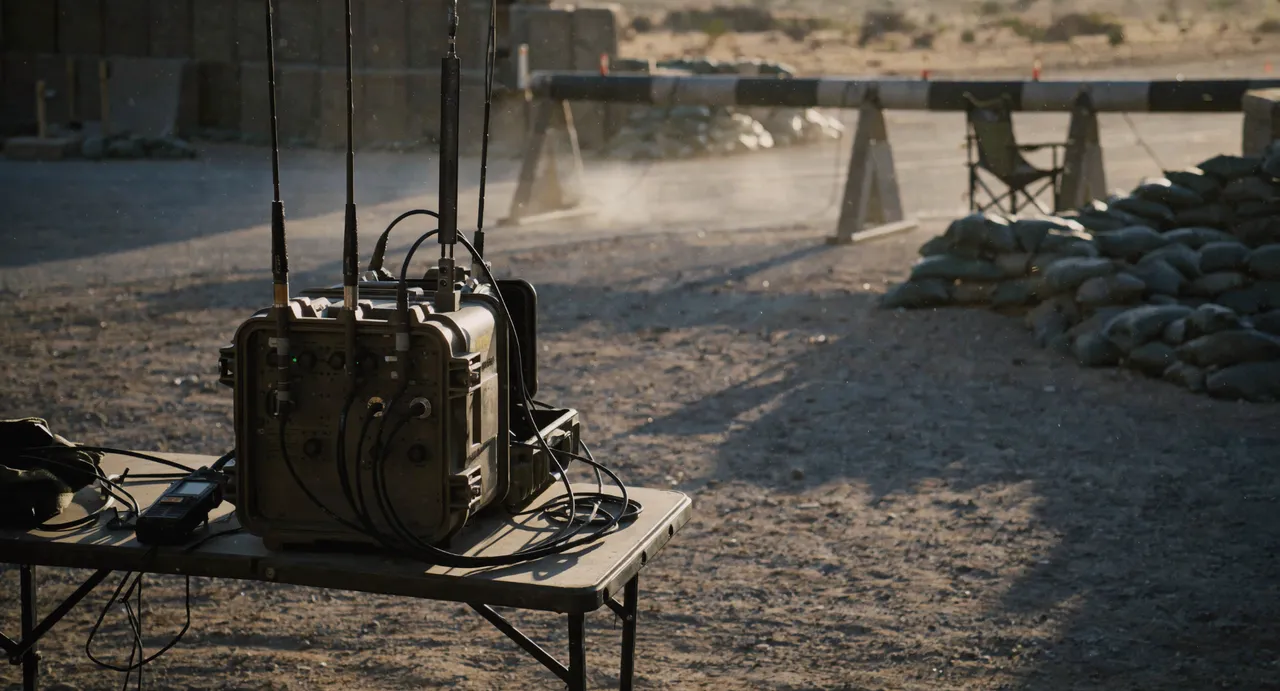
- positioning the rugged transport case on a stable surface;
- mounting the omnidirectional or directional antennas;
- connecting the main power cable to the generator or vehicle outlet;
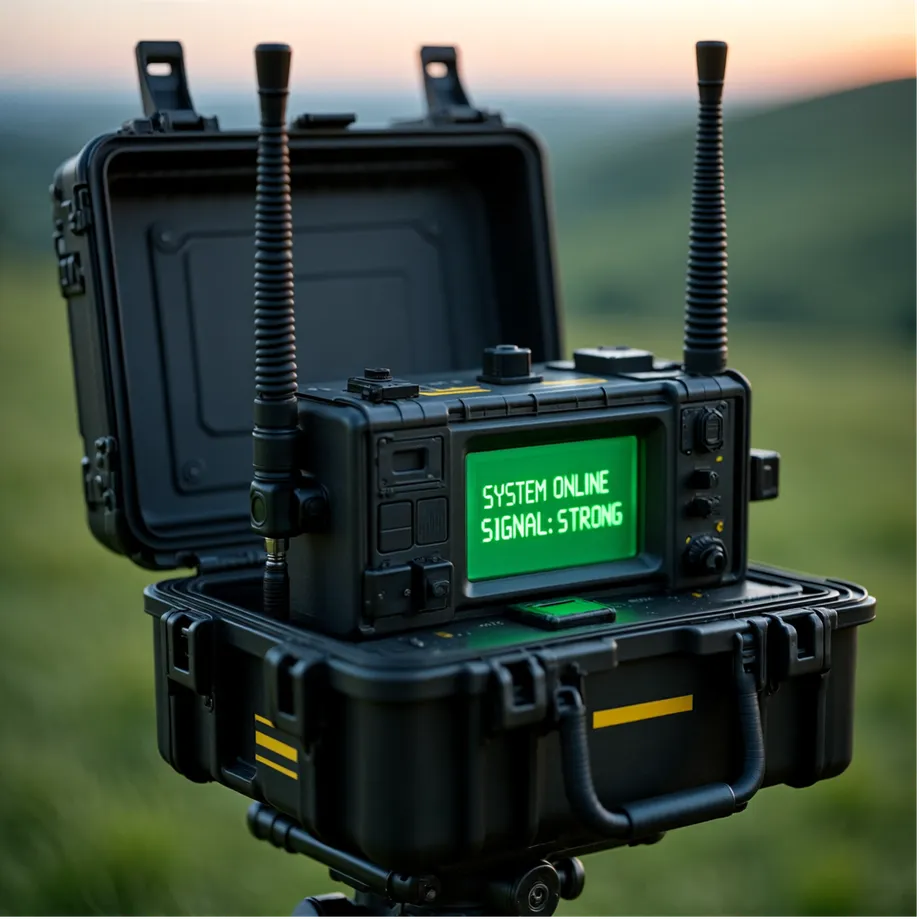
- switching on the RF power modules via the main interface.
Once activated, the system immediately begins sweeps across the designated bands to build a secure perimeter. Operators should position the antenna array away from metallic obstructions to prevent signal reflection. Regular testing of the RF output ensures that the protective barrier remains stable throughout the mission.
Vehicle integration for mobile convoy security
Fixed security is only part of the defensive requirements; mobile patrols need continuous protection during transit. A standard tactical jammer can be rapidly mounted inside a patrol vehicle or transport truck for standalone mobile operations. This setup allows convoys to maintain a moving protective bubble, shielding multiple vehicles in the column.
Power management is critical during mobile integration, as RF transmitters draw substantial current from the vehicle electrical system. Most systems run on standard 24-volt DC power, drawing energy directly from the alternator or dedicated auxiliary batteries. This integration prevents power drops that could leave the convoy vulnerable to remote-controlled explosive triggers.
Environmental limits of ruggedized military enclosures
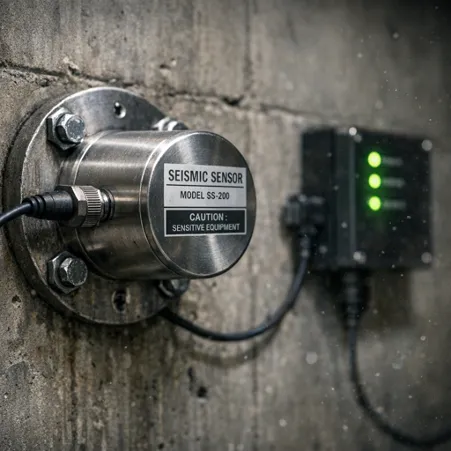
Operational environments on the modern battlefield are rarely ideal, exposing delicate RF electronics to extreme dust, vibration, and moisture. The protective case of a tactical jammer must act as a reliable barrier against these external elements. Specialized shock mounts protect the internal circuit boards from the severe vibrations experienced during off-road vehicle transport.
Effective heat management is equally vital, as high-power RF transmitters generate significant thermal energy. Sealed, IP67-rated enclosures utilize passive external heat sinks to dissipate warmth without exposing internal components to ambient dust. This design guarantees continuous operation even in hot desert climates, ensuring that the critical defense shield remains fully functional during prolonged missions.
Learn more about alternative systems and related products from Prodefence in RF JAMMING.















































































































Trusted Worldwide
Operating in more than 50 countries, we provide cutting-edge defense solutions that ensure your safety to every corner of the globe.
Get Advice From Our Experts
Please complete the feedback form to gain exclusive access to our catalog showcasing models that are not available on our website
We’re here to assist you with any inquiries, support, or information you need. Whether you're interested in our defense products, looking to collaborate, or simply have a question, our team is ready to help.